

PHOTO
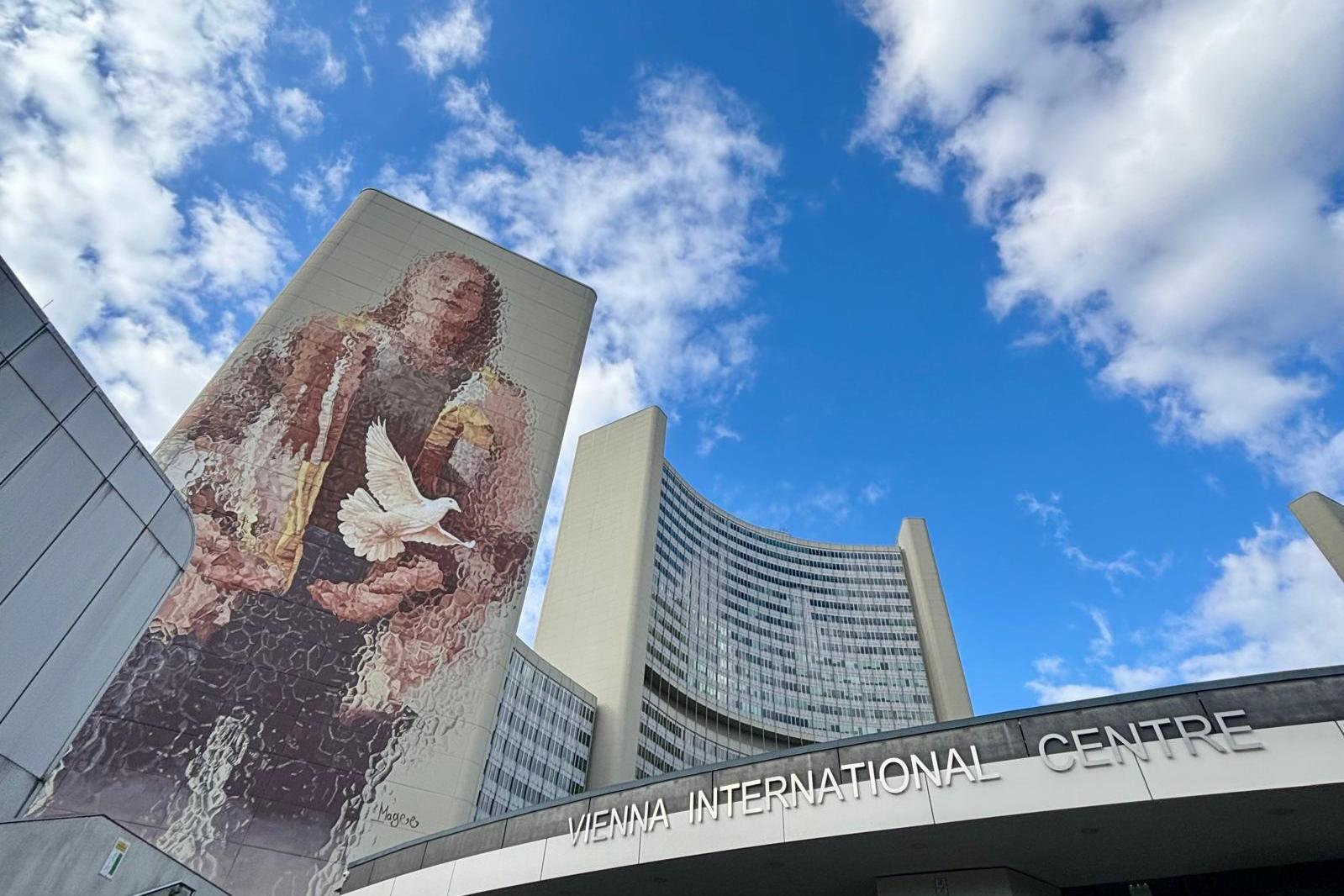
At the UN’s impressive headquarters, as part of the conference taking place, the FIGC was invited to join the panel “Clubs, Stadiums, Federations: Football for all”, where it outlined the pathway developed within its Sustainability Strategy, with a particular focus on inclusion and accessibility.
The panel, moderated by Nobuko Hibino Tanaka of Toin University of Yokohama, featured contributions from Cristina Blasetti (FIGC sustainability manager), Dominique Blanc (global advocate, accessibAll), María Castelló Talavera and Nikolas Karner.
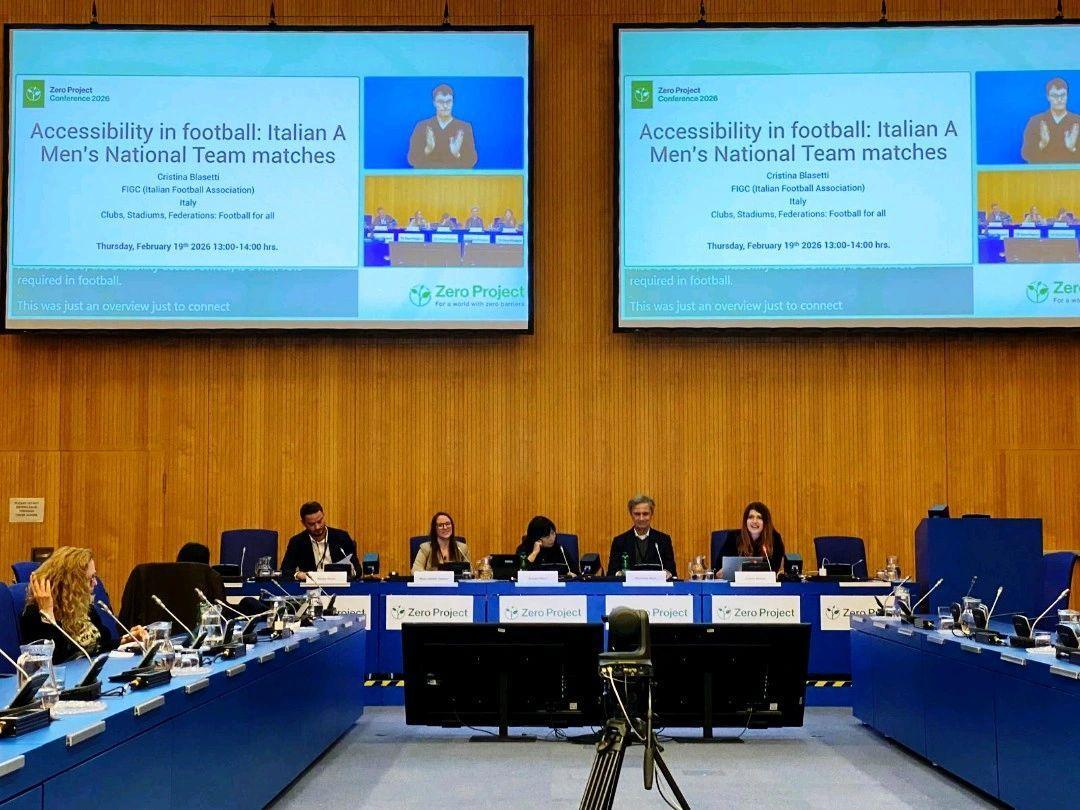
The model presented by the FIGC, titled “Accessibility in football: Italian A Men’s National Team matches”, focuses on the accessibility and inclusion format currently implemented at the home fixtures of the senior men’s national team. Developed in line with UEFA’s “Football for all abilities” policy and the FIGC Sustainability Strategy, the project aims to deliver an inclusive matchday experience for all fans and to inspire change across every level of the football system.
The model includes several key initiatives: an audio-description service for blind and visually impaired supporters via a dedicated app; the creation of a Quiet Room within stadiums for fans with autism or sensory sensitivities; the involvement of disabled staff in hospitality catering; and the selection of player escorts from local hospitals or non-profit organisations.
The strength of the FIGC’s strategic approach lies in elements aligned with UEFA guidelines, making the project a benchmark for stakeholders across football thanks to its tangible impact:
-
Trickle-down effect: the format generates a multiplier effect across the entire football system and among all stakeholders;
-
Replicability: the model can be implemented anywhere, turning any venue into a platform for sustainability and inclusion;
-
Scalability: the format can be adapted to different contexts, adjusting the scope of actions accordingly.
The annual Zero Conference 2026, which brought together more than 1,400 participants from around 100 countries, represents a global hub for innovation and dialogue in support of disability inclusion.