

PHOTO
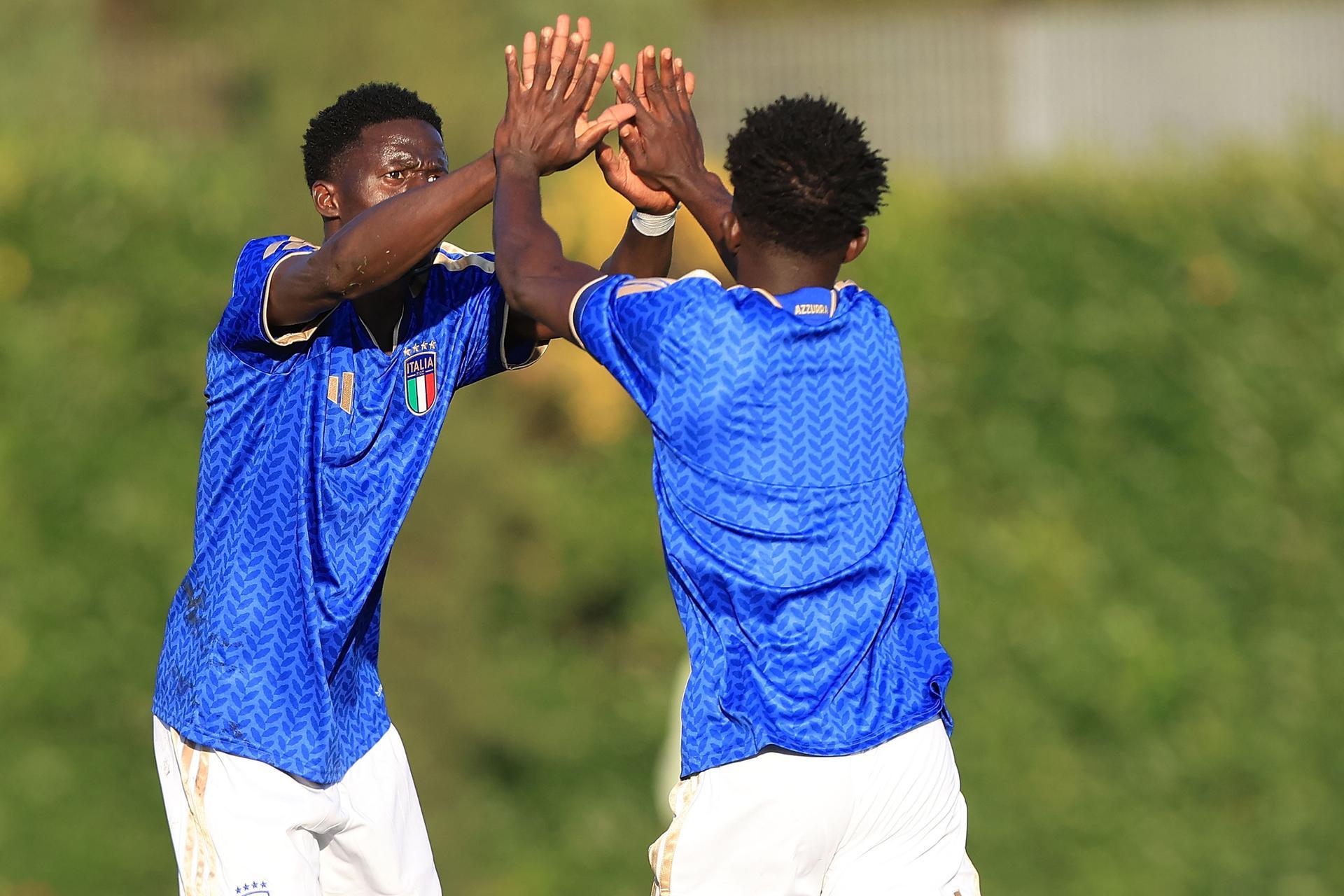
Two days of football, celebration and games, but also discussion to present the results achieved: Coverciano will host the final event of ‘Belong’ until tomorrow. The European project promotes the social integration of refugee and asylum-seeking teenagers, with the FIGC leading the initiative in close collaboration with three NGOs (Solidarietà Caritas Onlus Firenze; Consorzio Gruppo CEIS Modena; Il Ponte Civitavecchia Onlus) and the University of Modena and Reggio Emilia (Unimore).
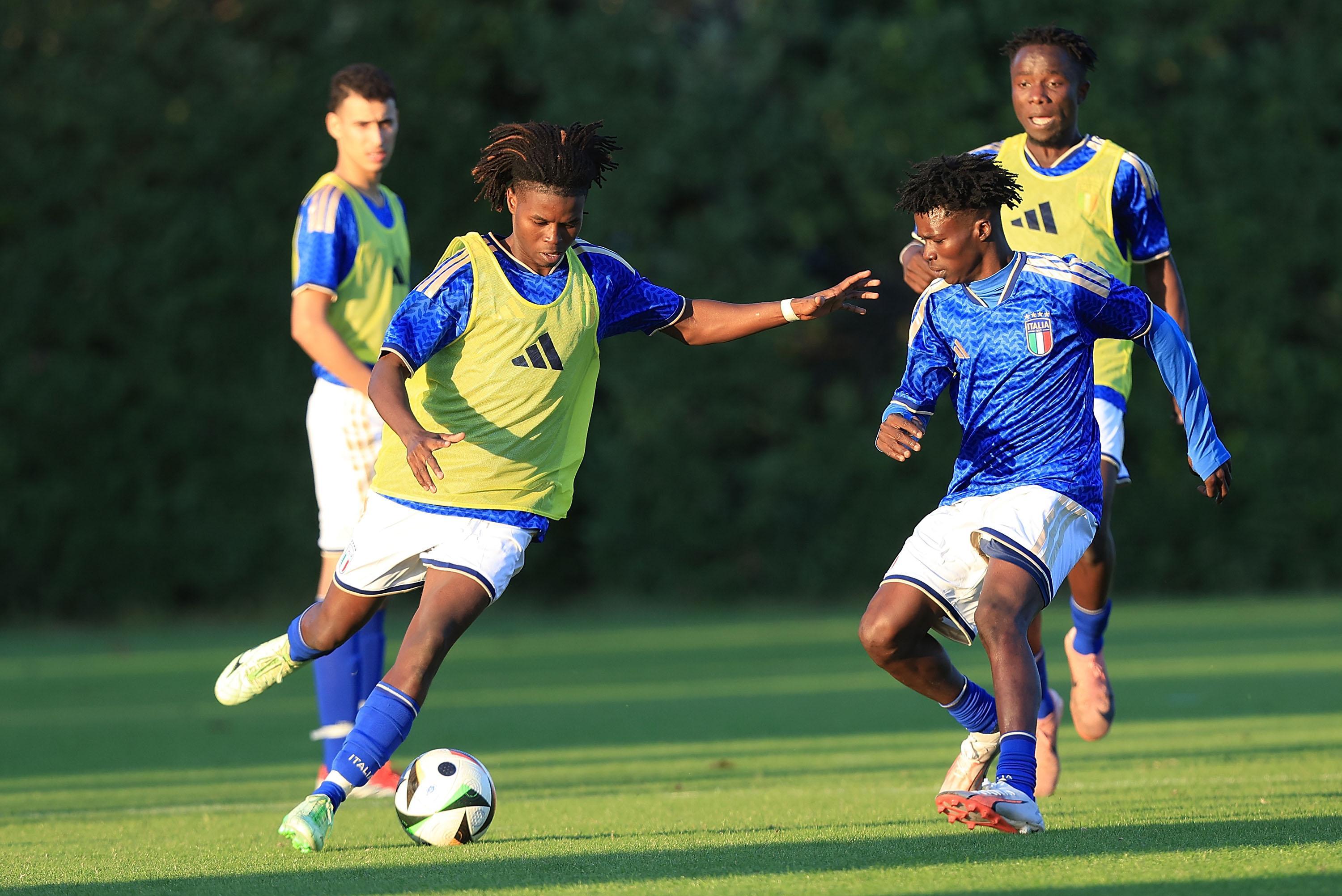
On a beautiful autumn day under clear skies, the young people involved in the project took to the pitches at the Federal Technical Centre today, competing in football matches between the six teams in attendance. There was no league table, just a desire to get to know one another and have fun, as had been the case throughout the Belong project. In short, they simply wanted to play football and embrace the essence of the game, which had been the indispensable thread running through the entire project. In the afternoon, they visited the Football Museum to discover memorabilia telling the story of the Azzurri over more than a century. Tomorrow, there will be more matches on the same pitches used by the men's and women's national teams, before the final report and the presentation of the awards.
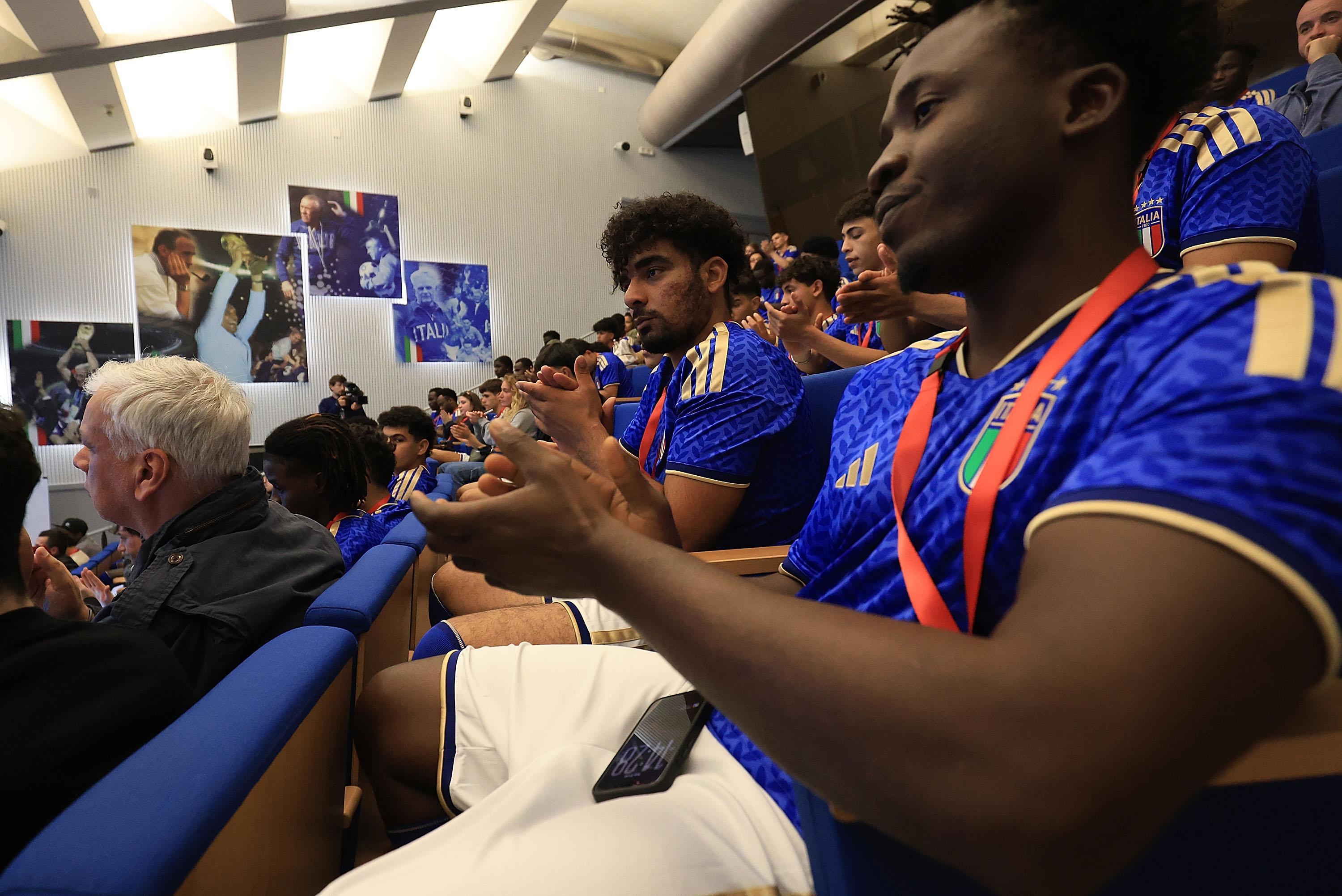
“We welcome the young people here to play: you are in the home of Italian football,” said Italian Coaches’ Association president Renzo Ulivieri during the opening of the event. He continued: “There is a lot of talk about the challenge of integration, but it is also essential to understand and appreciate those who come here.”
The floor was then given to Vito Di Gioia, secretary of the Youth and School Sector, the FIGC body that made the project possible, in a packed lecture hall filled with the young participants and the coaches involved: “Italian football is a national treasure and belongs to everyone, including those from different backgrounds. This sport is an exceptional tool for education and development, and this project grew out of a concrete experience of our own, such as that of the SGS. We are not just chasing numbers: football delivers real results and brings people together.”
Barbara Moschini, the FIGC’s senior expert on EU projects, recalled the themes of the various European projects the Federation has undertaken in recent years, from fans and environmental sustainability in football to the inclusion of young people at risk of radicalization and efforts to combat gender-based violence.
“For our university,” said Loris Vezzali, a professor at Unimore and social psychologist, “it is an honour to work with the FIGC on these issues. We believe sport can be educational, and for us it is an extraordinary channel for integration through an active approach.”
But what results emerged from the project? “The main aspect,” Vezzali explained, having overseen the work plan alongside Veronica Margherita Cocco, associate professor at Unimore, and Soraya Shamloo, associate professor at UniPegaso, “concerns the methodology and how we sought to combine different approaches, incorporating educational elements connected not only to activities on the pitch. The young people received instruction in workshops and through the NGOs, focusing mainly on civic education, but also on the pitch, through football and psychological activities aimed at integration. It was a more comprehensive experience, designed to ensure that civic education was understood as part of an integration process also built around the game. Around 100 young people were involved over several months, supported by federal coaches and educators.”