PHOTO
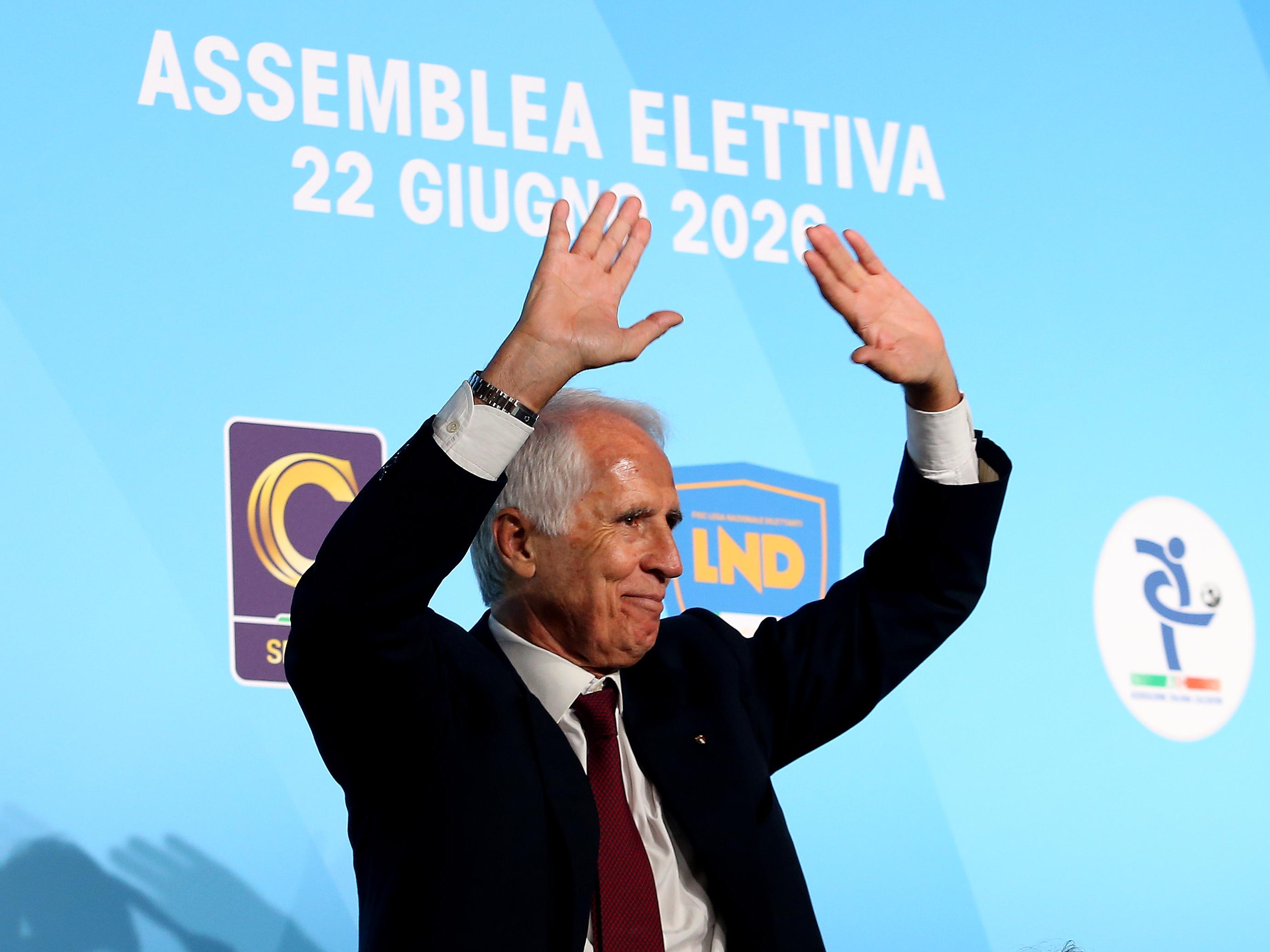
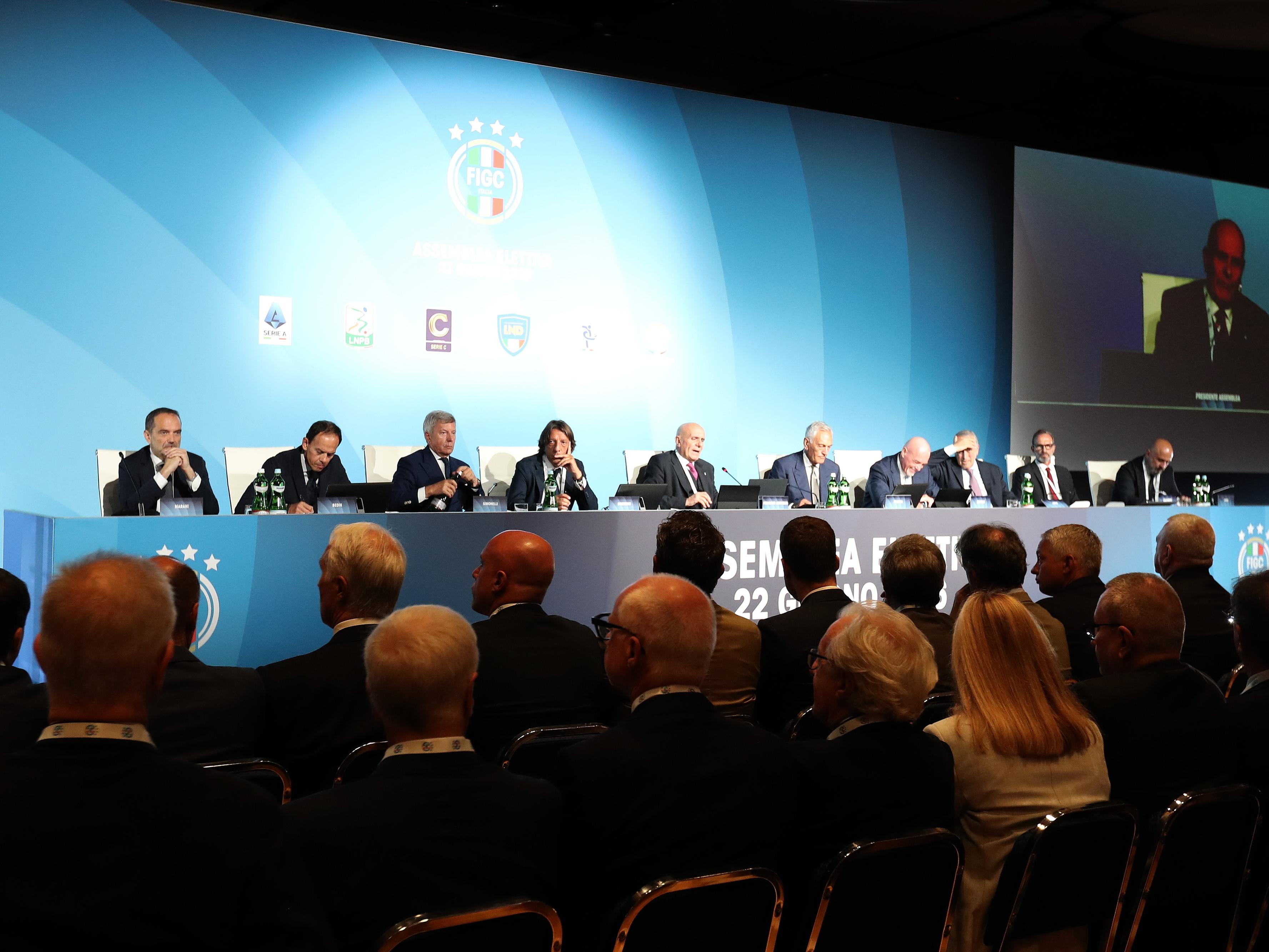
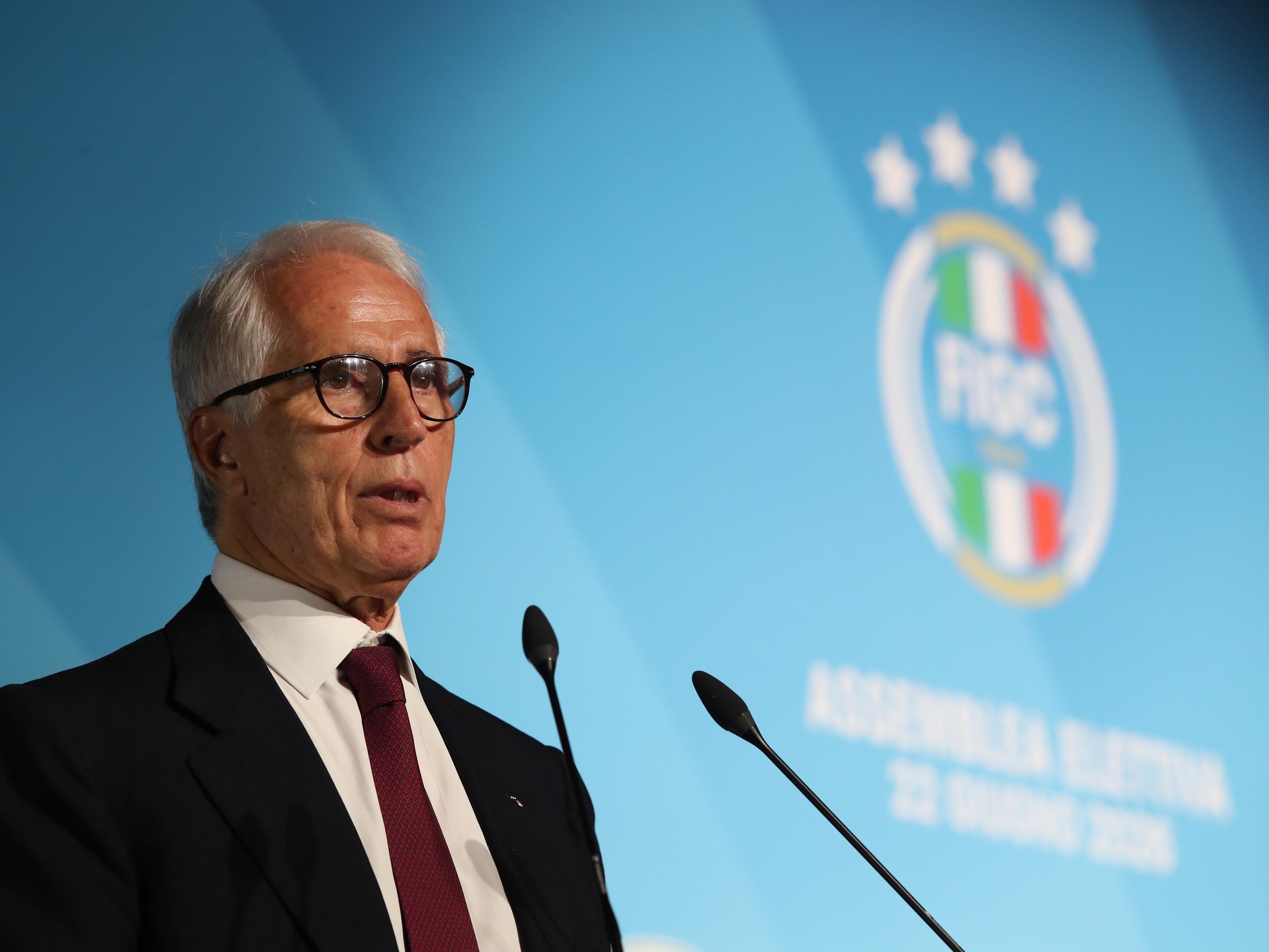
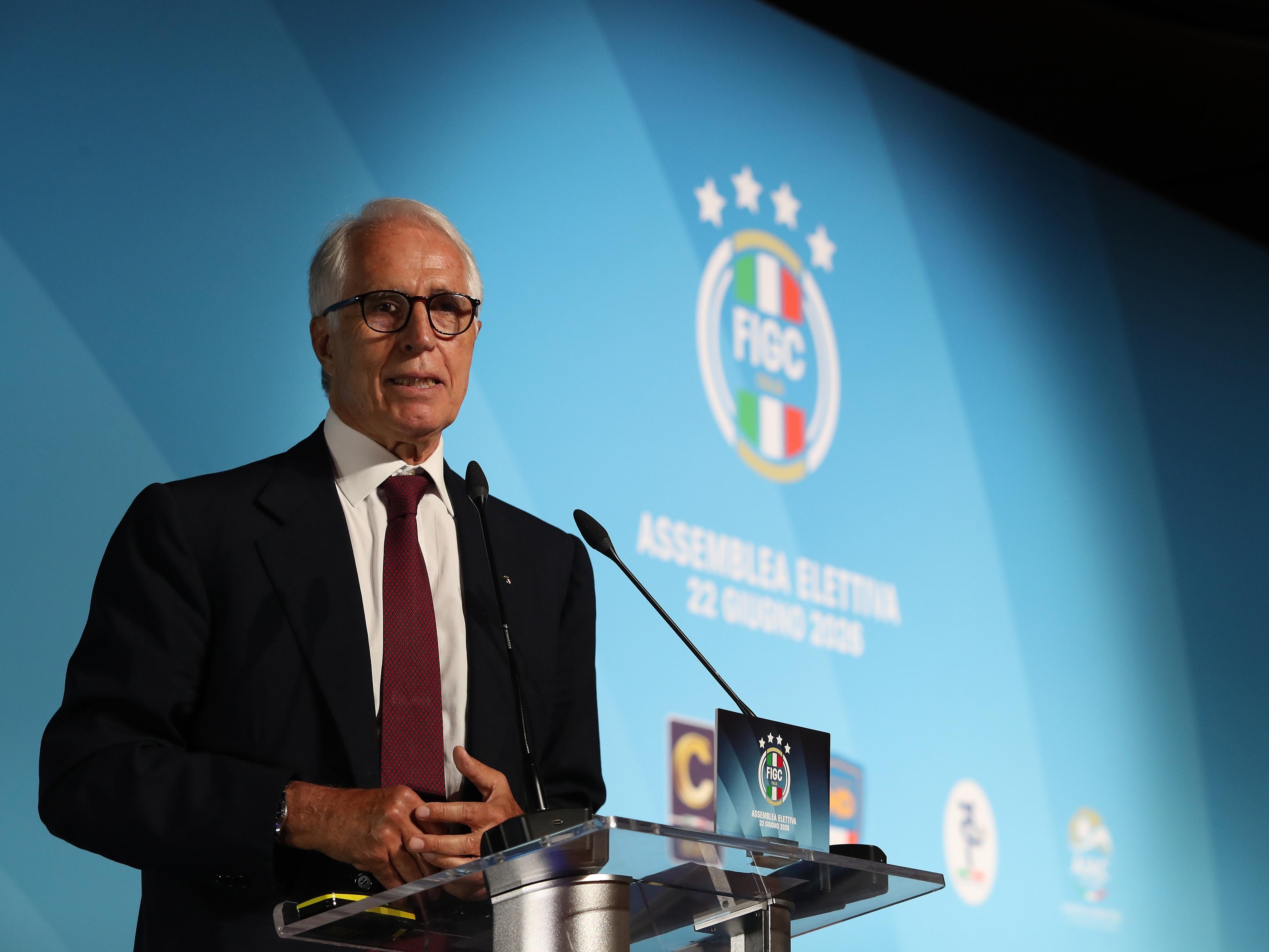
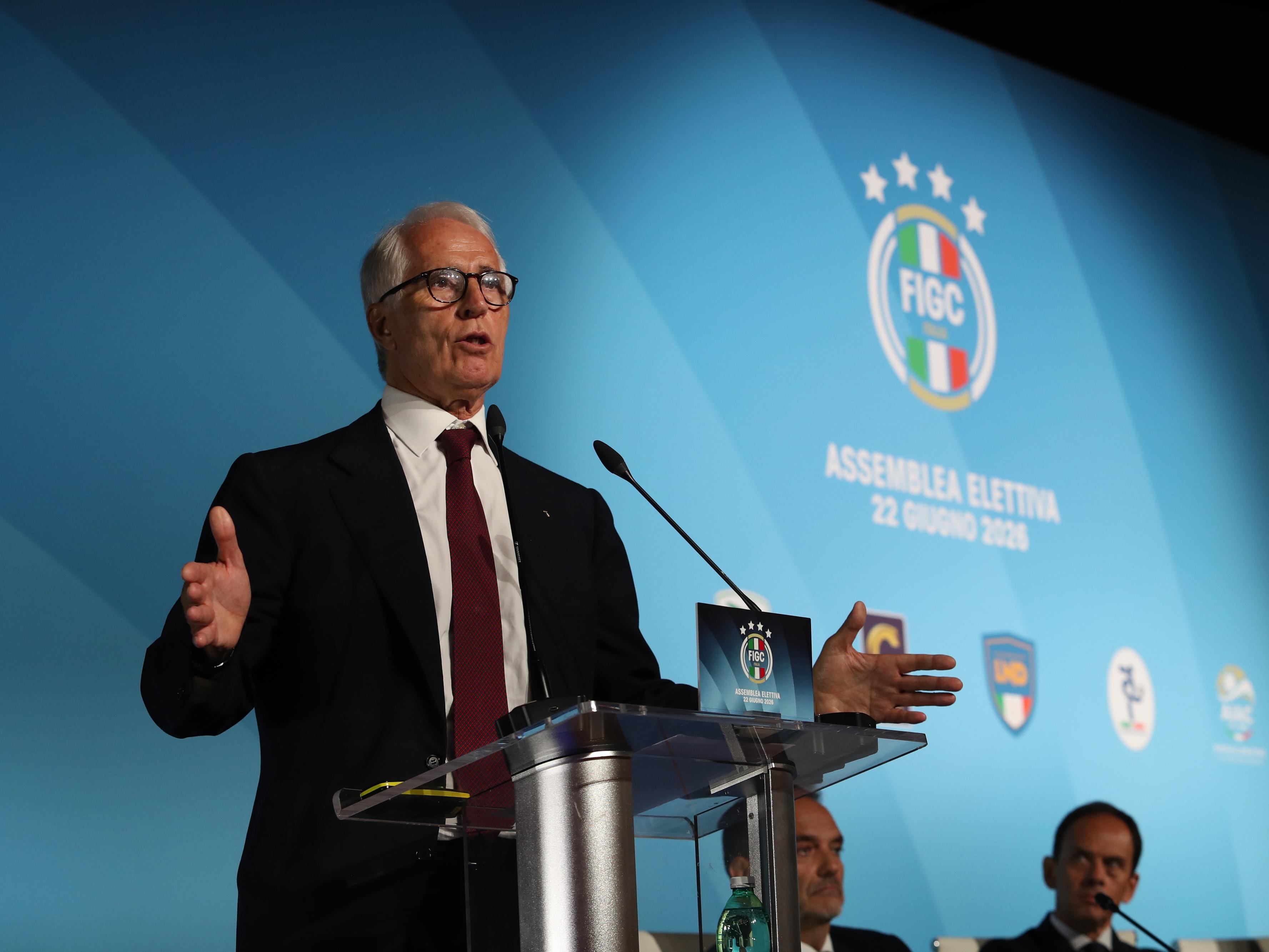
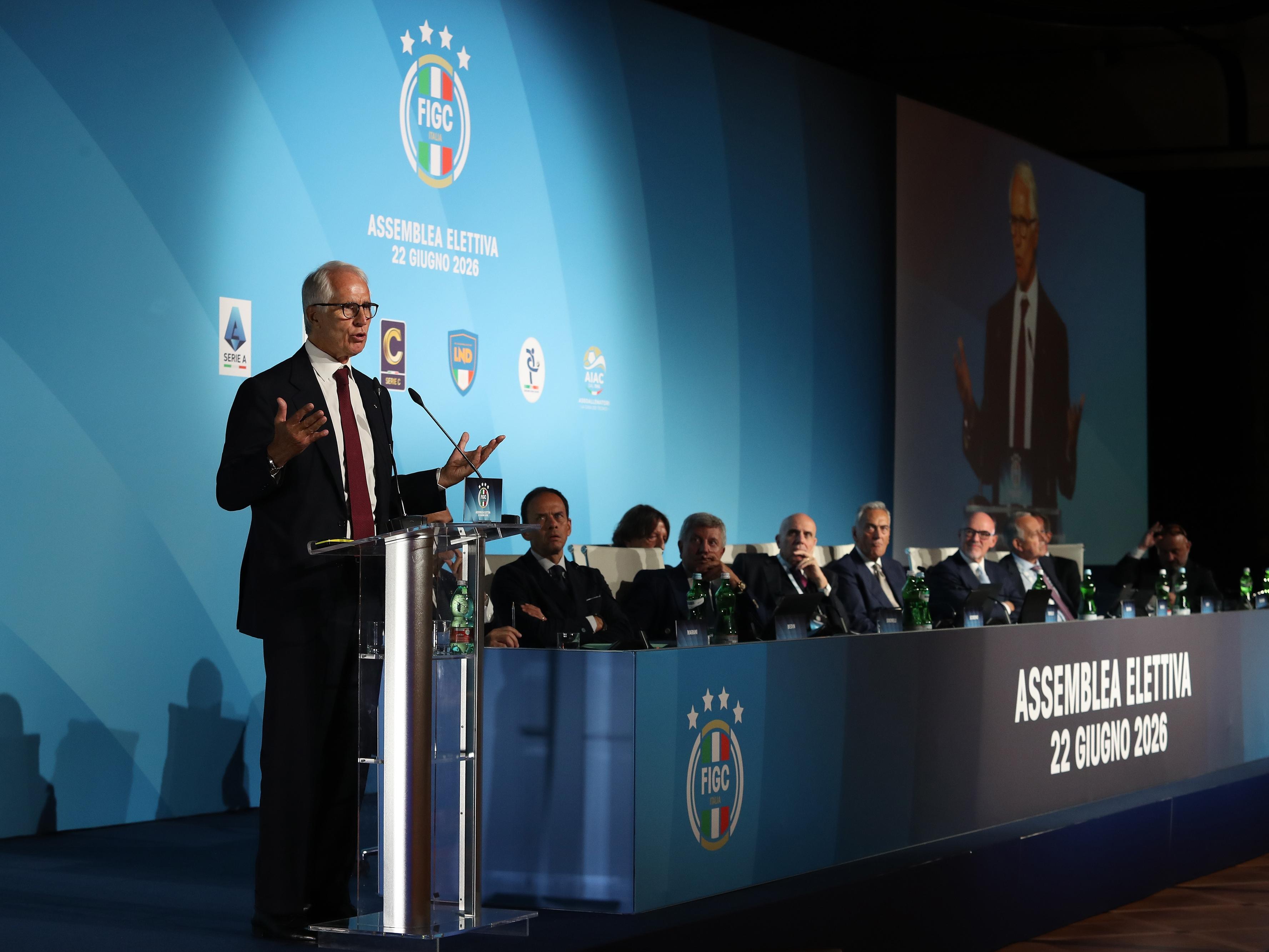
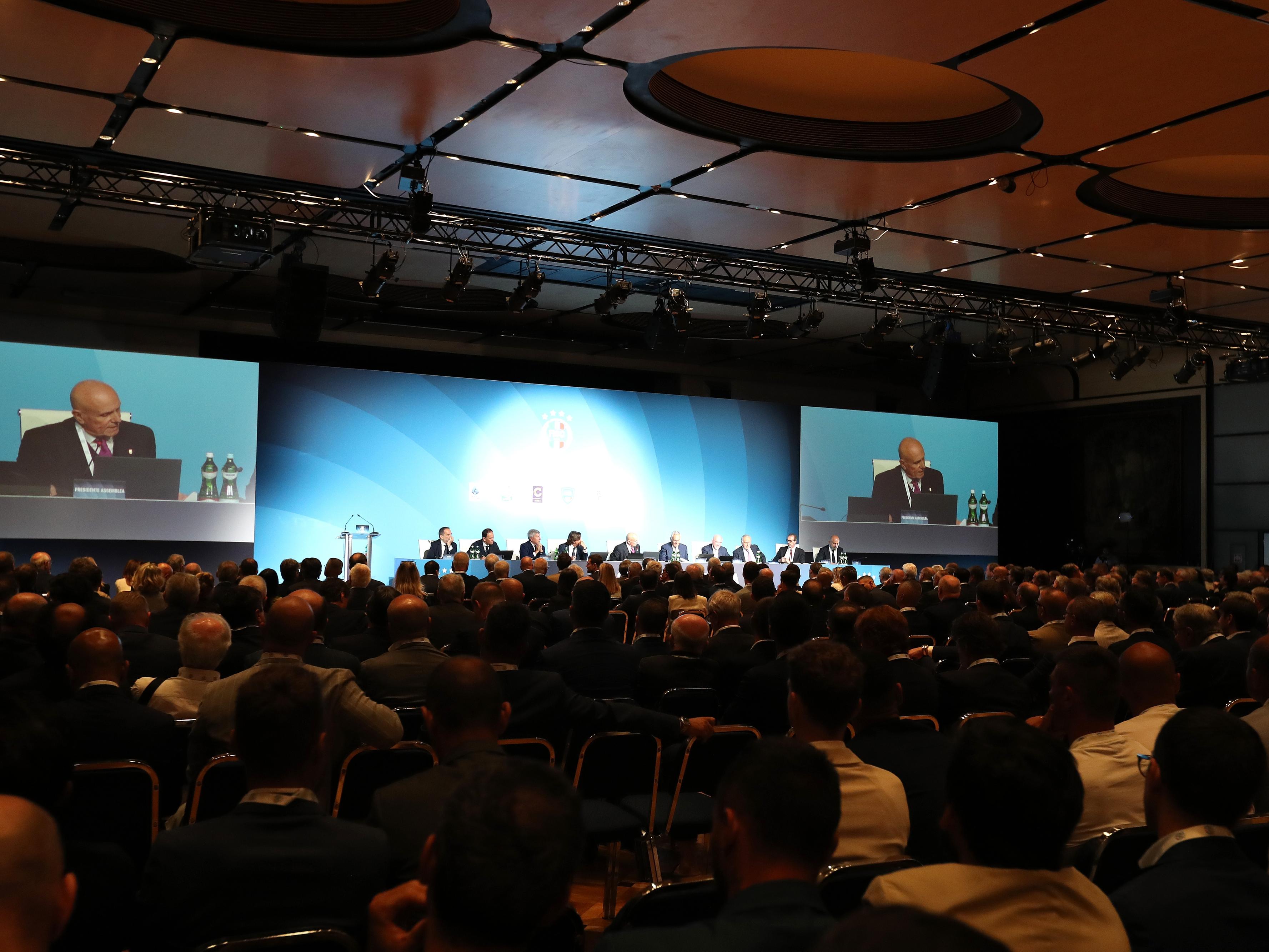
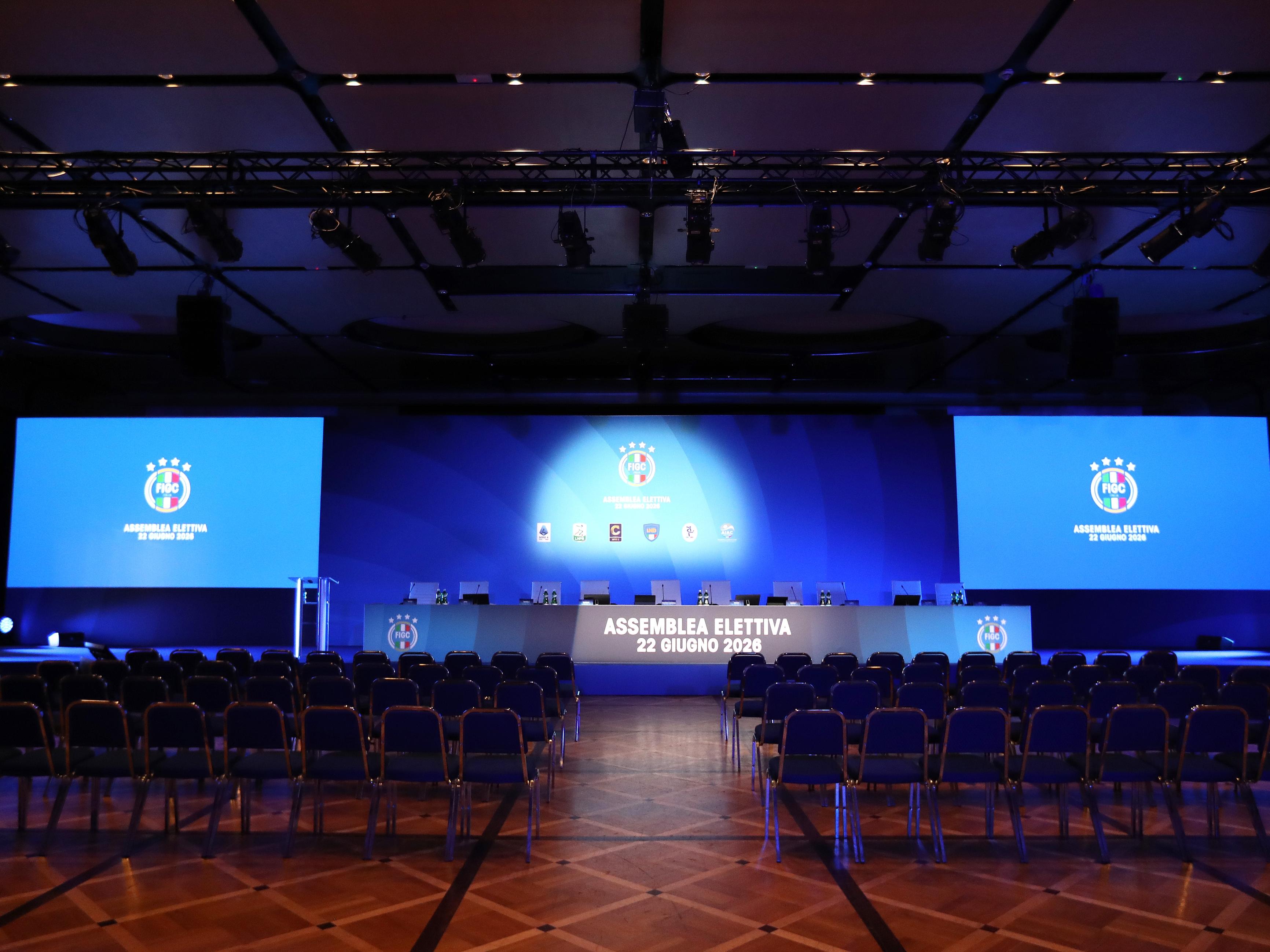
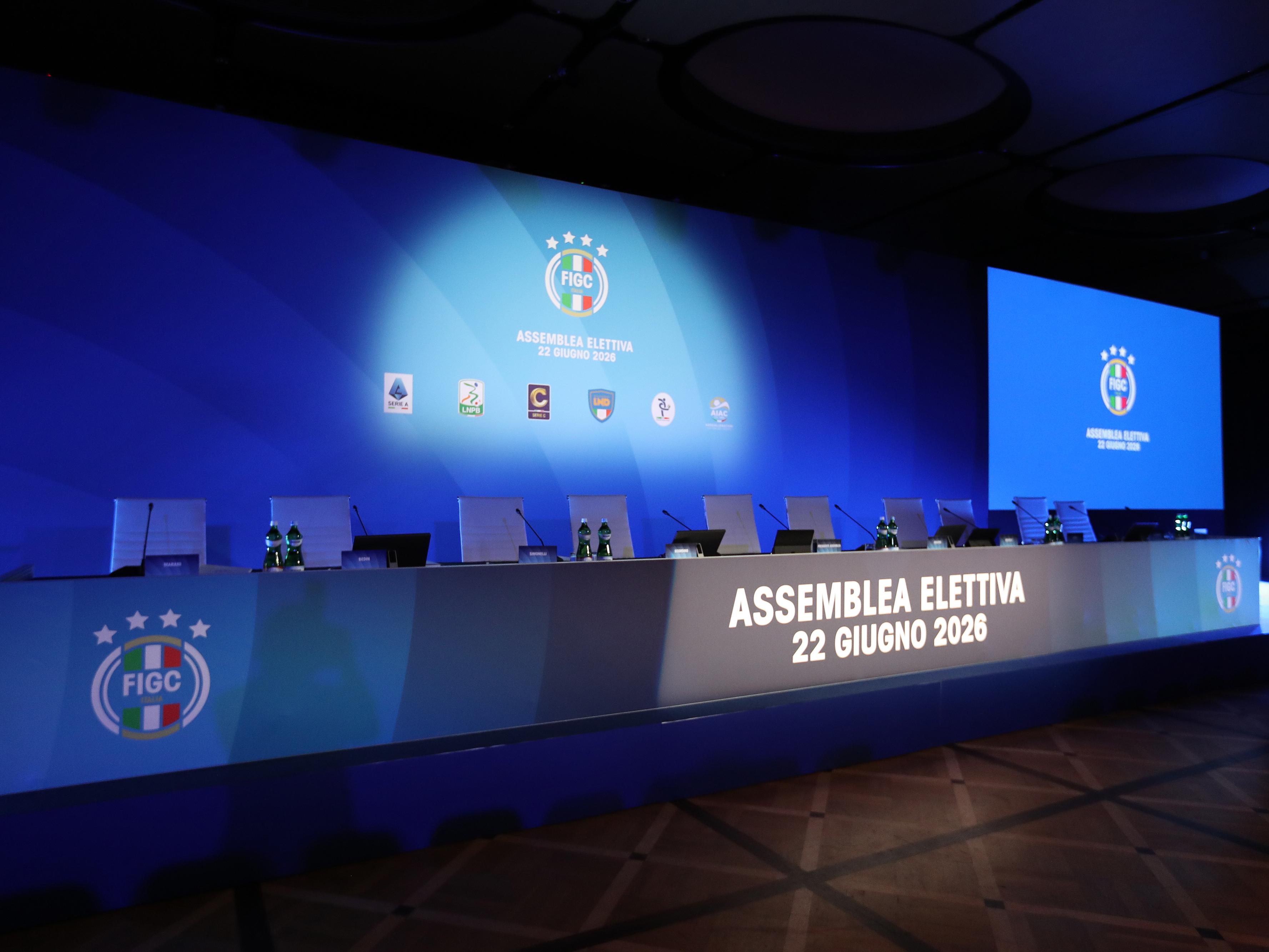
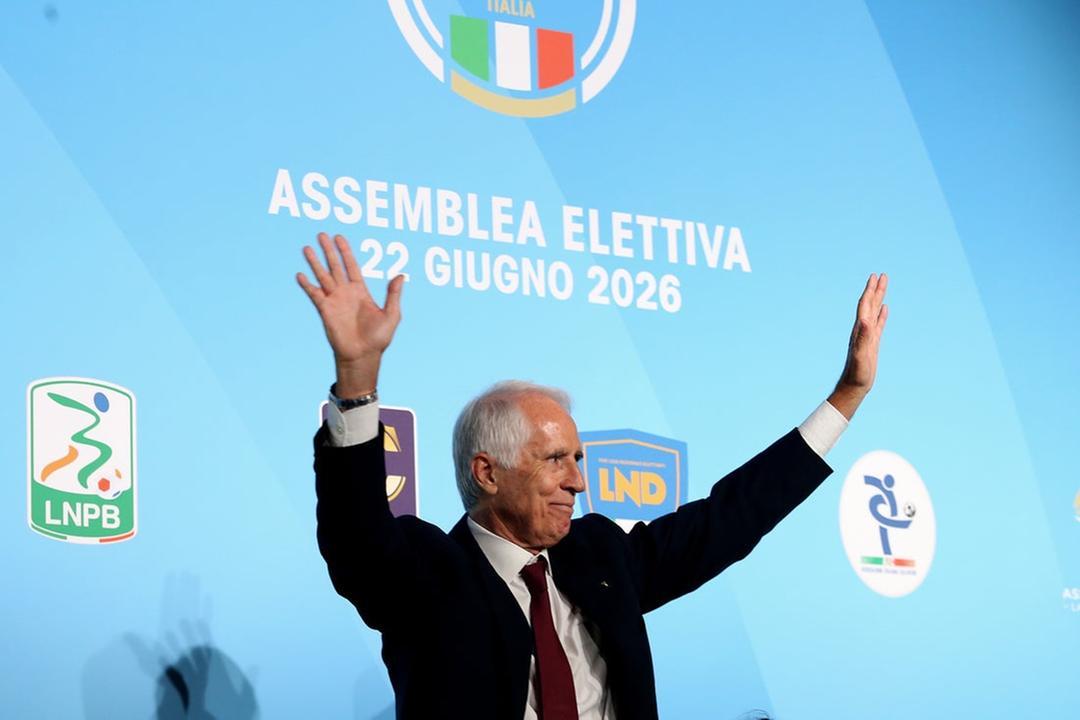
Giovanni Malagò is the new FIGC President. Elected on the first ballot with 68.58% of the vote (343,084 votes), the former CONI President defeated Giancarlo Abete (29.17%, 145,936 votes, with 2.25% blank ballots) in the two-horse race for the Federation's presidency. He succeeds Gabriele Gravina, who has led the FIGC for the past eight years. The result was confirmed at today's Electoral Assembly at the Rome Cavalieri, A Waldorf Astoria Hotel, where the 266 delegates present wrote a new chapter in the history of Italian football with their votes. "On my own I can't do anything," Malagò said after being declared elected. "With you, I can do everything."
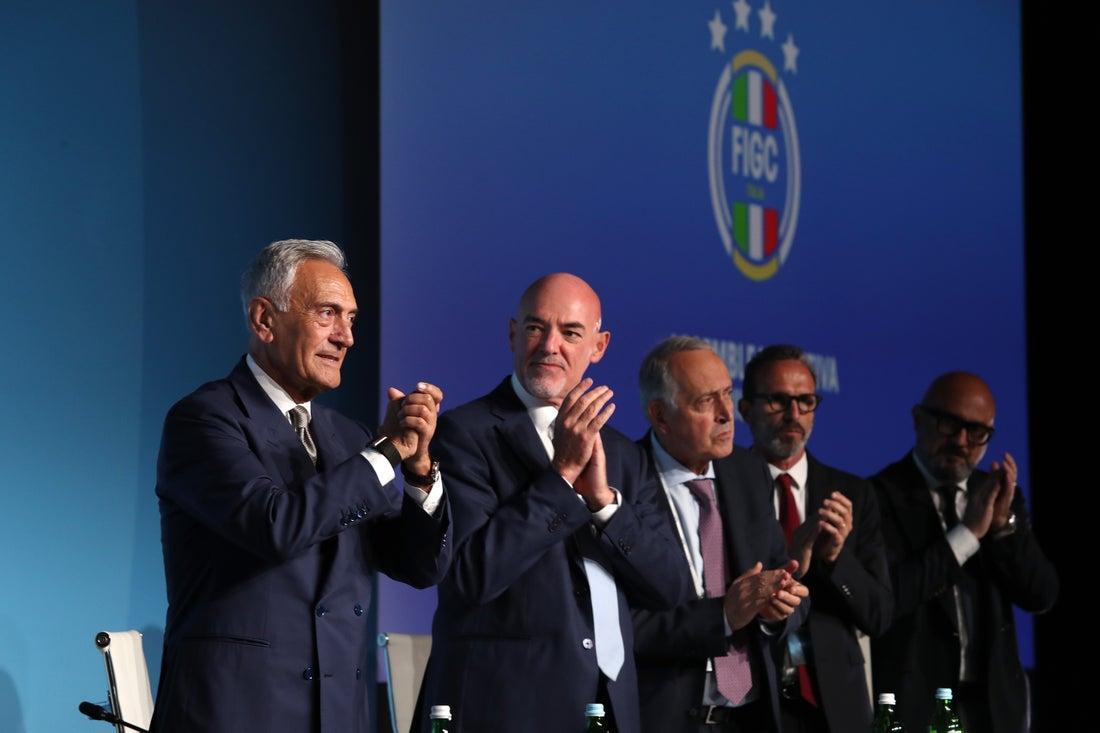
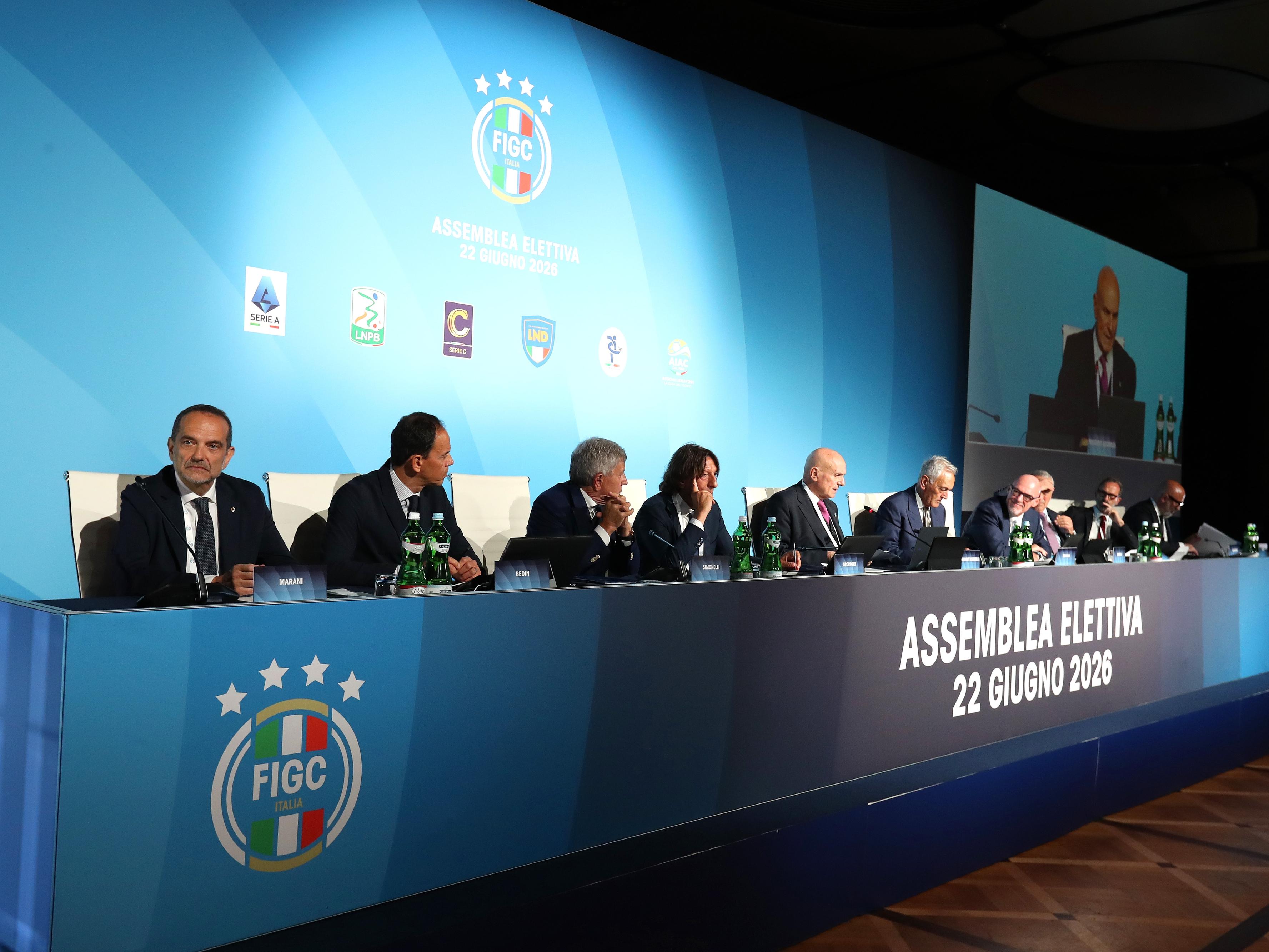
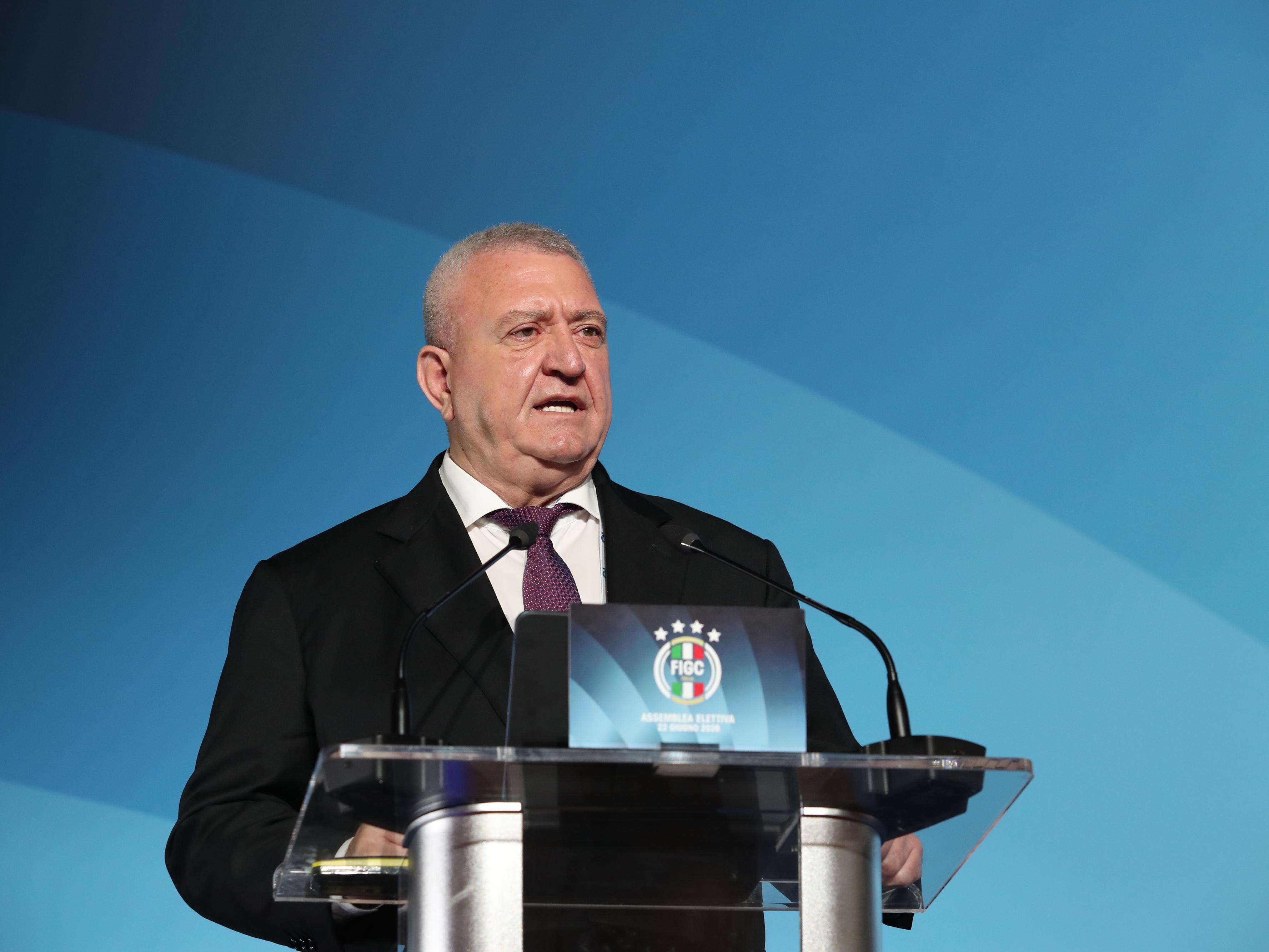
GRAVINA'S FAREWELL. Chaired by Federal Court of Appeal President Mario Luigi Torsello, the Assembly opened with remarks from UEFA Vice-President Armand Duka, who conveyed the greetings of UEFA President Aleksander Čeferin. After wishing both candidates well, Duka also paid tribute to Gravina and his work.
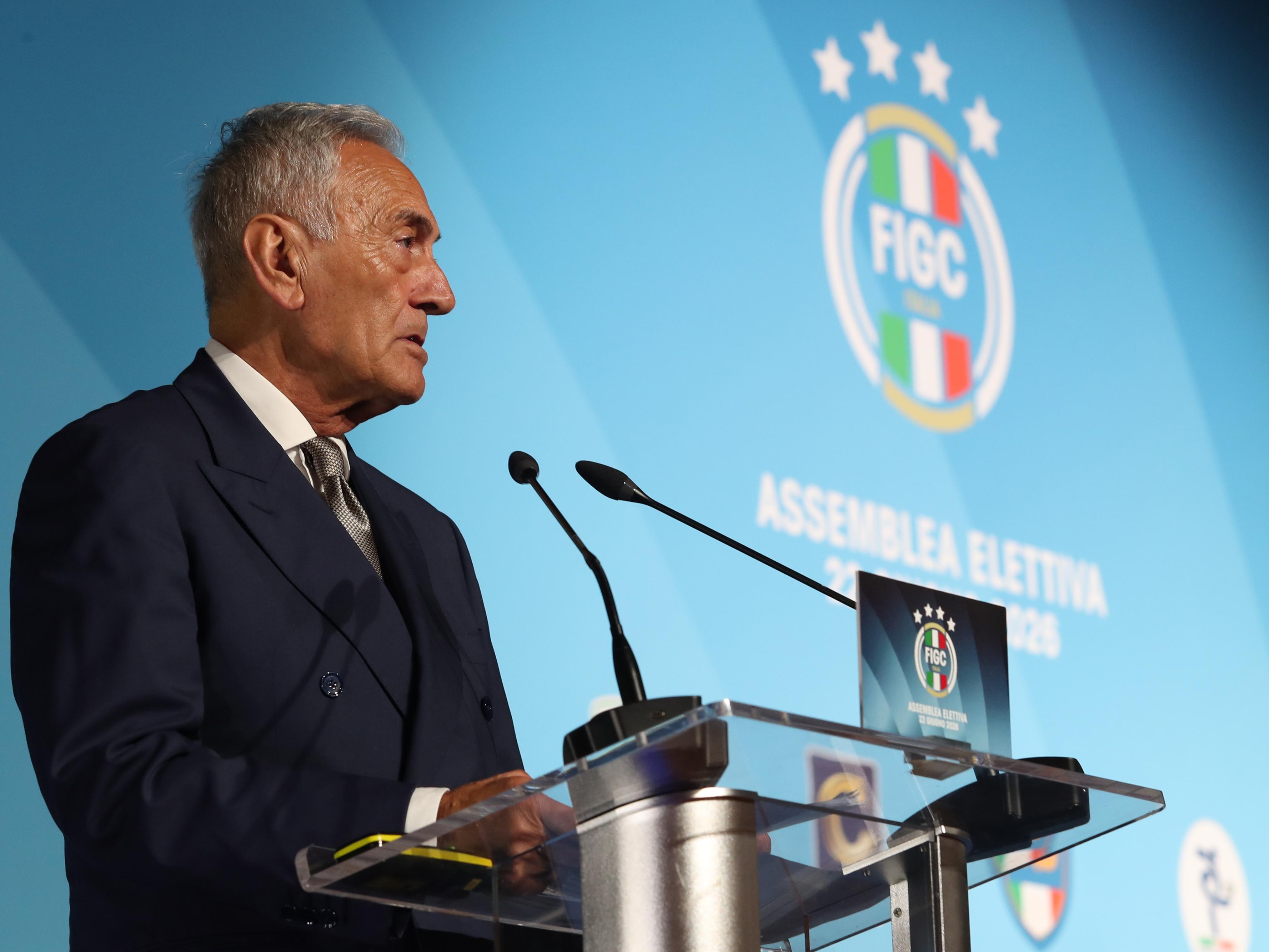
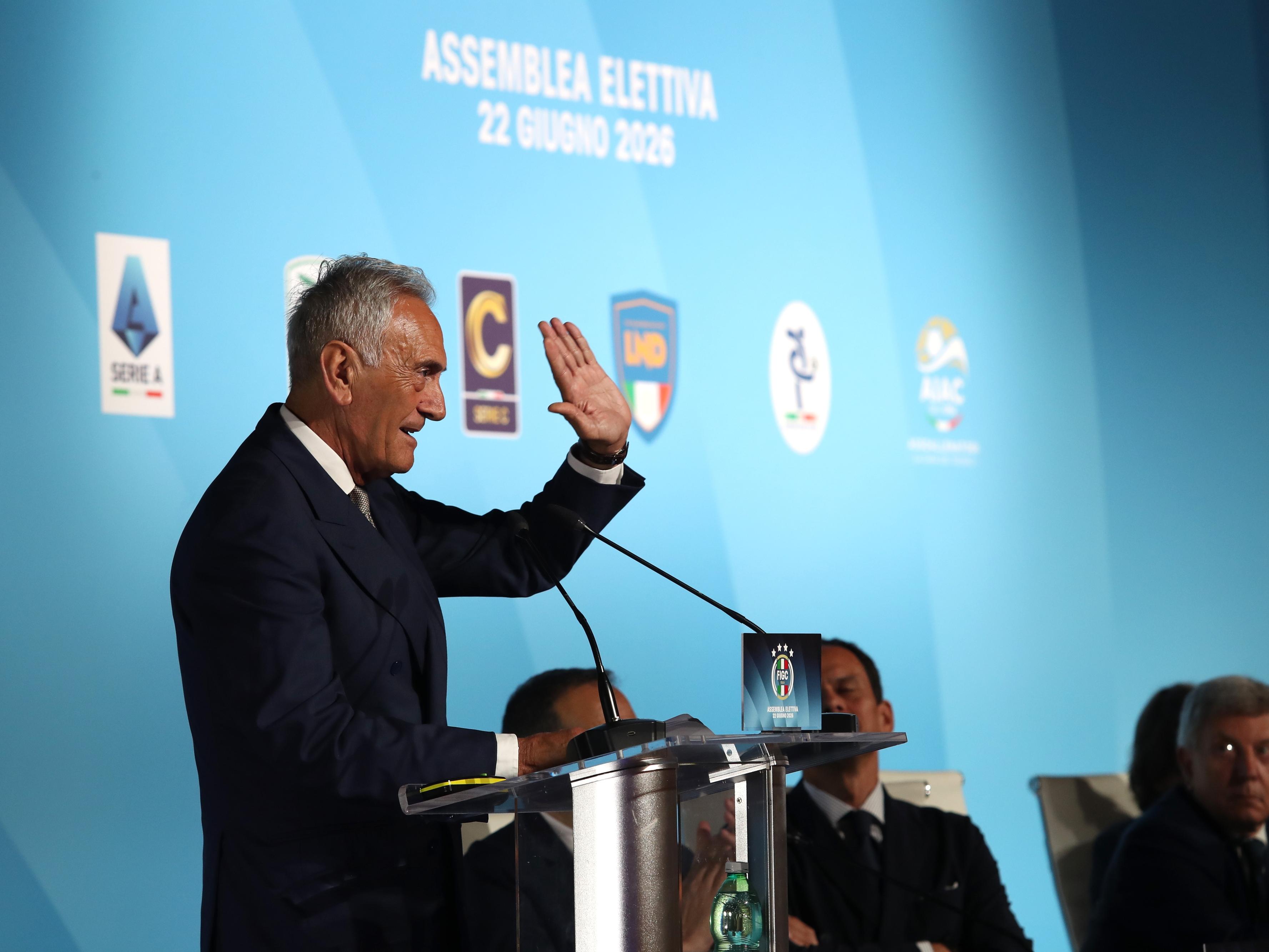
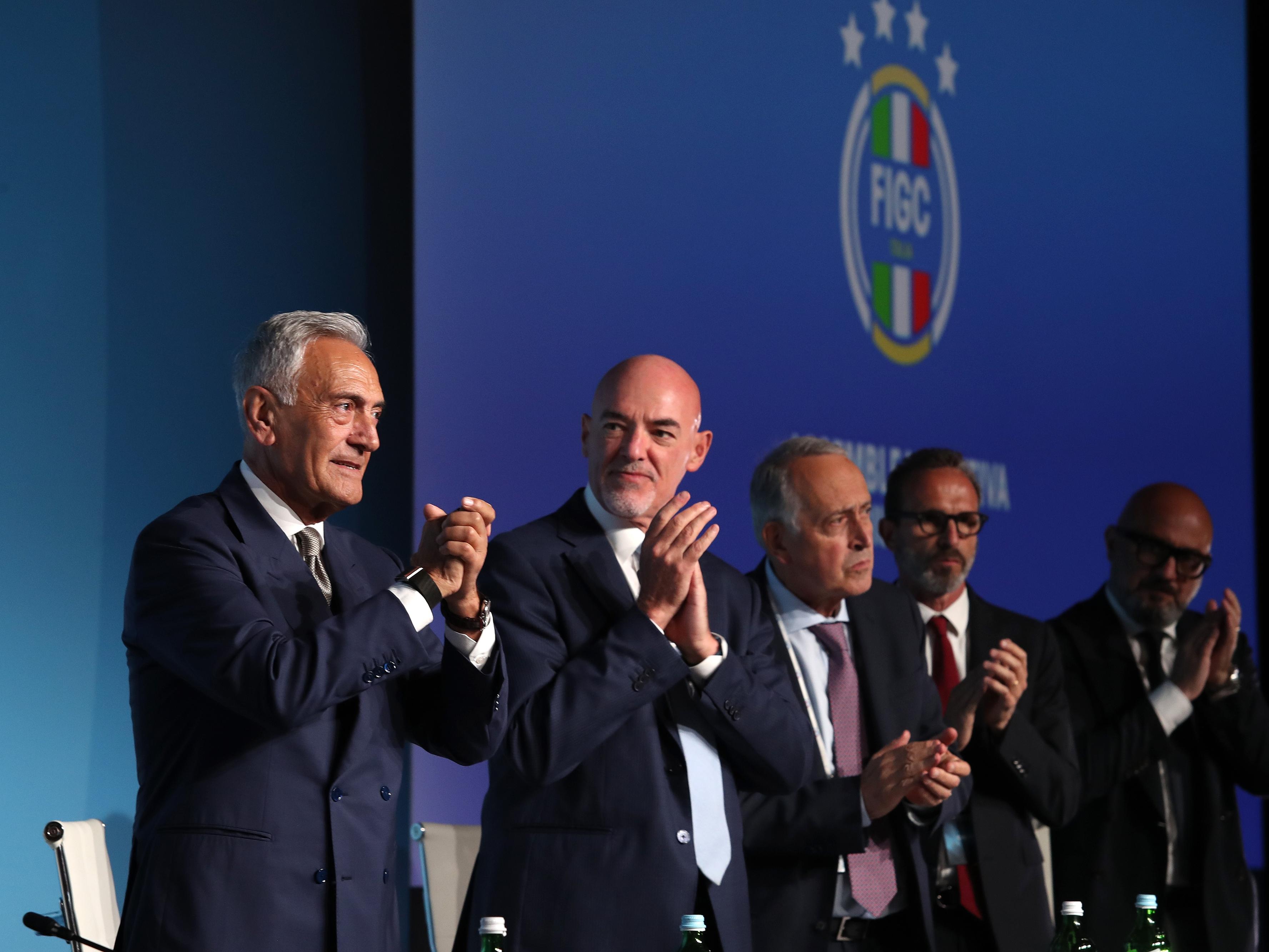
"I decided to hand back my mandate because the growing focus on individuals had come to dominate our system, and I felt a strong responsibility to prevent the Federation from being dragged into a spiral that would have deeply damaged and divided it," the outgoing President said. "Stepping aside today is meant to encourage reflection, reassess relationships and positions, and strengthen our path of renewal." During his speech, Gravina highlighted UEFA's awarding of the Maurice Burlaz Trophy, as well as the many achievements during his tenure, from Italy's EURO 2021 triumph to the UEFA European Under-19 and Under-17 Championship titles, alongside the FIGC's renewed influence within European football.
"I experienced the failures to qualify for the World Cup and the slow progress on reform with great bitterness," he added, openly acknowledging that Italian football is facing a cultural crisis even before an economic one. "We got the timing of our decisions wrong, rushing those focused on the future while delaying the structural ones. But the problems of Italian football won't be solved simply by changing the Federation's President. They require bold league reform, serious investment in youth development, political institutions willing to be partners rather than stakeholders, and all those within the Federation putting the common good first. I leave the Federation with a clear conscience, knowing I gave everything, even if I made mistakes, but never once stepped back." He concluded by addressing the delegates, who gave him a standing ovation following his final speech as FIGC President. "Take care of football, because it is a fundamental part of our lives."
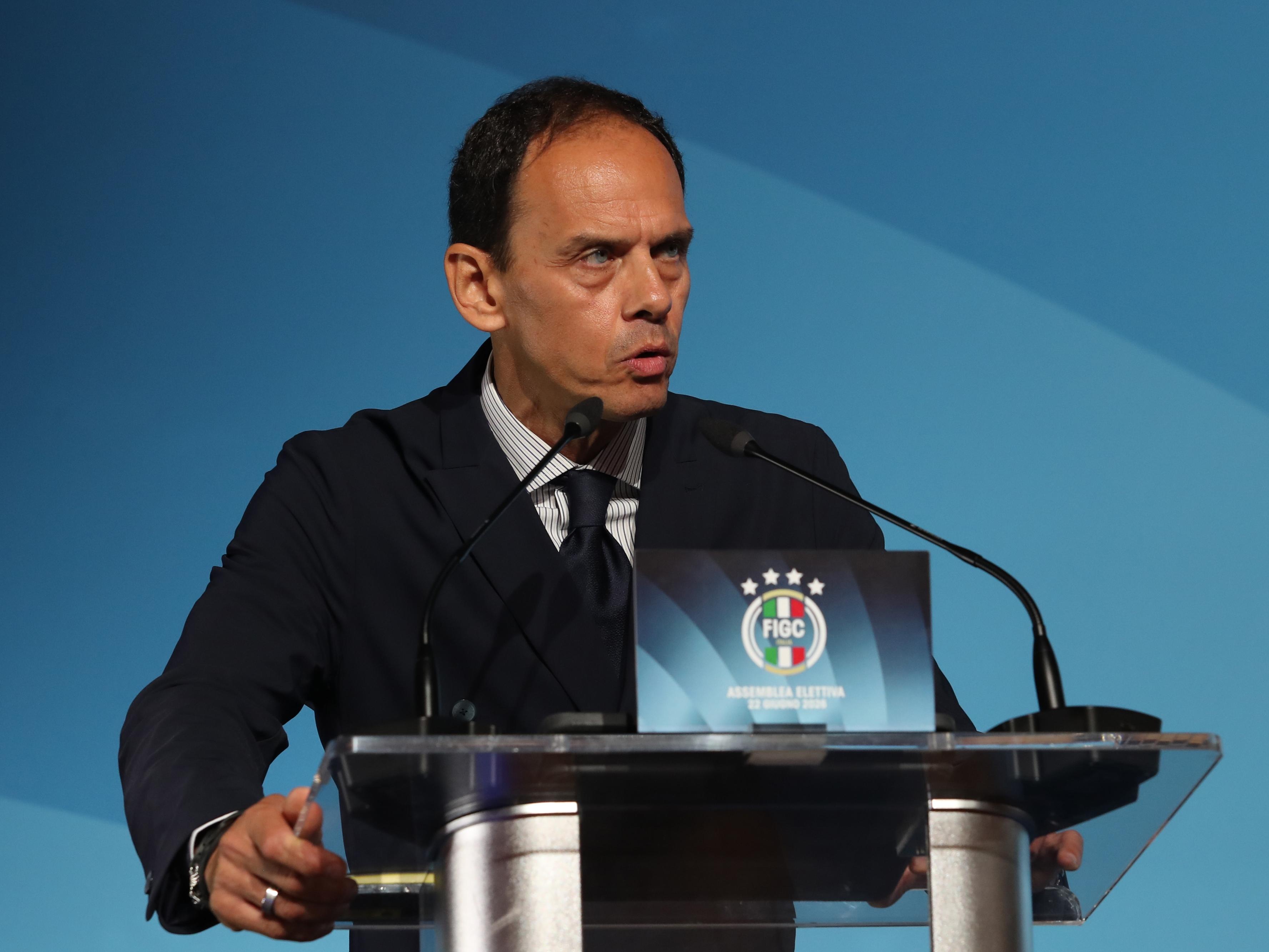
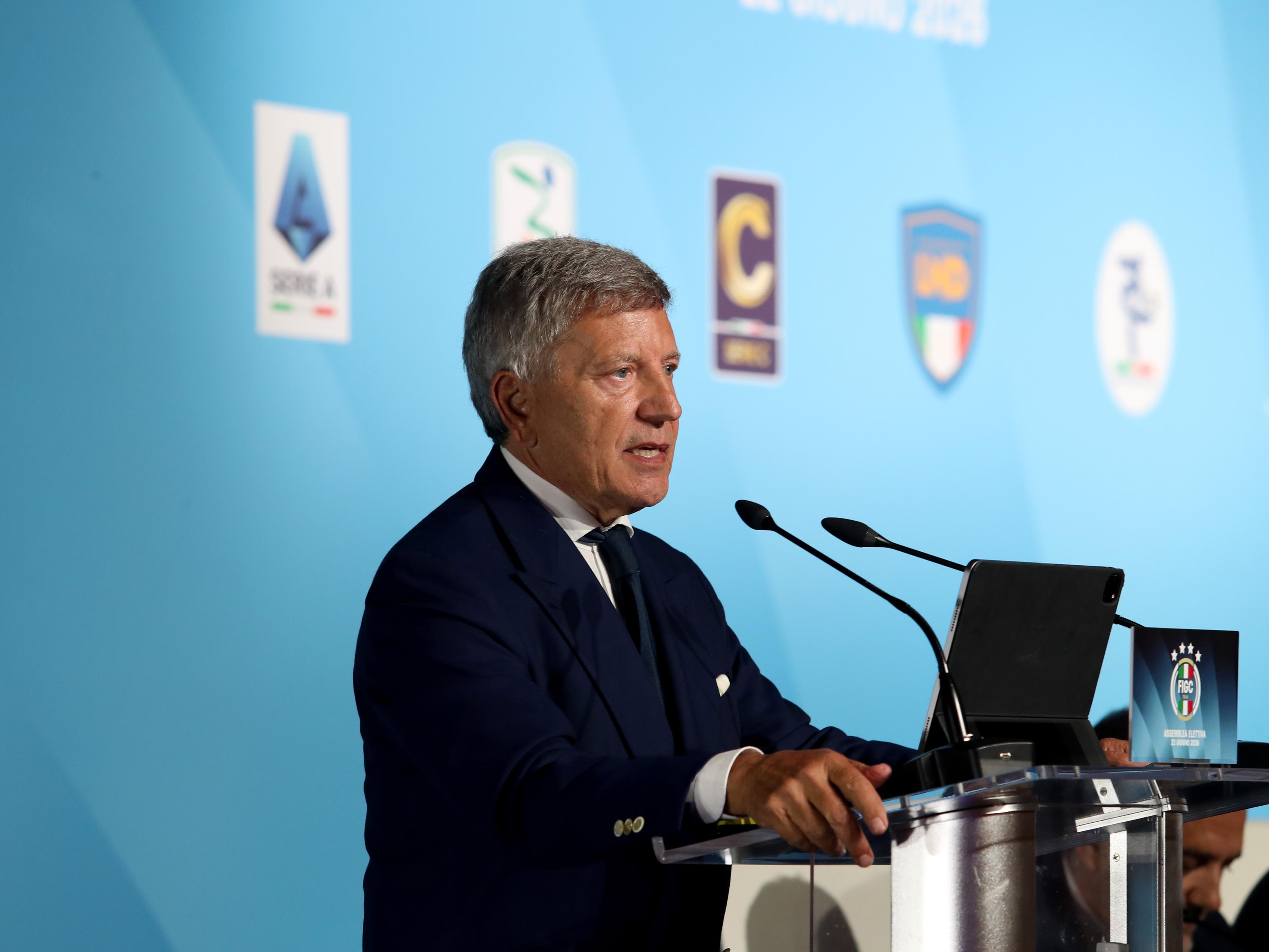
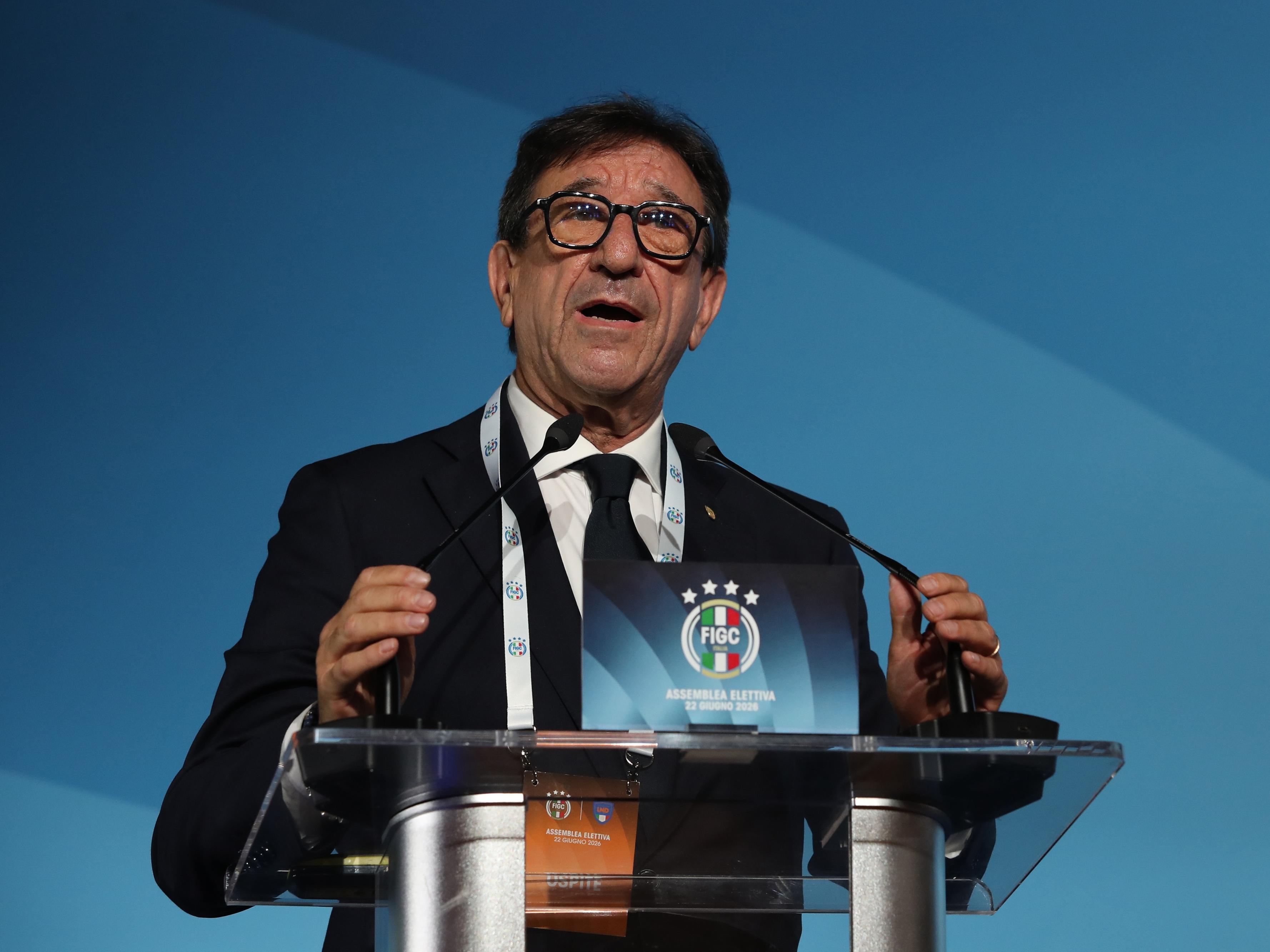
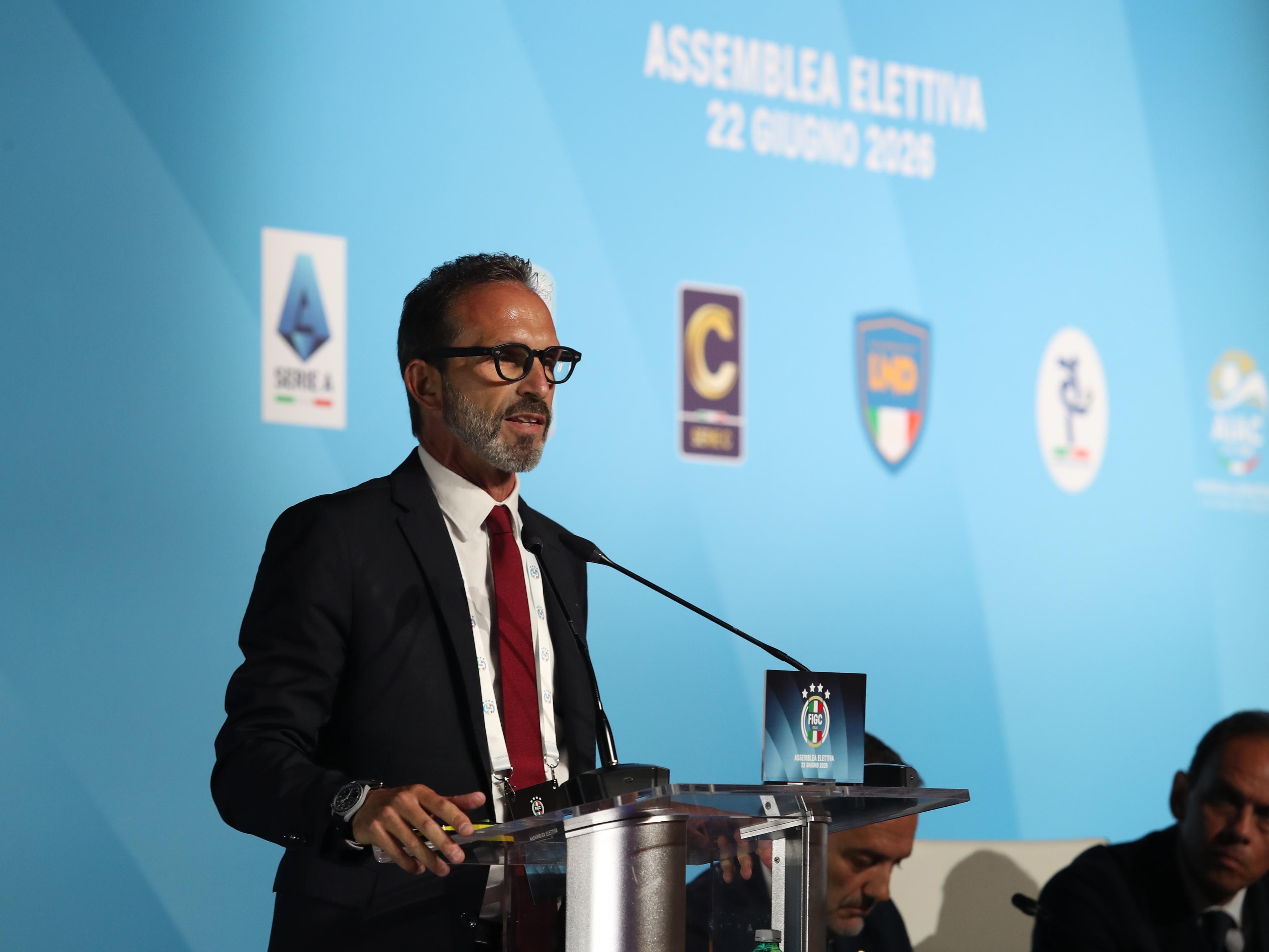
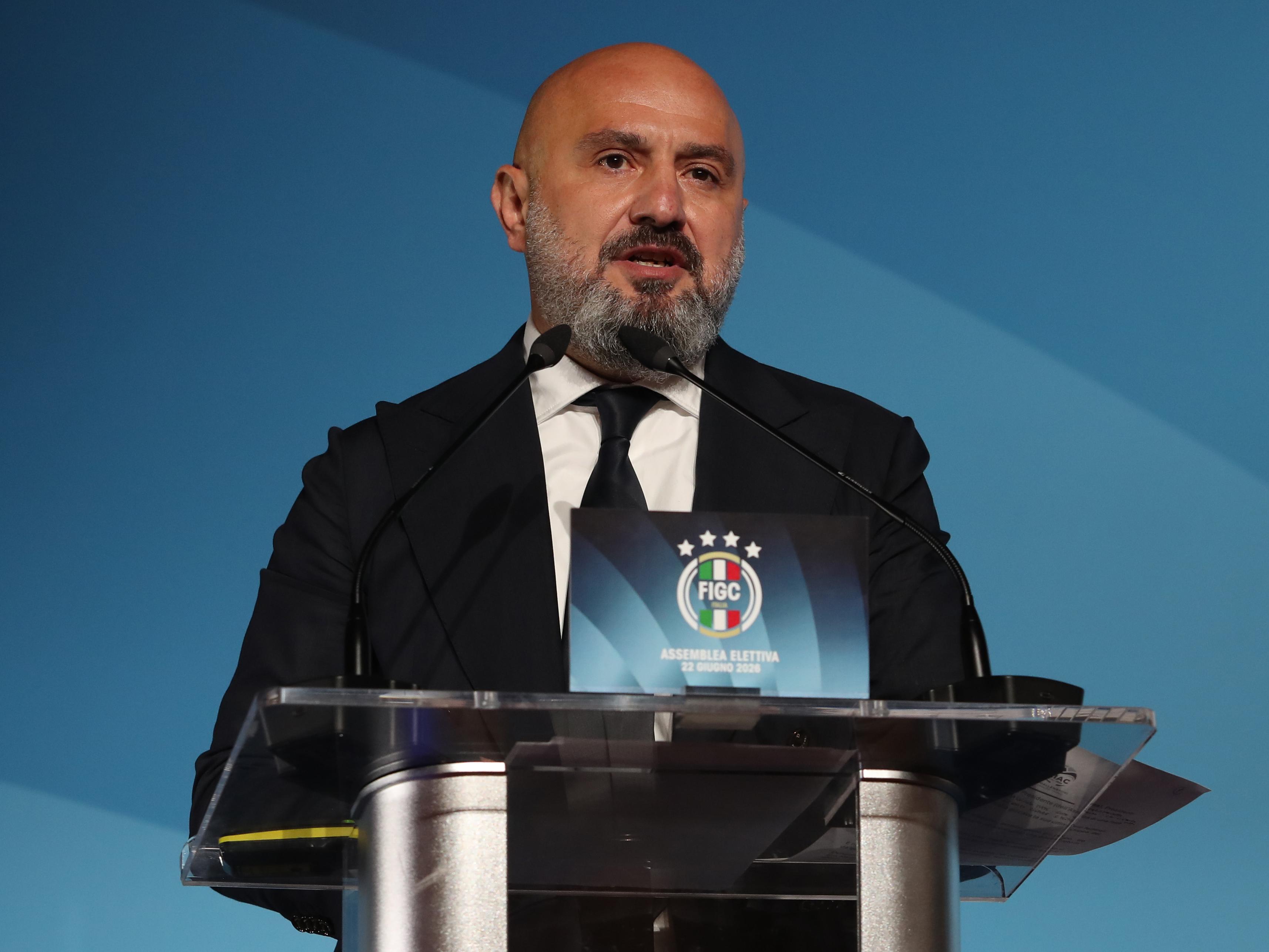
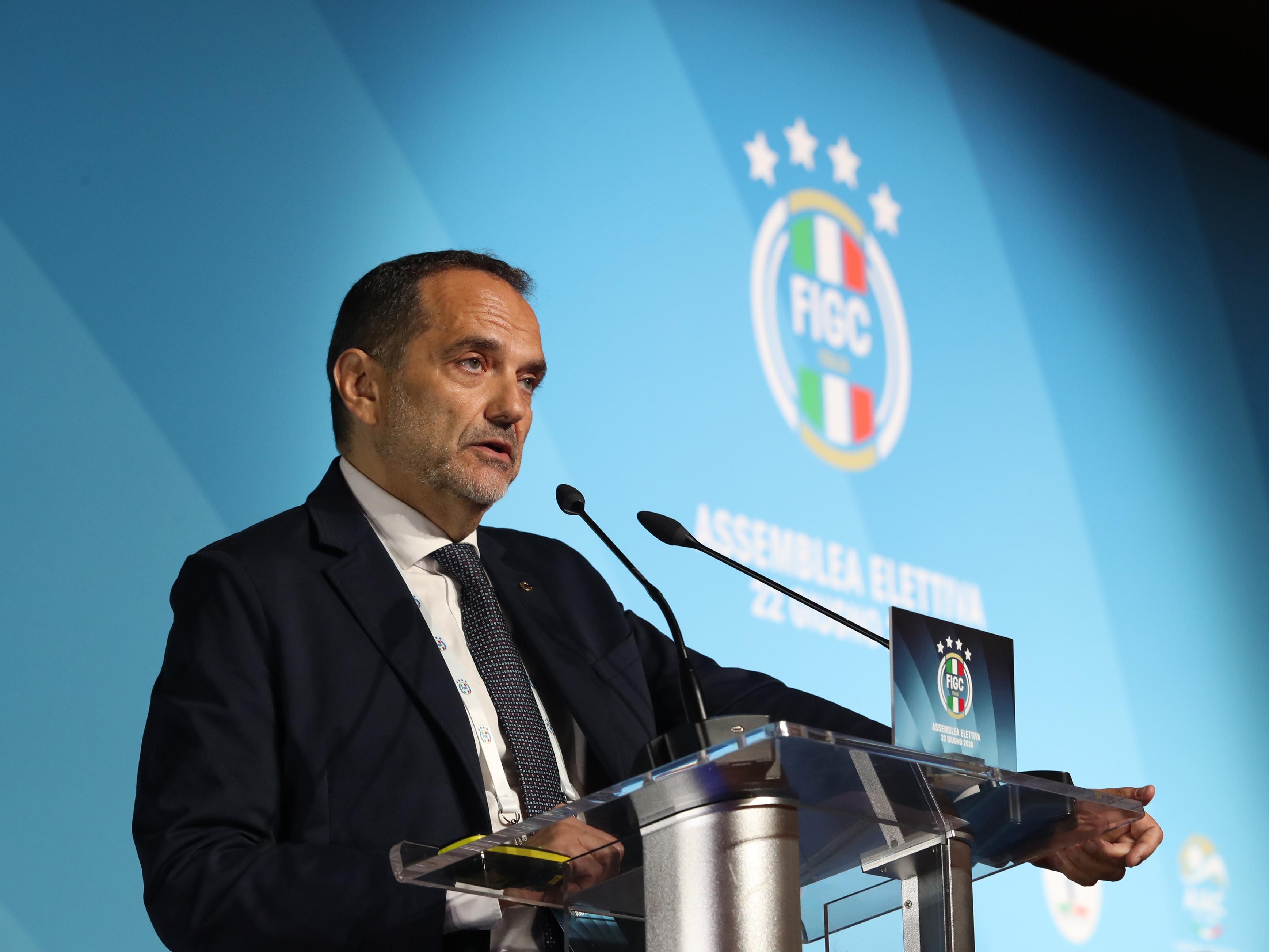
The floor then passed to the presidents of the various football bodies. Ezio Simonelli (Lega Serie A) and Paolo Bedin (Lega Serie B) acknowledged the challenges facing the game while reaffirming their support for Malagò, as did Umberto Calcagno (AIC) and AIAC Deputy Vice-President Pierluigi Vossi. Lega Pro President Matteo Marani stressed the importance of continuing with the Zola reform and creating a sustainable model, including ensuring that 1% of revenue from sports betting is invested in youth development.
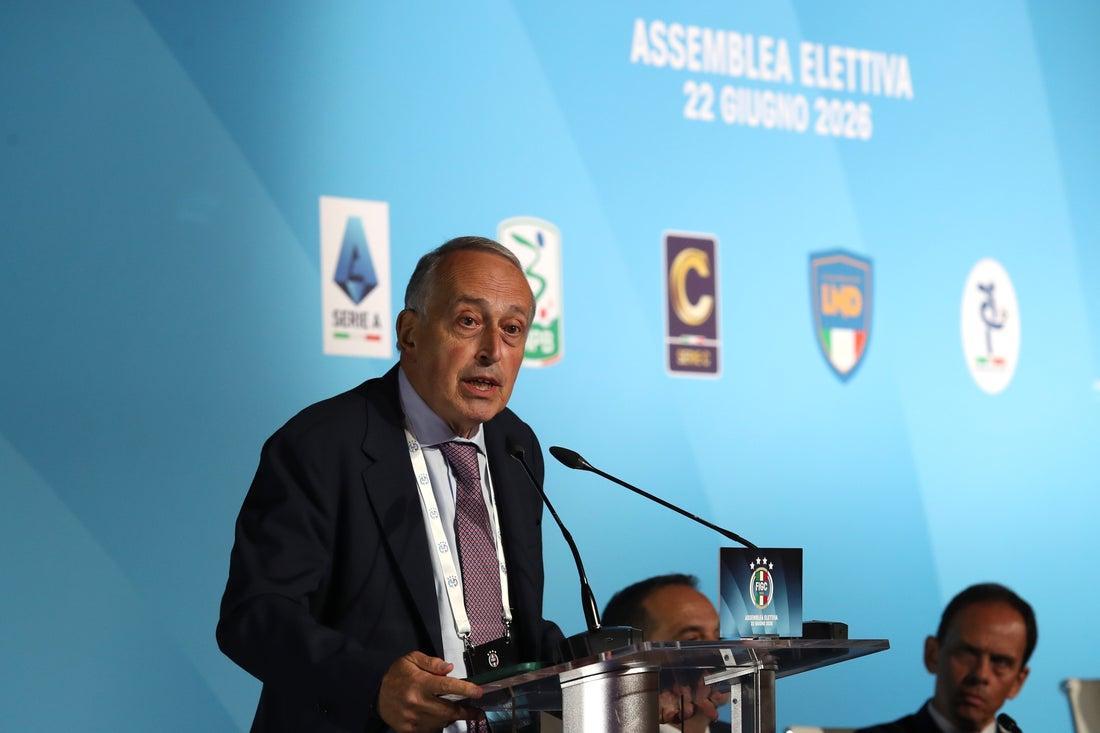
THE CANDIDATES' SPEECHES. In the address he delivered before the vote, Malagò reflected on the key milestones of his long career in sport. "I've heard people say it's like bringing in an outsider, but I see myself as one of you. I've experienced every side of the game, apart from coaching. I'm a son of the FIGC. My goal has always been to help Italy achieve greatness. Aniene [the Rome-based sports club chaired by Malagò for 20 years, ed.] has become the largest amateur sports association in Europe, CONI won more medals than ever before across the last Summer and Winter Olympic Games, and then there was Milano Cortina, where we created a model that is now recognised internationally. I hope all of that can be repeated with the FIGC."
The former CONI President also outlined the priorities of the programme he presented on 14 May, ranging from youth development to investment in infrastructure. "The FIGC must do more than simply govern. It has to inspire. It is the country's biggest social institution, not just because of its size. Our roots shouldn't be something we look back on with nostalgia or see as a burden. Instead, they should inspire us to embrace a new era that is brave and successful, humble yet ambitious. To achieve that, we must set personal interests aside and ensure that every one of you feels part of this journey."
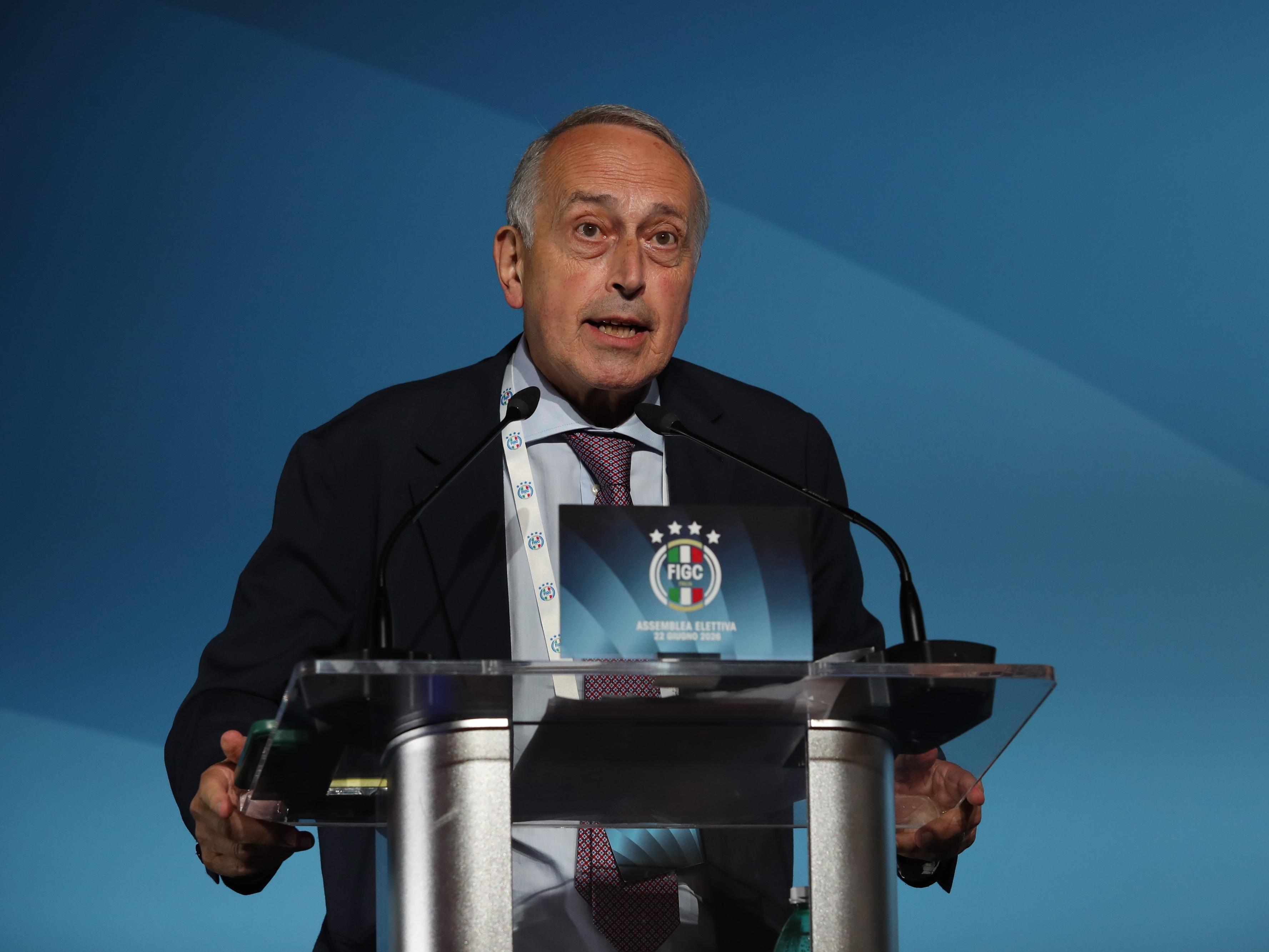
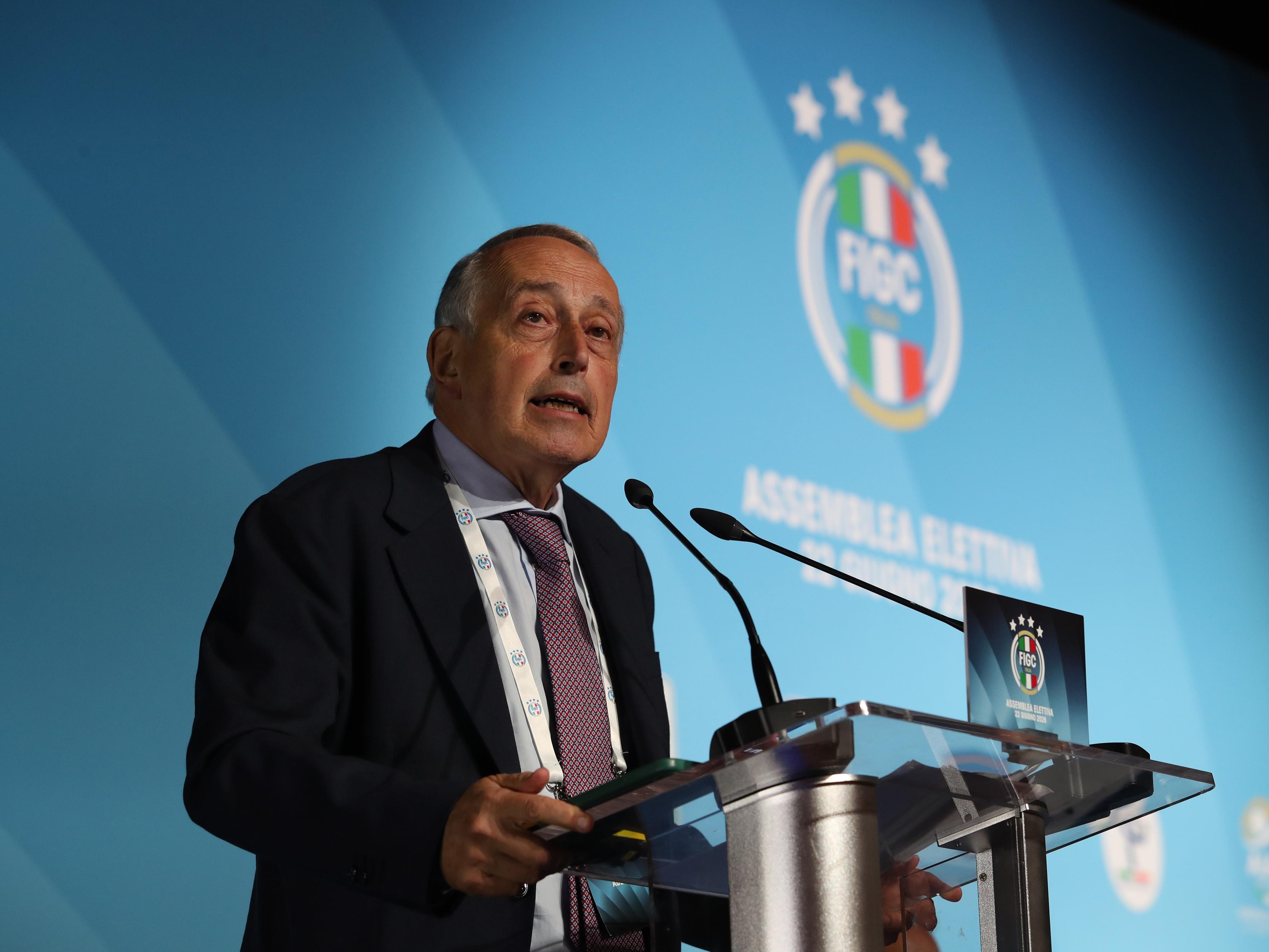
Giancarlo Abete once again argued that the process leading up to the Electoral Assembly had been flawed, with too much emphasis placed on the candidates rather than on agreeing the measures needed to revitalise Italian football. "Democracy is built on debate, on contributing to solutions. That's why I'm here." The former FIGC President, who resigned after Italy's elimination from the 2014 FIFA World Cup, also spoke about the relationship between sport and politics. "We have an issue with politics, and I hope it can be resolved. We need to improve both our reputation and our relationship with political institutions, while securing funding for projects such as the Zola reform. Football is not an industry. It is a major social phenomenon with one and a half million registered participants."
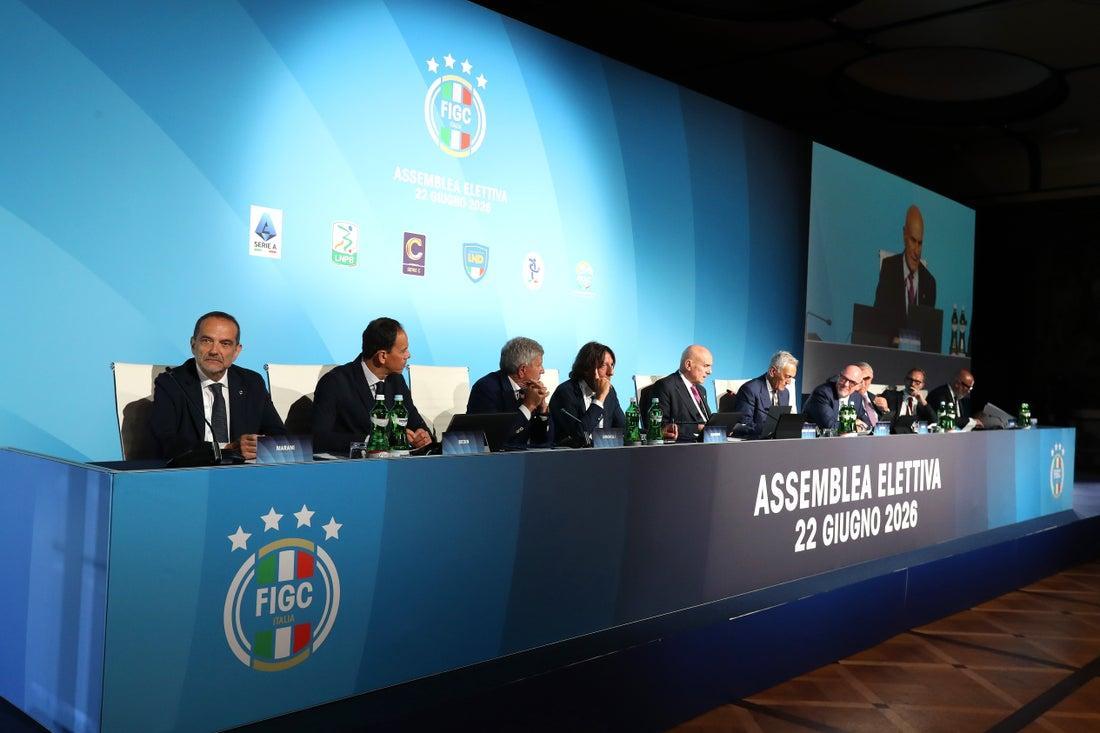
FEDERAL COUNCILLORS. Alongside the new President, the Assembly also elected the new Federal Councillors. The elected representatives are: Stefano Campoccia, Giorgio Chiellini and Giuseppe Marotta for Serie A; Antonio Gozzi for Lega B; Giulio Gallazzi for Lega Pro; Ilaria Bazzerla, Giacomo Fantazzini, Daniele Ortolano, Sergio Pedrazzini and Giuliana Tambaro for the Lega Nazionale Dilettanti (National Amateur League). The athletes' representatives are Valerio Bernardi, Davide Biondini, Umberto Calcagno and Sara Gama, while Giancarlo Camolese and Silvia Citta represent the coaches. The League presidents are members of the Federal Council by right.