

PHOTO
Ahead of Italy vs Belgium, the Azzurri’s opening match in the fifth edition of the UEFA Nations League, scheduled for Friday 25 September at the Stadio Olimpico in Rome, the FIGC is renewing its commitment to making football more inclusive, accessible and sustainable. It will do so through its Social and Environmental Sustainability Matchday Format, introduced in 2024 and now implemented at every home match played by the senior men’s national team.
SOCIAL SUSTAINABILITY
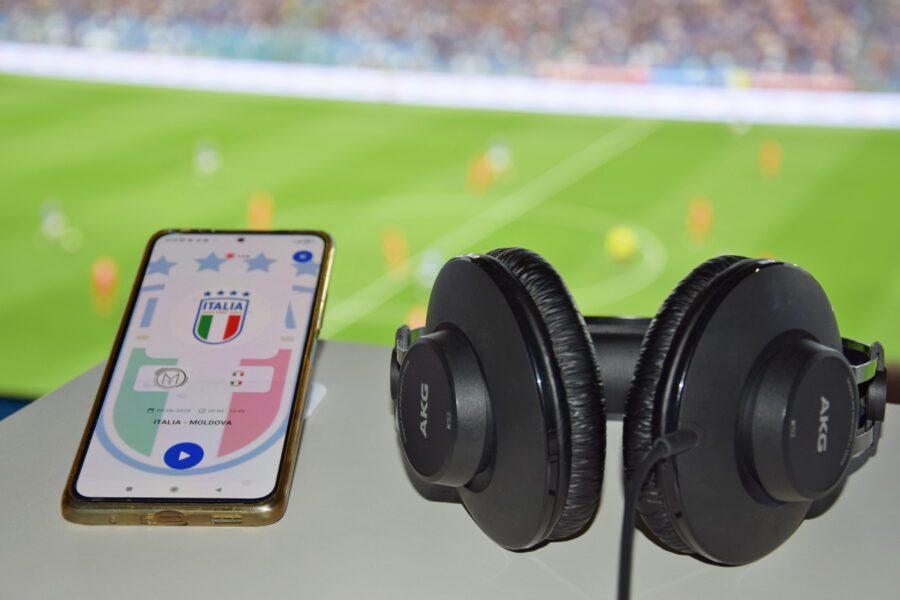
AUDIO DESCRIPTION FOR BLIND AND VISUALLY IMPAIRED SUPPORTERS. An audio-description service will be available to blind and visually impaired supporters, enabling them to follow the match from inside the stadium using their smartphones. It will also be accessible remotely, allowing up to 500 supporters to experience the match from home through dedicated live commentary on a smartphone app. The initiative forms part of the FIGC’s efforts to make Italy matches increasingly accessible, remove barriers and encourage all supporters to participate.
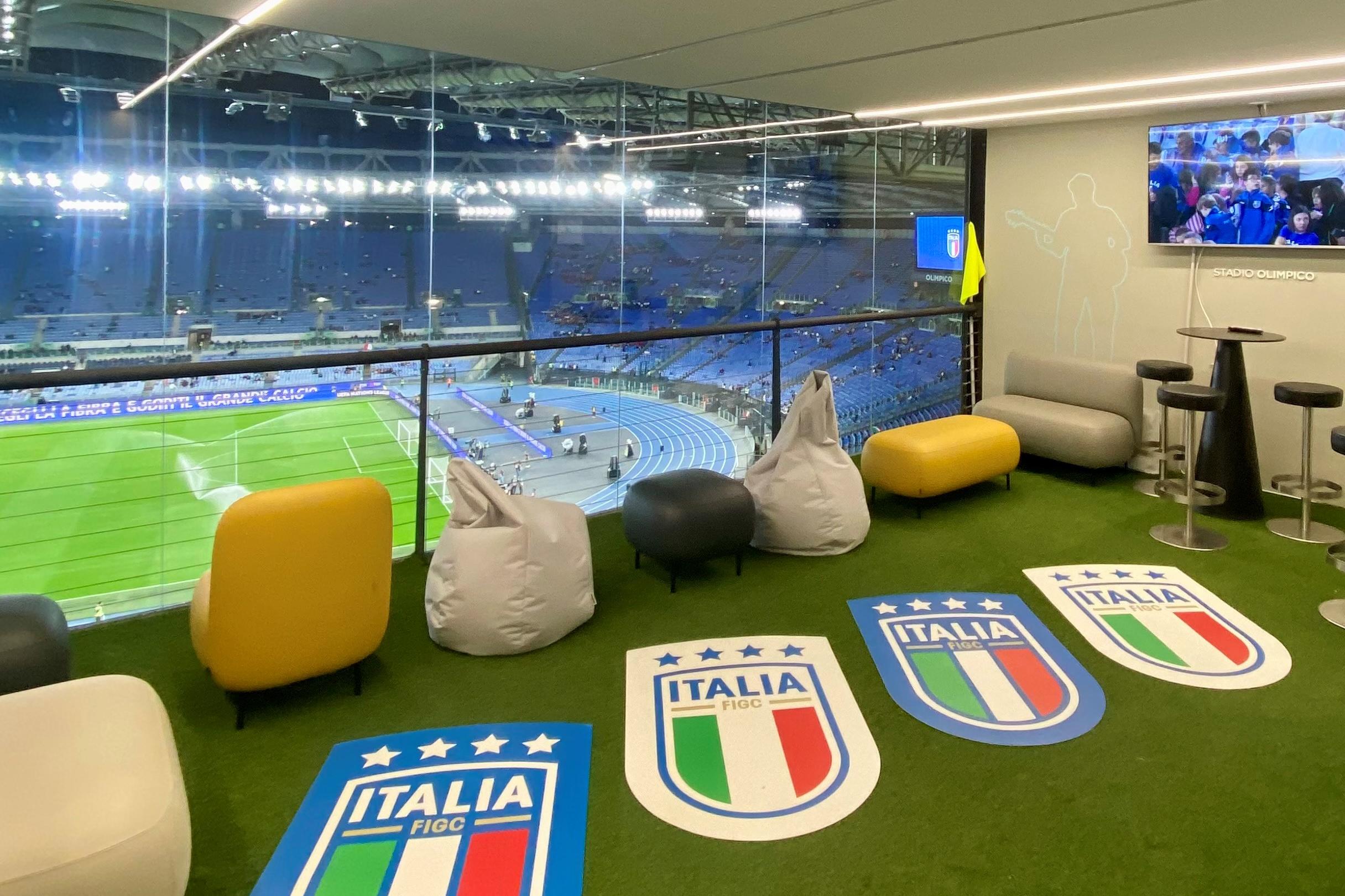
QUIET ROOM. A Quiet Room will be available to players with cognitive, psychological and sensory disabilities who are part of the FIGC Youth and School Sector’s Integrated Football Project and represent SS Romulea and ASD Anguillara Calcio. This safe and welcoming space is designed to enable them to attend the match and make the stadium experience more inclusive and accessible.
SOCIAL AND EMPLOYMENT INCLUSION. For the first time, inclusive catering initiatives will be implemented across all Hospitality areas. Young people with Down syndrome from Locanda dei Girasoli will help provide the catering. The organisation works to promote the social and employment inclusion of people with disabilities.
PLAYER ESCORTS. Children from Bambino Gesù Children’s Hospital will play a special role before kick-off, walking out onto the pitch with the Italy and Belgium players.
ENVIRONMENTAL SUSTAINABILITY
SUSTAINABLE CATERING. In accordance with UEFA’s ‘Healthy and Sustainable Catering Guidelines’, shared by the FIGC, sustainable catering measures will be extended to all Hospitality areas. These will include responsible food and beverage choices, health-conscious preparation methods and transparent communication. Priority will also be given to reducing single-use plastics, selecting organic and locally sourced products, and providing inclusive menus to encourage more responsible consumption.
FOOD SURPLUS RECOVERY. For the first time, food surplus recovery will be introduced throughout all Hospitality areas. Surplus food will be collected in partnership with ACLI Roma APS and redistributed to people in vulnerable situations, helping to reduce food waste and make better use of available resources.