

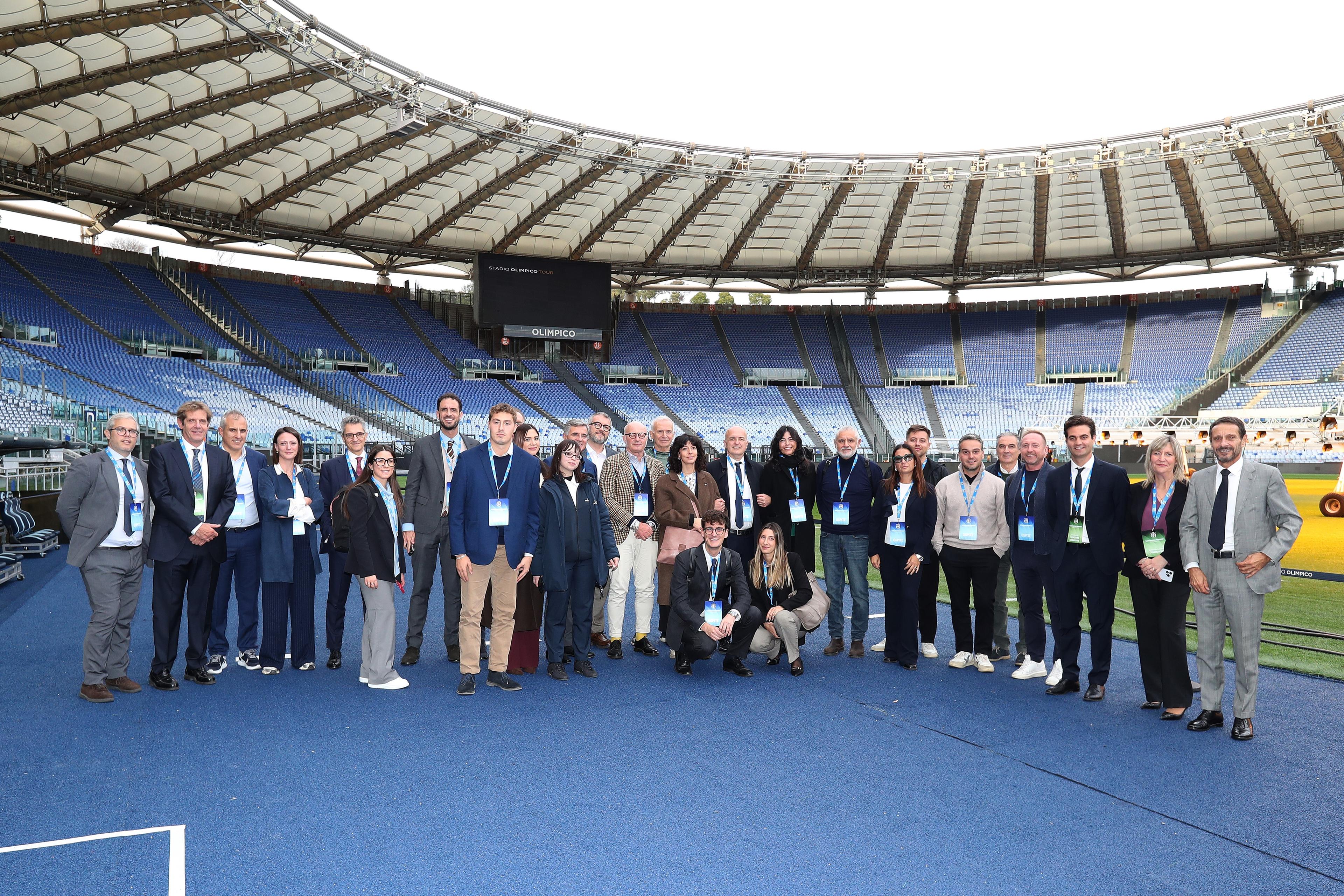
PHOTO
The FIGC Safeguarding Workshop 2026 took place in the Sala Autorità at the Stadio Olimpico in Rome. Organised by the FIGC Federal Commission for Safeguarding Policies, the event brought together the Safeguarding Officers of professional clubs with the aim of strengthening dialogue with clubs, recognising the work of those responsible for safeguarding, and encouraging cooperation amongst those working to protect registered members every day.
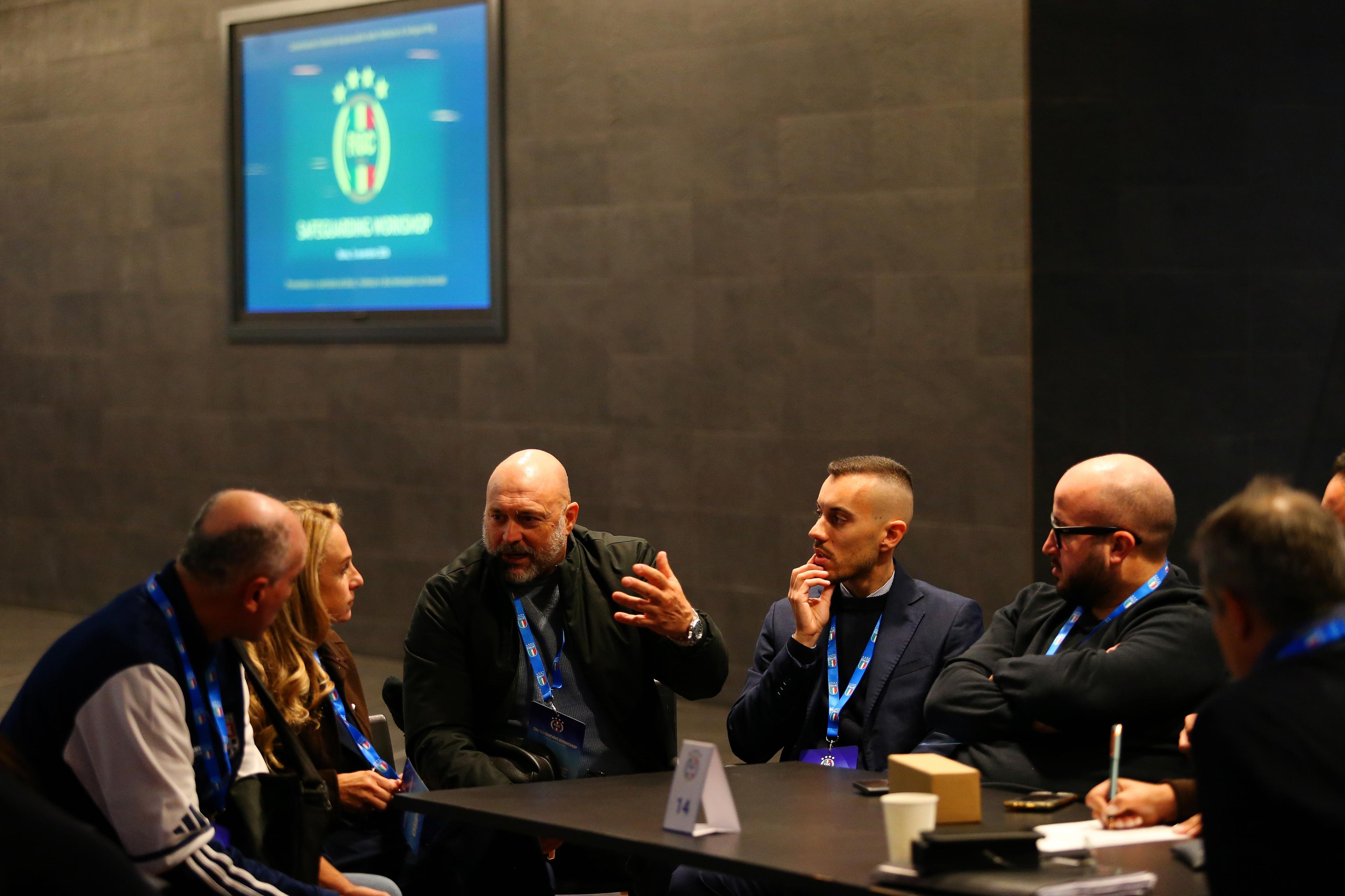
The event also marked the conclusion of the “Safeguarding in Action” project for the 2025-26 season. The initiative began with online training for clubs before moving into an operational phase. Supported by members of the Commission, clubs had the opportunity to discuss and share their respective experiences during working sessions held alongside the event.
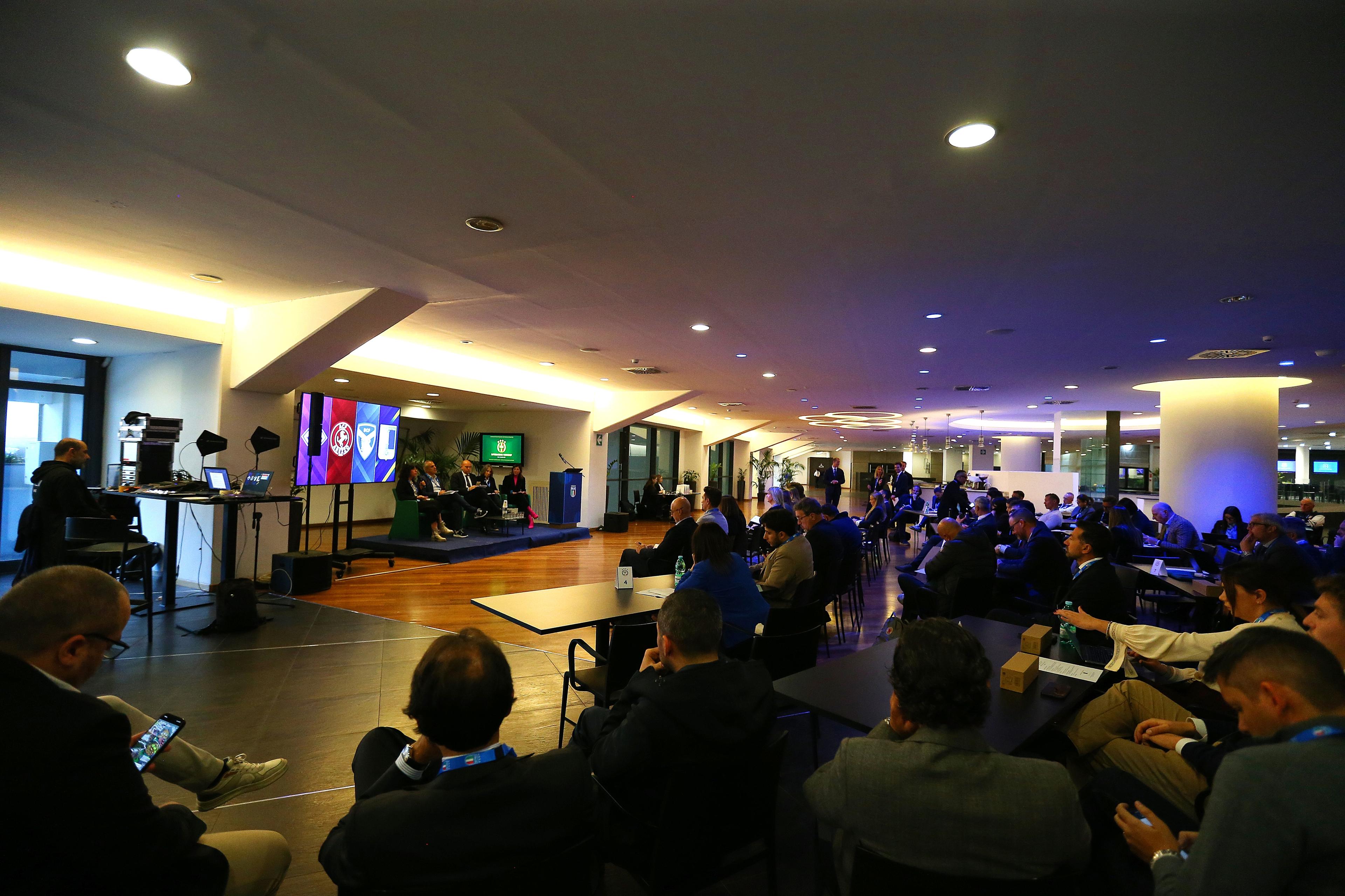
“Thank you to everyone here for taking part in this initiative. It is an opportunity to address an issue that is now very much at the forefront of public debate, and particularly within our world, which isn’t just football, but sport as a whole,” said FIGC Extraordinary Commissioner Giovanni Malagò, who opened proceedings with a video message. “I believe that knowledge and expertise in this field are more essential than ever. We must protect people, report incidents, and speak openly about anything that is not working within our world. It is also important to create this openness by sharing the experiences of individual clubs.”
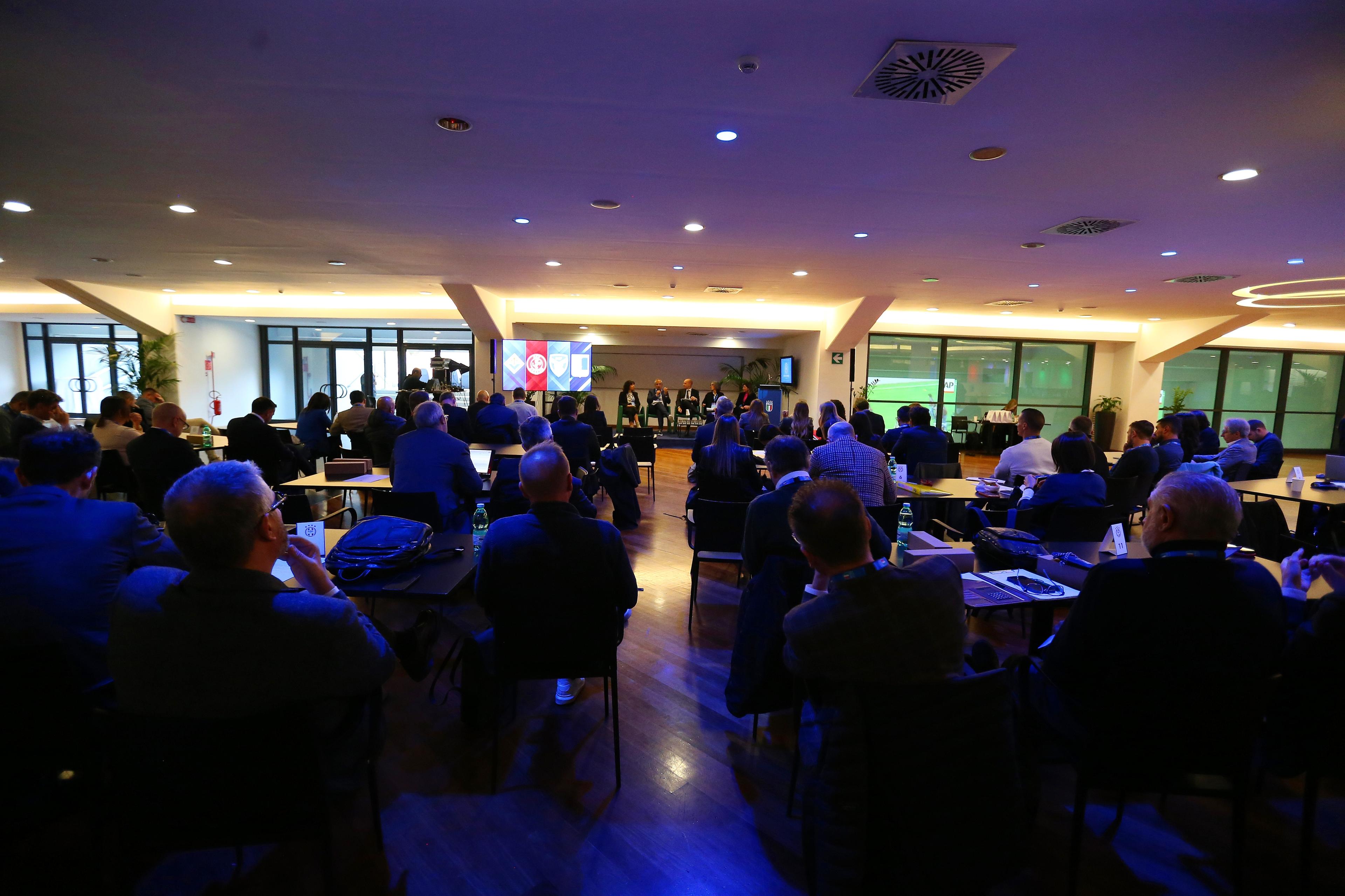
“The event was particularly interesting because, alongside setting out rules of conduct, it also explained how to act proactively and achieve our safeguarding and prevention objectives. This is essential to ensure that young people can play in a safe environment, without being subjected to mistreatment, violence, or bullying,” added Roberto Serrentino, President of the FIGC Safeguarding Commission. “Everyone involved, from coaches and fitness coaches to doctors, kit managers and families, must work together to create a protective network. Our aim is to not only make sports grounds safe, but all environments, so that young people can return home happy after playing, rather than silent and withdrawn, showing signs that something serious may have happened.”
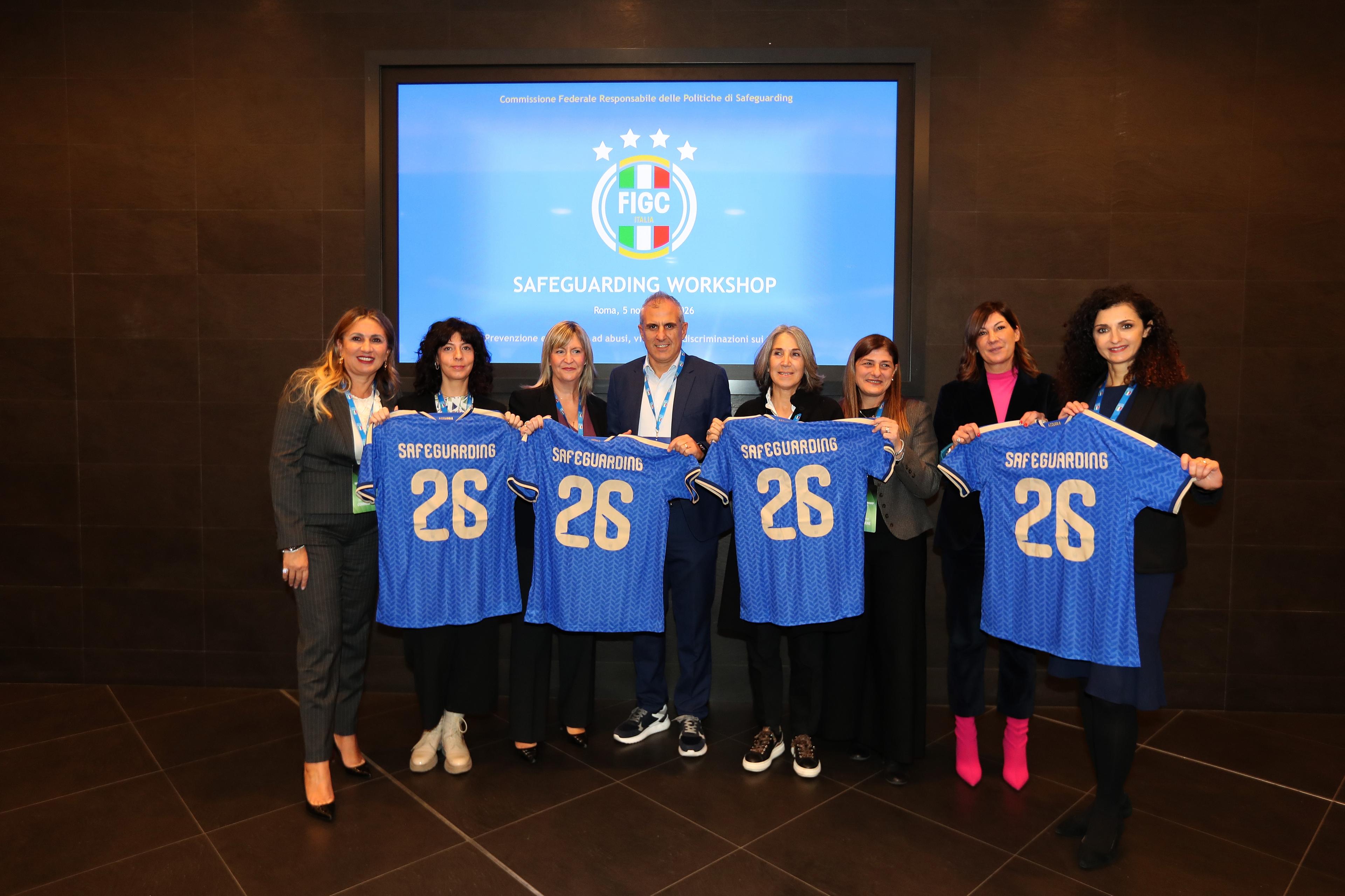
During the event, Fiorentina (Serie A and Serie A Women), Arezzo and Brescia (Serie B Women), and Sestu (Youth and School Football Sector) took part in a round-table discussion showcasing some of the projects selected by the Commission from more than 150 submissions.
The selected projects were:
Fiorentina – Doppia Sfida: talento sportivo e maturità personale (presented by Claudia Milletti)
ACF Arezzo – CARE - Crescita, Ascolto, Rispetto, Equilibrio (presented by Maria Luisa Lapini)
Brescia Calcio Femminile – Vedere - La tutela come cultura, responsabilità e crescita della persona (presented by Clara Gorno)
ASD Sestu – Sestu Sport Sicuro: insieme per il safeguarding (presented by Ignazio Gianluca Sanna)