

PHOTO
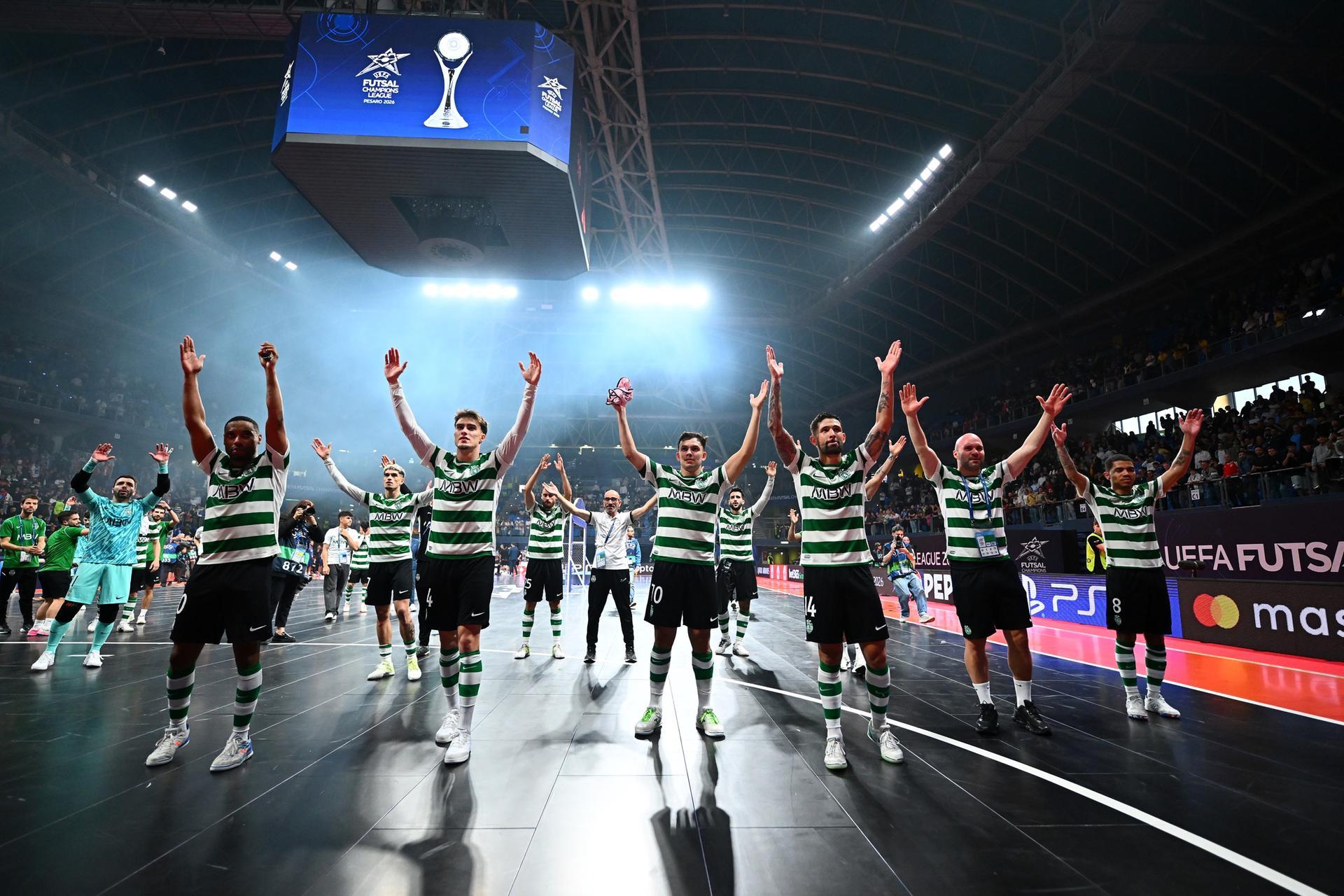
The 2026 UEFA Futsal Champions League Finals in Pesaro came to a close on Sunday evening with Sporting Lisbon lifting the trophy for the third time in the club’s history. But beyond the outcome on the pitch, the event at the Vitrifrigo Arena had further significance in terms of numbers, engagement and initiatives.
SPECTATORS
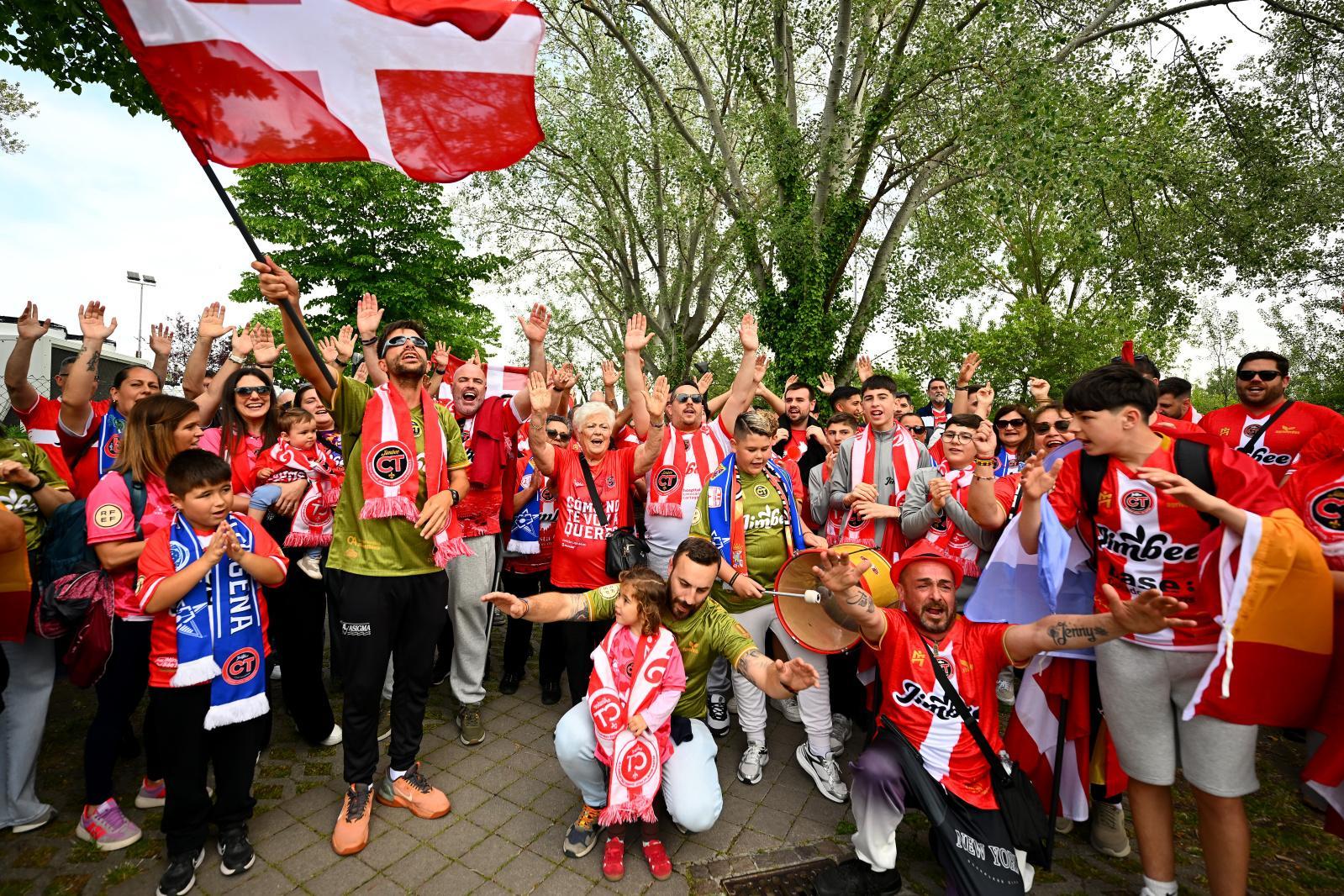
A total of 8,873 spectators attended the two matchdays in Pesaro: 2,957 fans were present on Friday for the semi-finals, while 5,816 attended the final, with general public tickets for Sunday selling out completely. Fans of the four participating teams had access to reserved ticket allocations: 350 fans travelled from France to follow Étoile Lavalloise (the largest travelling support), while 200 Sporting supporters made the trip, alongside more than 100 fans from Mallorca backing Palma and 150 supporters travelling from Cartagena.
MEDIA AND TV
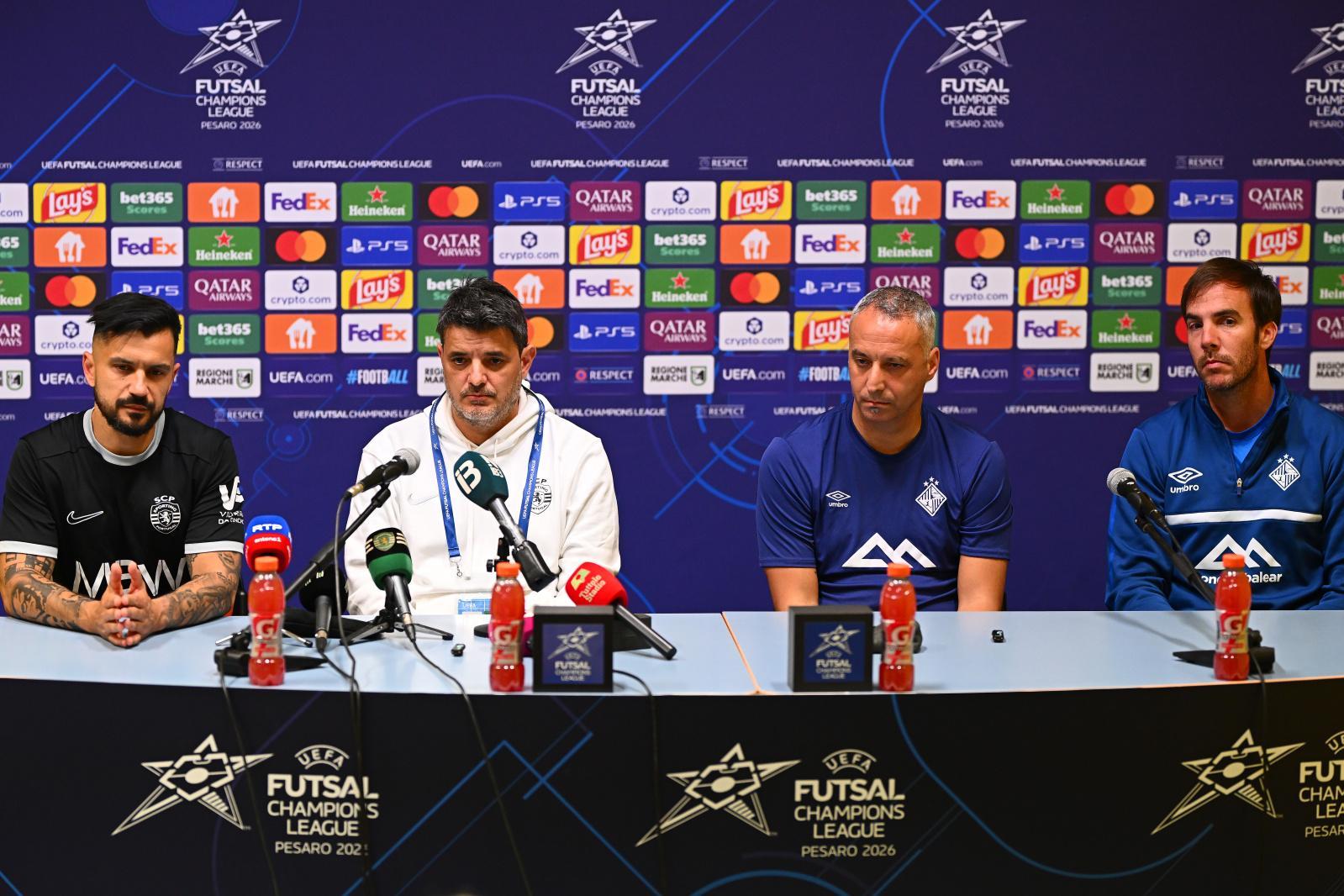
The Pesaro Finals were broadcast in 31 countries worldwide. In Italy, both the semi-finals and final were shown live on Sky Sport, but coverage extended far beyond Europe, reaching South America — led by Brazil — and the United States. A total of 70 accredited media representatives attended the event in Pesaro, including 20 from Portugal, 10 from Spain, four from France and one from Russia.
TECHNICAL DATA
A study conducted by Club Italia’s Futsal Technical Area analysed several tactical and technical aspects of the Pesaro Finals. The data revealed, for example, that of the 6.5 average goals scored per match, 11 of the 26 total goals came from structured attacking play (42.3%), four from transition situations (15.4%) and only three from set pieces — two from corners (7.7%) and one from a free-kick (3.8%). Additional insights emerged from the analysis: more than half of the goals (53.8%) were scored from Zone A2, the area closest to and most central to goal. Assists, meanwhile, primarily originated from Zones A3 (33.3%) and A1 (22.2%), underlining the extent to which teams exploited wide areas.
SOCIAL SUSTAINABILITY
Audio-description service for blind and visually impaired supporters
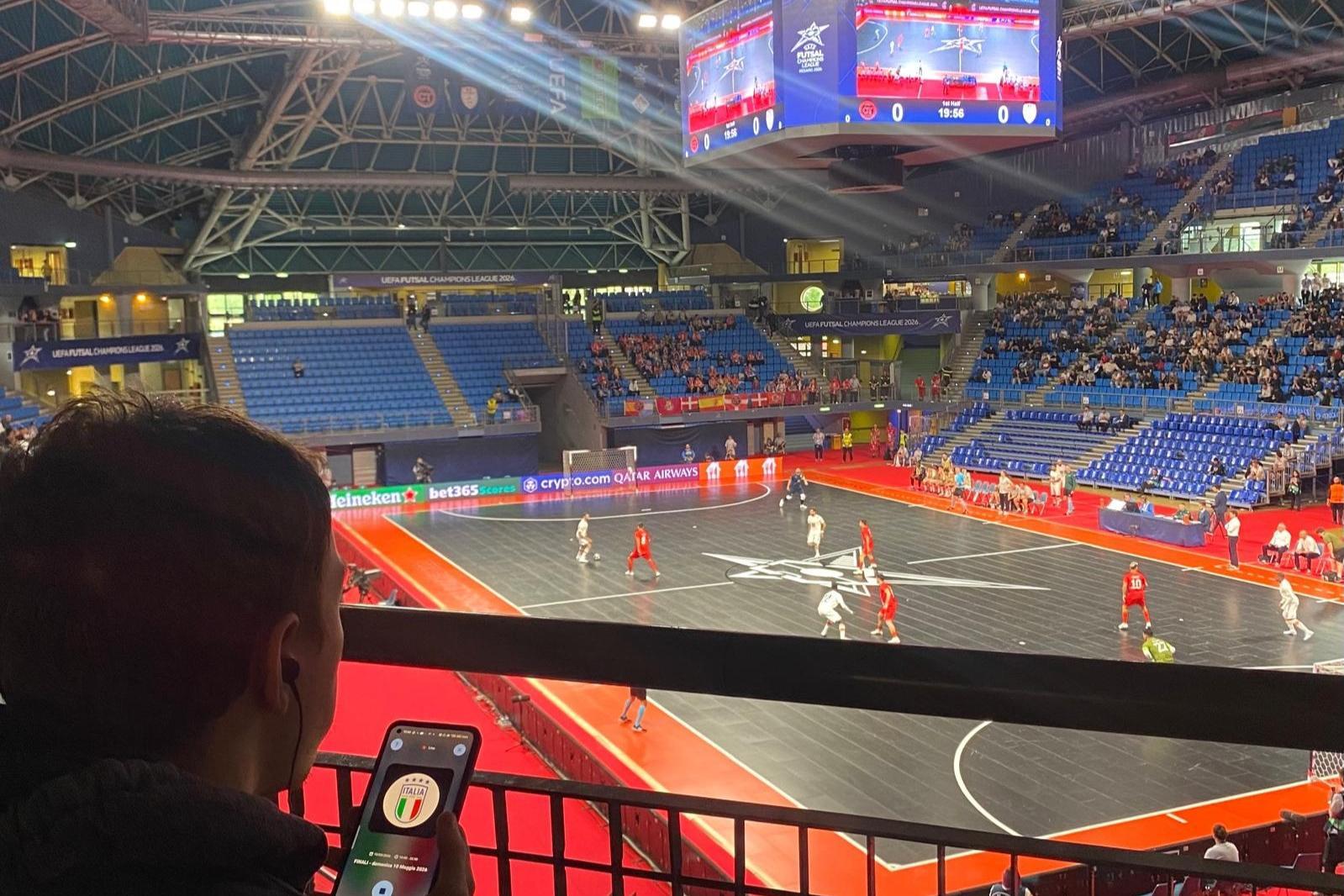
The audio-description service was operational across both matchdays, enabling blind and visually impaired supporters to follow the matches both in person — directly inside the arena via smartphone — and remotely through a dedicated application. In total, around 15 people made use of the service, including both in-arena spectators and remote listeners. Among those present at the Vitrifrigo Arena were blind and visually impaired supporters from the Pesaro Institute for the Blind, who were involved in the event to experience the UEFA Finals at close quarters. This marked the first time in history that an audio-description service had been implemented at a UEFA futsal competition, representing an important step forward in accessibility and inclusion at international sporting events.
Accessibility
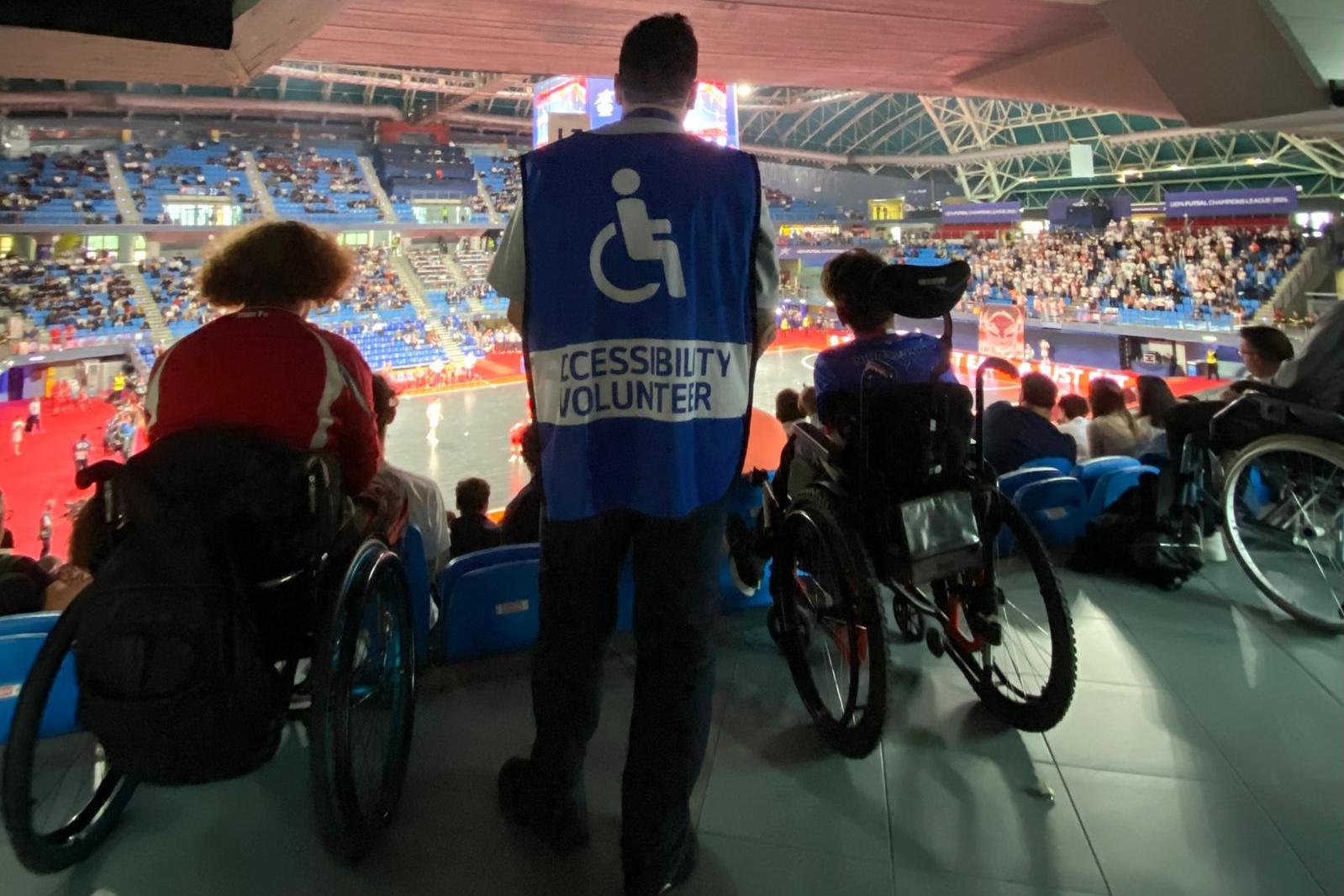
Throughout the Finals, spectators with motor disabilities or mobility difficulties were guaranteed access to designated accessible seating areas and could also rely on the support of dedicated volunteers. The FIGC ensured accessibility standards through internal accessible routes from reserved parking areas to dedicated seating sectors, lifts, designated spaces and dedicated services within the arena, ensuring a complete and safe matchday experience.
Child and Youth Protection
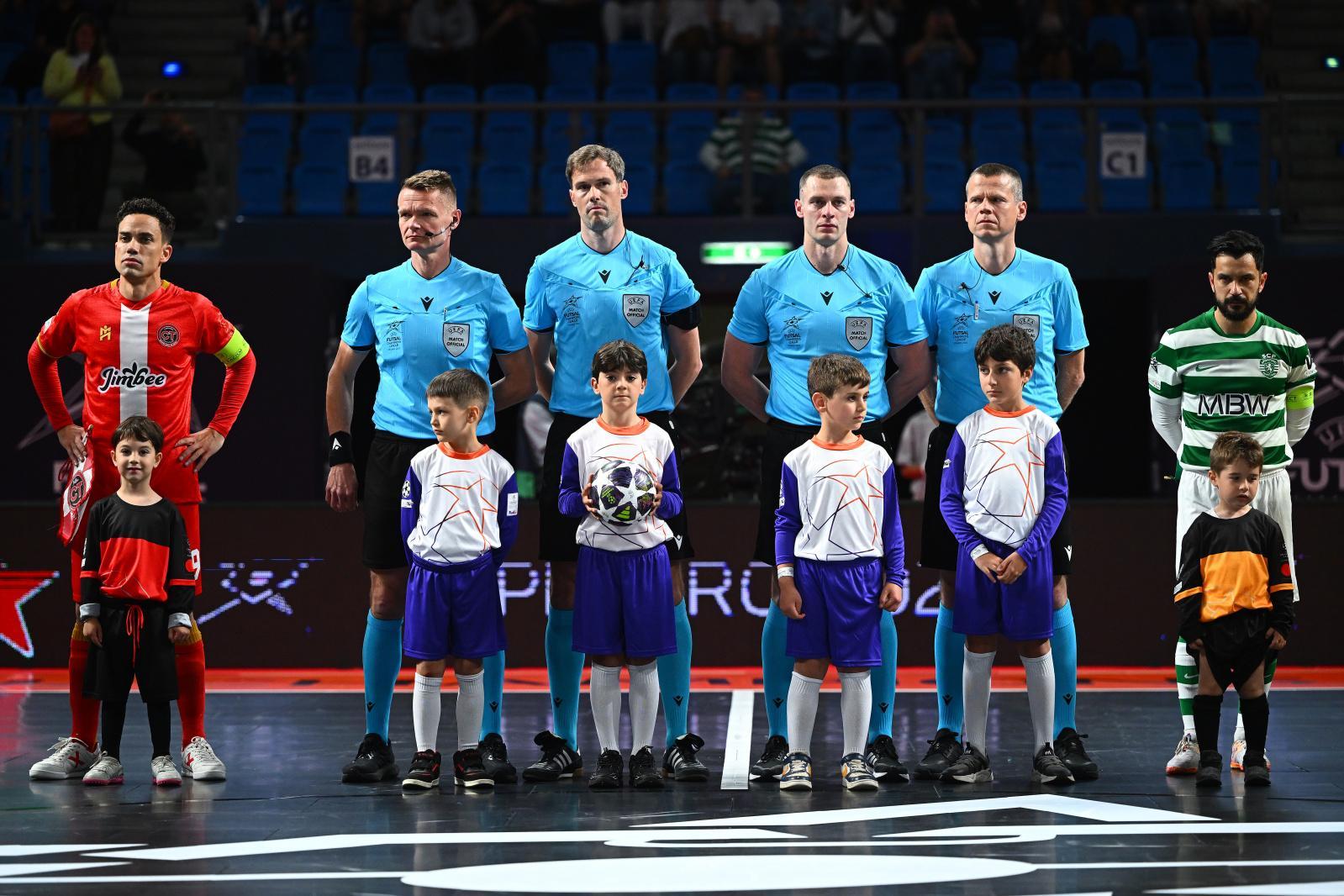
In Pesaro, the UEFA Futsal Champions League Finals concluded with a strong focus on safeguarding and meaningful participation, reaffirming a shared commitment to promoting safe, inclusive and positive environments for all children involved in the event’s official activities. The event saw the full implementation of the UEFA Child & Youth Protection Event Protocol, extending its application to all Youth Programme activities — entrusted for the occasion to the expertise of the FIGC Youth and School Sector— while ensuring compliance with UEFA policies, FIGC Safeguarding Guidelines and national legislation. More than 100 young participants took part in the event across a range of roles, including match ball carriers, player mascots, ball kids and moppers, experiencing both the semi-finals and final within a highly organised, protected environment constantly monitored by Federation staff. All activities were carried out safely and without incident thanks to an integrated system of prevention, supervision and support involving staff, guardians and volunteers working directly with minors throughout the event. Particular attention was devoted to the welcome and wellbeing of participating children, including the use of dedicated identification wristbands, controlled access procedures and continuous oversight by the FIGC Youth and School Sector. Throughout the Finals, a Child & Youth Protection Officer remained on-site to oversee the implementation of measures established under the UEFA protocol. At the same time, the FIGC Safeguarding reporting system remained active through both a dedicated platform and an emergency telephone channel. The experience in Pesaro reaffirmed a commitment to embedding a safeguarding culture into the organisation of major sporting events, helping to leave a lasting legacy in terms of protection, awareness and support for young participants.
ENVIRONMENTAL SUSTAINABILITY
Sustainable catering
Measures aligned with circular economy principles were adopted across hospitality areas, including responsible catering, the elimination of single-use plastics, the use of organic and locally sourced products, and inclusive menu options. The catering service was designed in accordance with the Healthy & Sustainable Catering Guidelines published by UEFA, which promote healthier and more sustainable food provision at sporting events through conscious food and drink selection, health-conscious preparation methods and efficient food surplus management.
Redistribution of food surplus
Across the event, more than 25kg of surplus food was recovered from staff, volunteer and hospitality areas. Thanks to cooperation with Caritas Pesaro, food stocks collected at the end of each matchday were redistributed to people in vulnerable conditions, making a concrete contribution to waste reduction and lowering environmental impact.
Waste management and circular economy
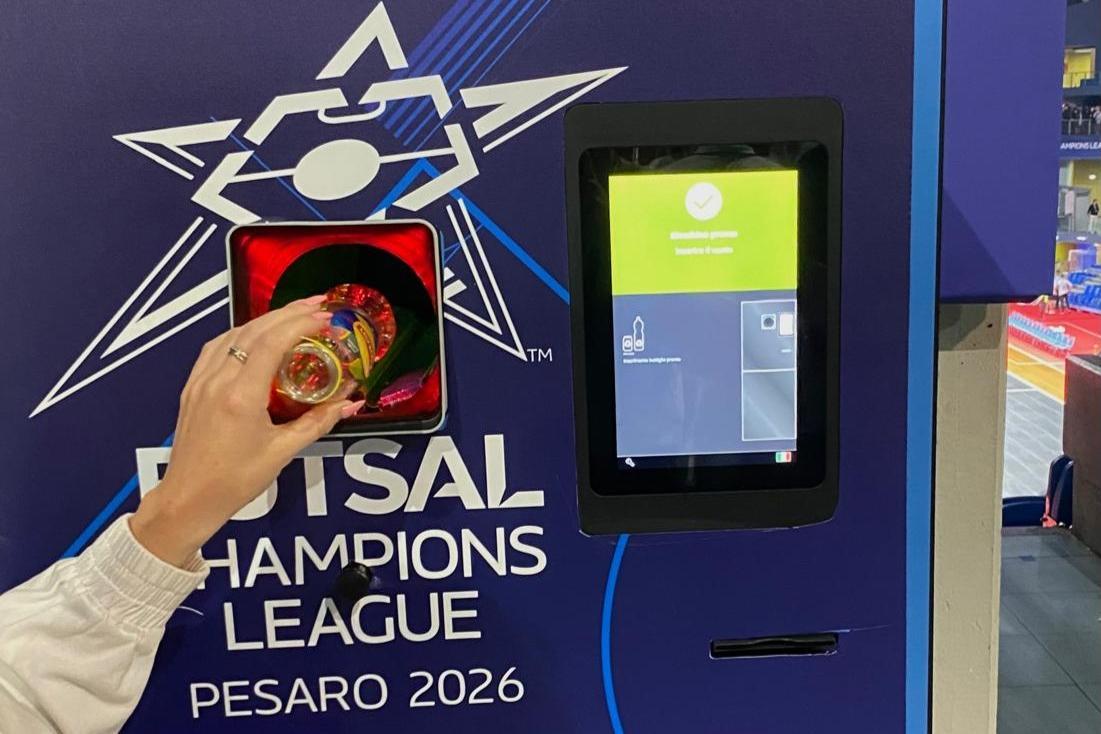
Throughout the event, an enhanced waste separation system was implemented across all areas of the arena. An eco-compactor, provided by the arena for the disposal of plastic bottles, was also used, with a volunteer on hand to guide and assist supporters in operating the machine. The 2026 UEFA Futsal Champions League Finals represented an important opportunity for the practical implementation of UEFA and FIGC sustainability strategies, with a particular focus on social inclusion, accessibility and reducing environmental impact, leaving a positive legacy for the city of Pesaro.