

PHOTO
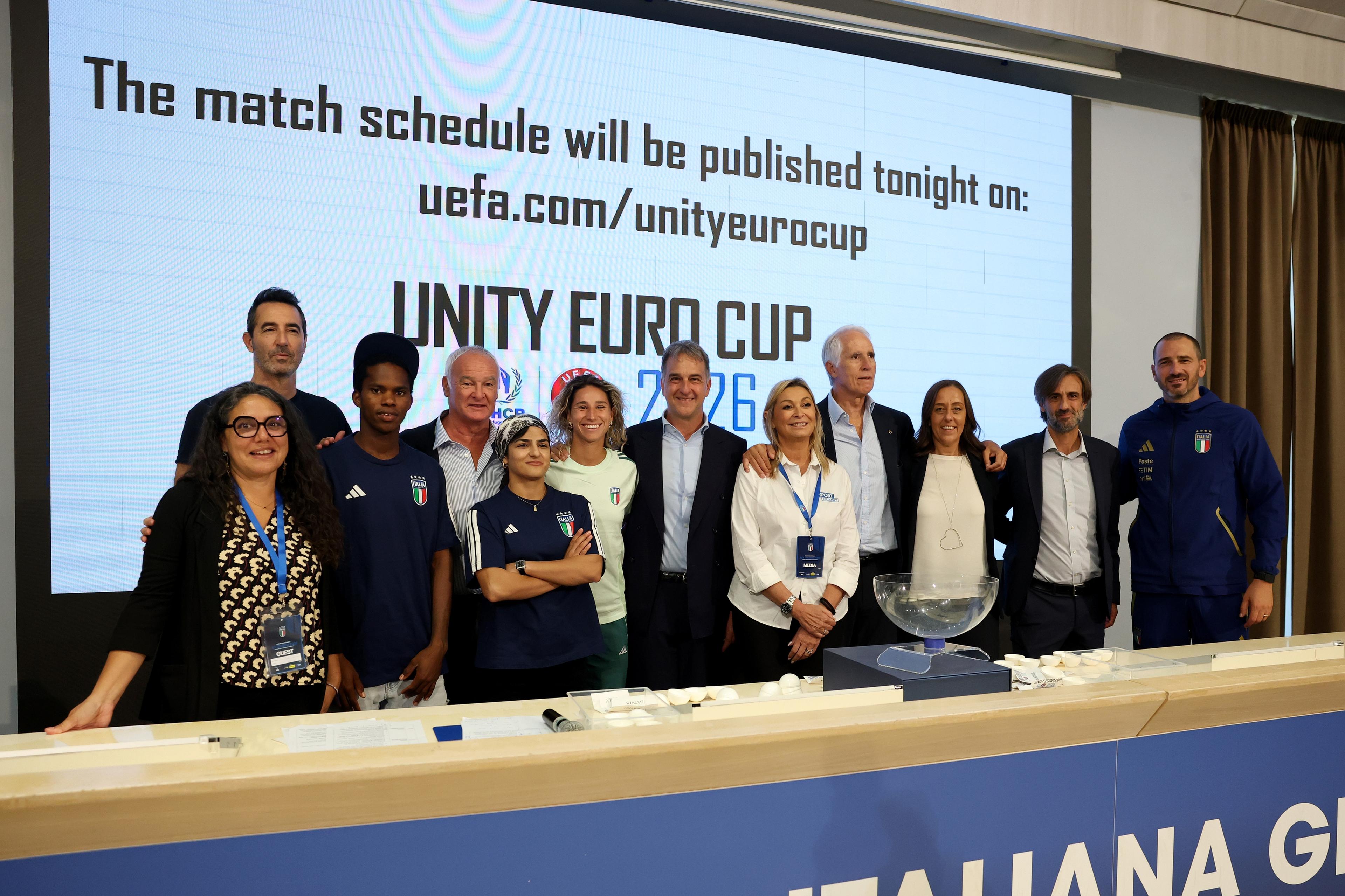
The draw for the Unity EURO Cup 2026, the fifth edition of the UEFA competition dedicated to refugees and their host communities, and organised in collaboration with UNHCR (United Nations High Commissioner for Refugees), was held today in the Aula Magna at the Coverciano Technical Centre. The initiative aims to use football as a tool for social inclusion.
The draw ceremony was attended by FIGC president Giovanni Malagò, UEFA executive director Michele Uva, Florence mayor Sara Funaro, president of the Tuscany Region Eugenio Giani, Barbara Molinario and Filippo Ungaro of UNHCR. The latter explained that the teams taking part in the tournament will be made up predominantly of refugees, but will also include representatives from local communities, helping to promote the integration process.
The following individuals took part in the draw: Claudio Ranieri, FIGC technical director and president of Club Italia, Emma Severini (Italy women's national team player), Leonardo Bonucci (technical staff member of Italy head coach Roberto Mancini) and, representing Refugee Team Italy, Fatima Haidari (captain of the Afghanistan women's national team and Unity EURO Cup player) and Ousmane Diakité, who is from Mali. Diana Bianchedi, head of delegation of the senior national team, was also present at the ceremony.
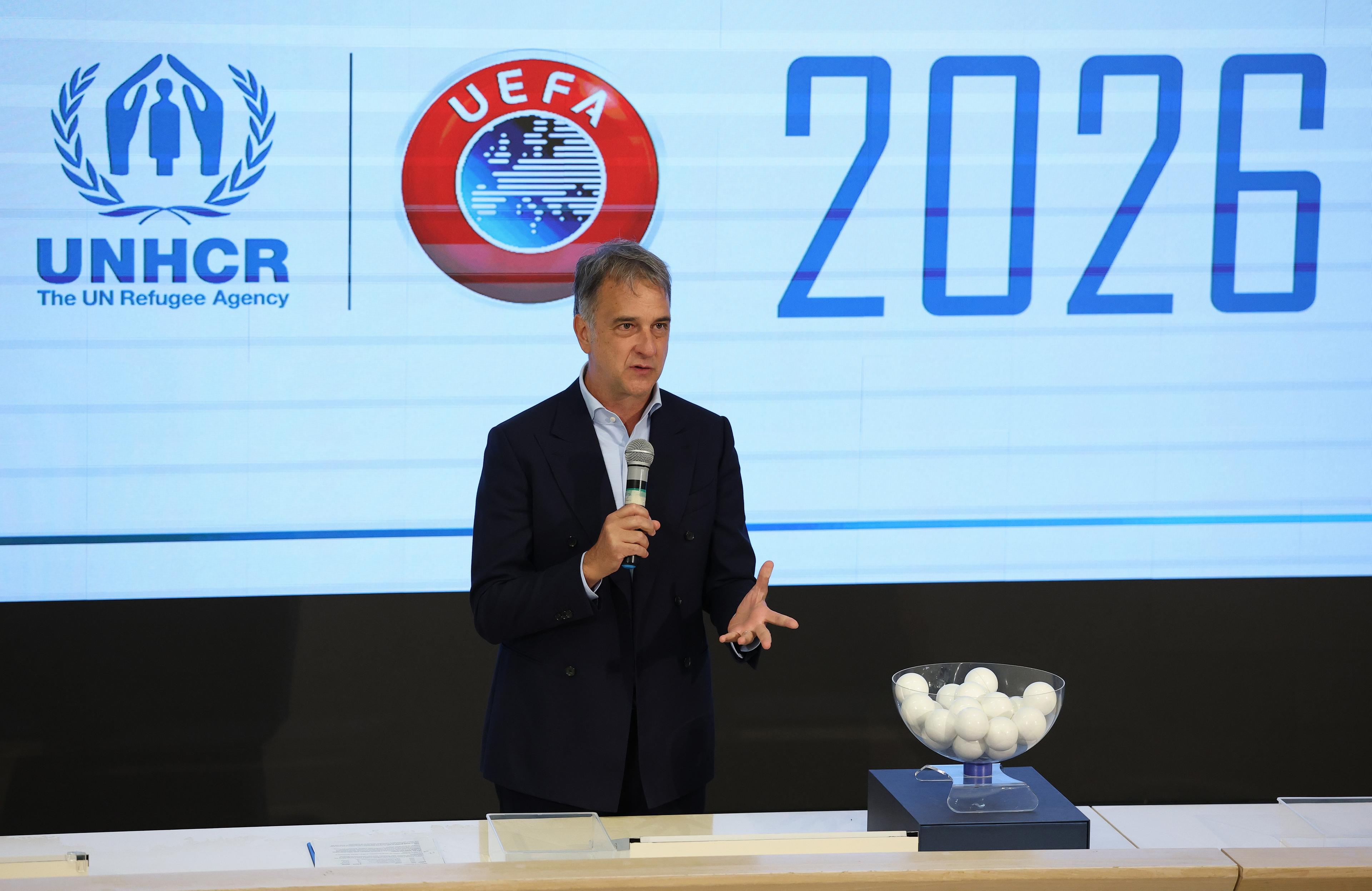
The proceedings were opened by Michele Uva, who was instrumental in establishing the tournament, together with Filippo Grandi (former United Nations High Commissioner for Refugees). The Unity EURO Cup has been held every year since 2022 and has always featured an Italian team. This year, the tournament will be hosted by Italy for the first time, with the event taking place on 15 October at Coverciano, the home of the Azzurri national teams. “We started with eight teams,” said Uva, “and this year we have reached 22. We are grateful to FIGC for making Coverciano available to us: this event will be enriching for everyone, ourselves included.”
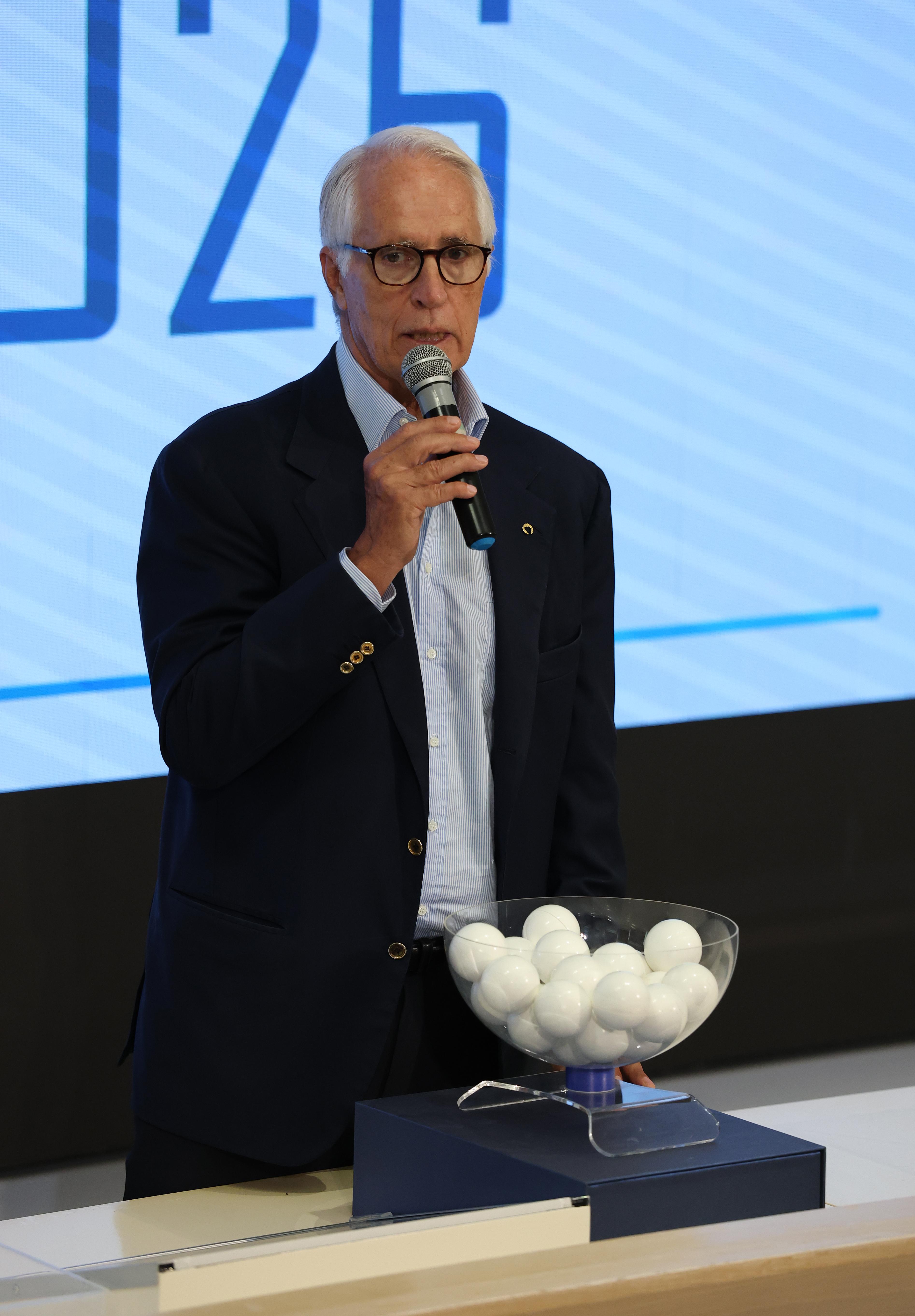
Uva then handed over to FIGC president Giovanni Malagò: “I would like to thank everyone who has worked to ensure that a wonderful example of inclusive football can take place in the home of Italian football. Sport is an extraordinary vehicle that helps us welcome, share and value every experience.” “We will share some moving moments at Coverciano,” added Florence mayor Sara Funaro, “and meet some special people, some of whom I am fortunate enough to already know personally. Florence, after all, has always been very sensitive to the issue of refugees.”
Albania, Armenia, Austria, Belgium, Czechia, Finland, France, Germany, Greece, Northern Ireland, Italy, Latvia, Lichtenstein, Malta, the Netherlands, Poland, Republic of Ireland, Romania, Slovenia, Spain and Switzerland have entered the Unity EURO Cup 2026, all represented by European national federations. There will also be a European Union representative team. Around 400 people, including players and staff members, are therefore expected at Coverciano.
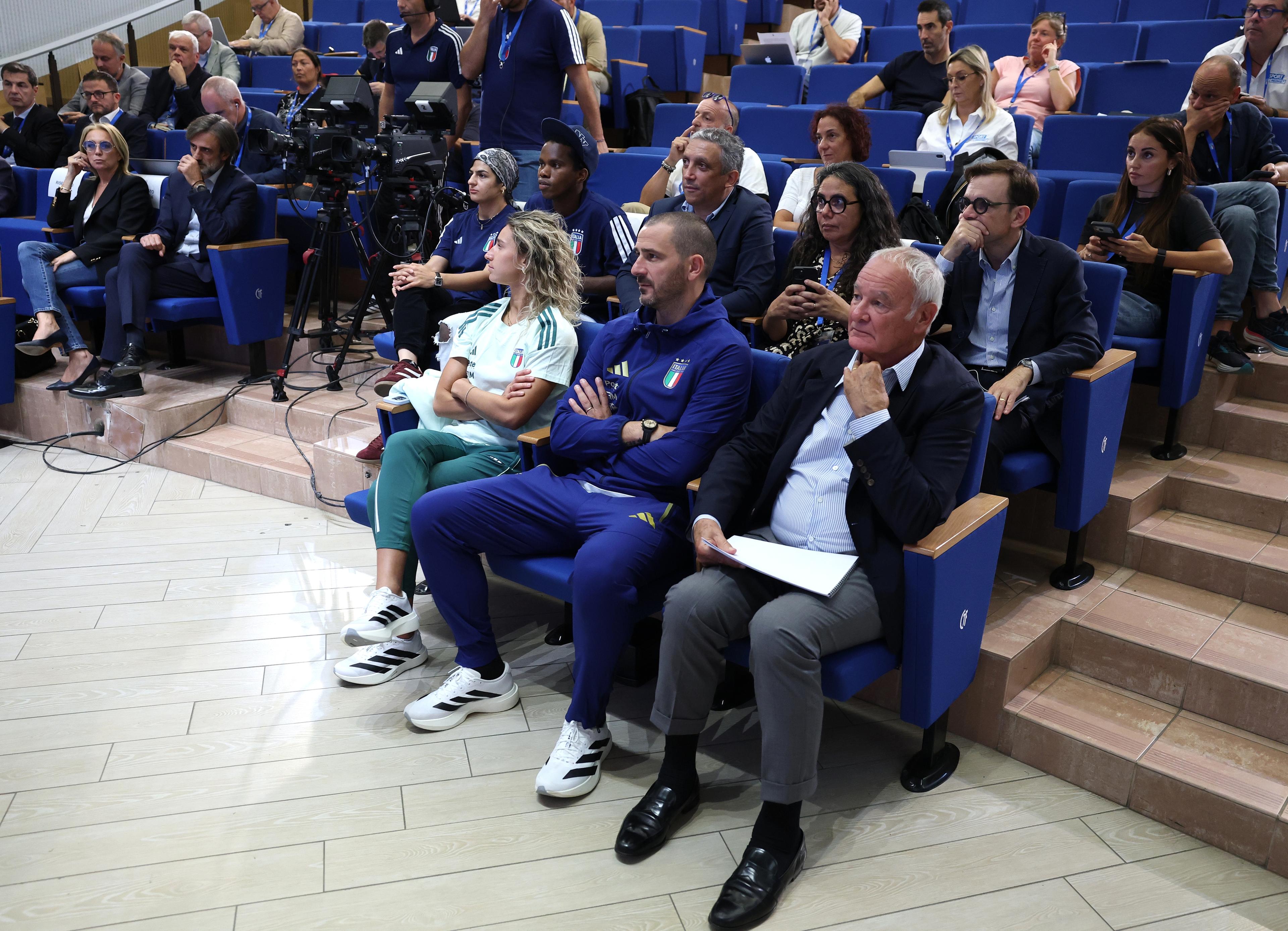
Given the high number of teams entered, a ‘European cup-style’ format has been adopted, with a league phase in which each team will play three matches. Italy were drawn in position number ten, with their three opponents to be revealed by UEFA on their website by the end of the day: uefa.com/unityeurocup. The league-phase matches will produce an overall standings table, with the top four teams qualifying directly for the quarter-finals. The teams finishing from fifth to twelfth will participate in a play-off to determine the other four quarter-finalists. The semi-finals and final will follow.
The build-up to the event forms part of the objectives of Policy 6 (Support for Refugees) of the FIGC Social and Environmental Sustainability Strategy, in line with the UEFA Social and Environmental Sustainability Strategy. It reflects FIGC’s commitment to using football as a driver of social integration and the building of increasingly inclusive, welcoming and united communities.