

PHOTO
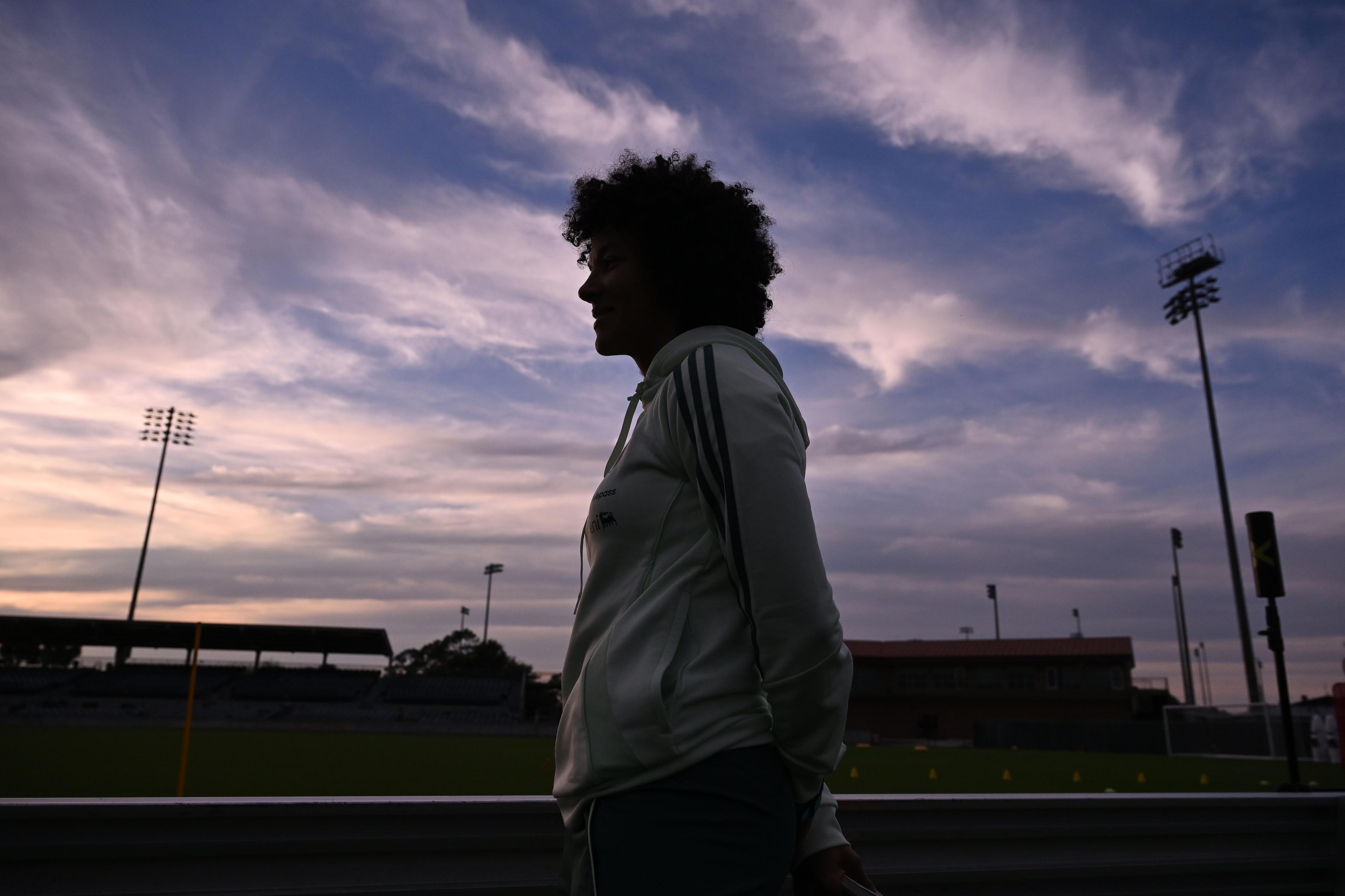
Football was her chosen travelling companion and the means through which she chased dreams and milestones – first on the pitch and now in her career off it. For Sara Gama, the ball has been the common thread that has allowed her to experience indescribable emotions while pursuing her great passion, as she herself highlighted on 28 April last year, the day she decided to begin her second life. “It was an important transition,” explained the former Juventus and Italy captain to Vivo Azzurro TV. “My routine has changed: I miss the pitch and my teammates, but I’m happy to have more time for the various institutional roles I hold.”
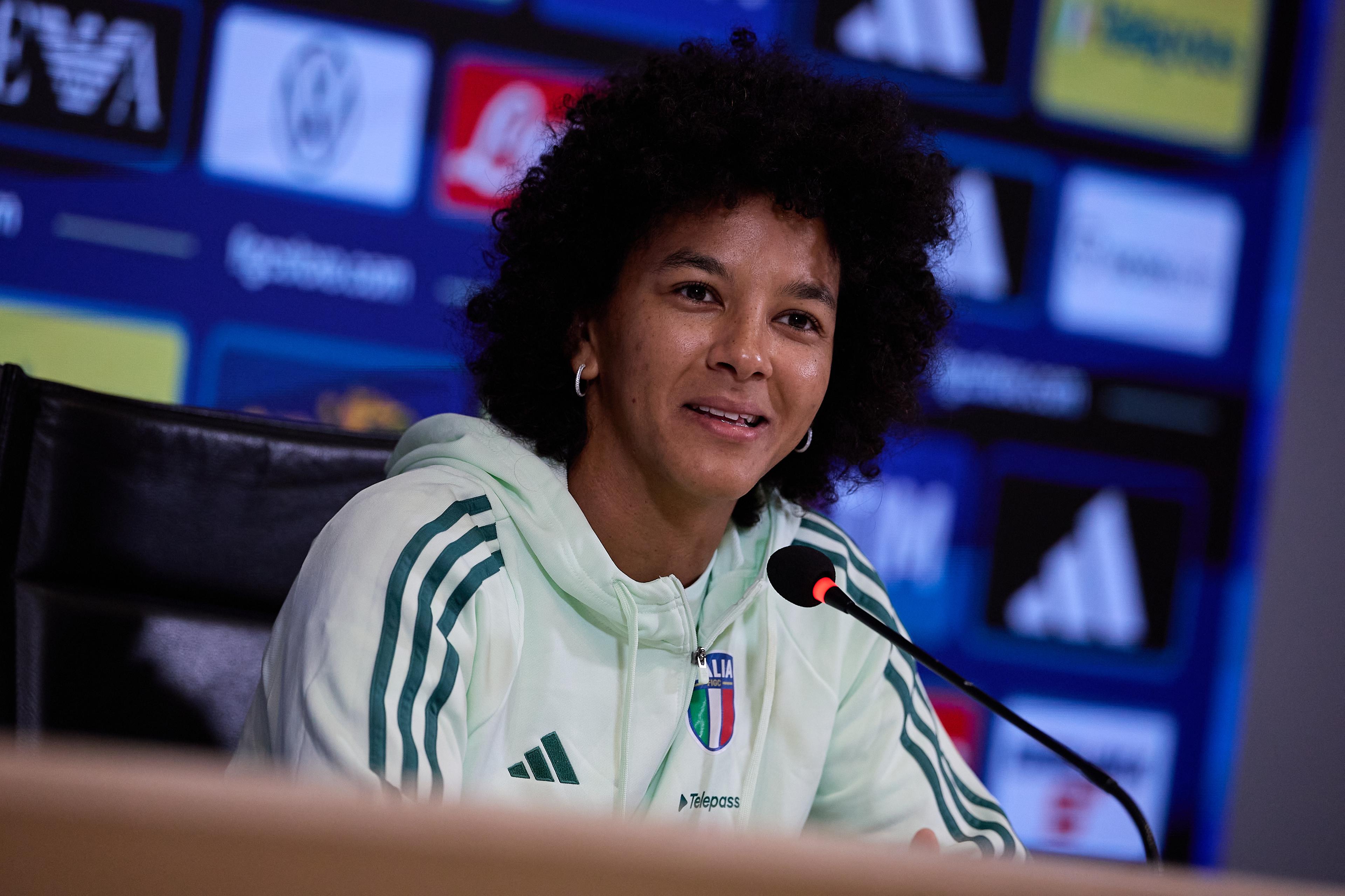
Vice-President of the Italian Footballers’ Association since 2020 – the first woman ever to be elected to the position – Gama rejoined the Federal Council in February and was appointed as the new Head of Delegation for the Azzurre in October, thus returning to Coverciano, her home. These are the roles that allow her to continue contributing to the development of women’s football in Italy, while also supporting the national team staff and players. “I’ve achieved a lot and, at the moment, I’m certainly not short of adrenaline – quite the opposite. I’m doing well without the pressures of competition and of having to step onto the pitch to win, as I did with every team I played for. And then there’s the pressure I put on myself: lately, victories also meant having more political weight and, as a result, more strength to carry certain battles forward. Wins had a double meaning for me.”
THE WOMEN’S GAME: PLAYERS, SCHOOLS AND LOCAL COMMUNITIES
“We’ve developed the top level, now we need to focus on the grassroots.” With the same practicality that has marked her entire career – highlighted by 19 trophies with club and country, and enriched by experiences in Los Angeles and Paris – Gama assesses the state of Italian women’s football, starting from an undeniable fact. “The results are clear and tangible. I’m thinking of the 2019 World Cup, which we reached after a 20-year absence, and last summer’s European Championship, following two tournaments in which we didn’t perform well. The journey to EURO 2025 was remarkable, but it shouldn’t surprise anyone: together with the successes of the youth national teams and the fact that we now have three teams eligible for Champions League qualification, it shows just how much Italian football has grown.”
But now, to close the gap with the leading countries, a new push is needed. “We have a shining star, but to make her shine even brighter and aim for international success, we need to increase the number of registered players. To achieve this, we have to work locally with the FIGC’s Youth and School Sector and with the National Amateur League, creating more football schools for girls and more first teams for adult women. It will be crucial to raise awareness and promote the game, for example by having players visit schools, so that young people can see firsthand what women’s football is all about.”
AZZURRE EMOTIONS AND HER RELATIONSHIP WITH SONCIN
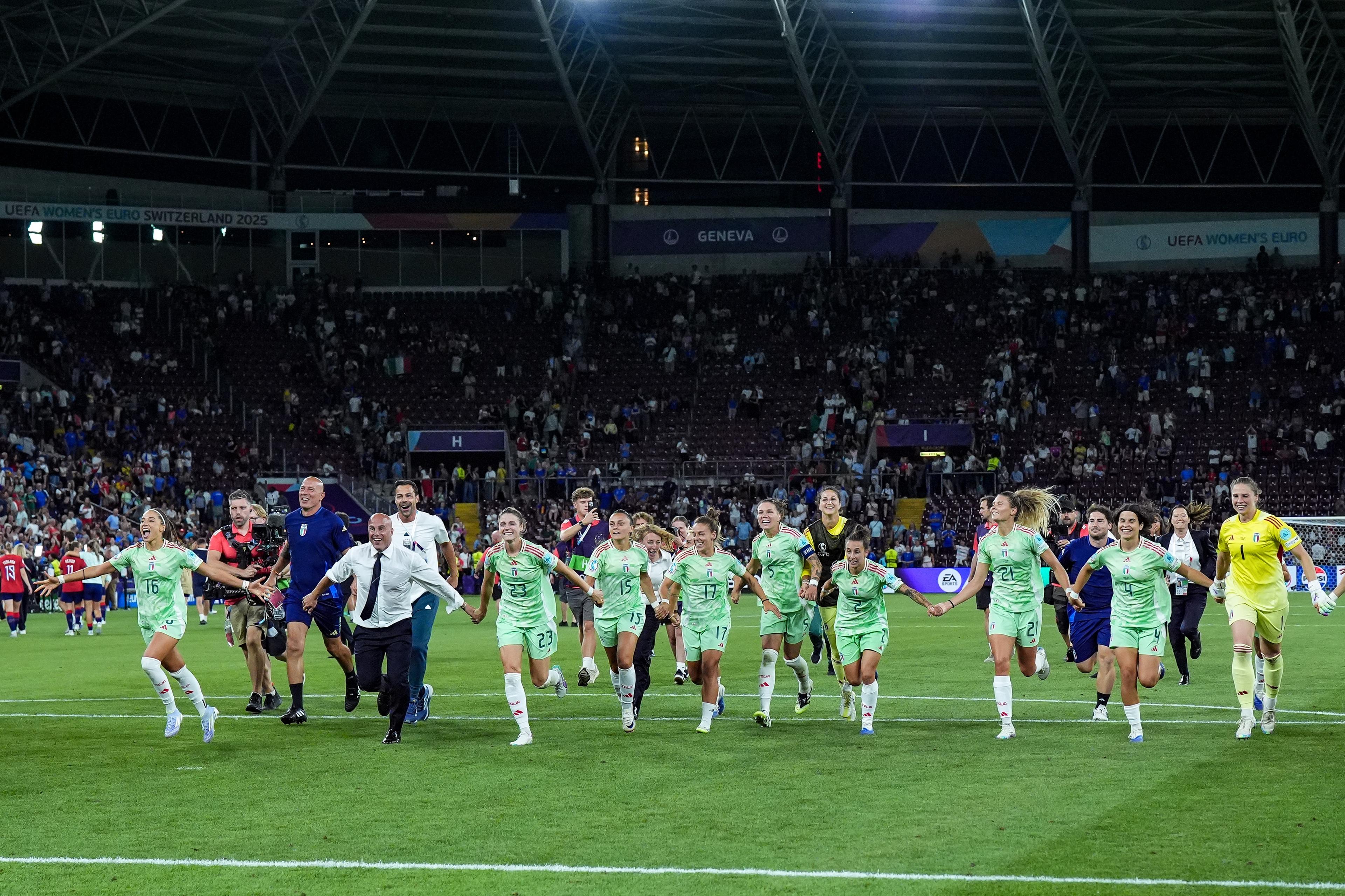
The bond between ‘Speedy’ – as her former teammates call her – and the National Team is unbreakable, made even more special by the victory at the 2008 European Under-19 Championship (Italy’s only title at that level) and her 140 appearances with the senior squad. She was chosen as the new Head of Delegation by FIGC President Gabriele Gravina – a term she insists on using in the feminine form (Capa Delegazione), because, as she says, “language helps to shape reality.” After the October friendlies and the US tour last year, she will also help guide the team from March onwards in the lead-up to the 2027 World Cup. “Now, we must keep our feet on the ground and work to continue growing, both on the pitch and across the game as a whole. We must aim to win trophies: we are Italy, and that has to be our goal.”
A change of pace for the Azzurre came with the appointment of Andrea Soncin in September 2023. “I have an excellent relationship with the Head Coach. We met when he arrived and I returned to the national team, at a particularly significant moment in my career. When the time came for me to retire, I called him, and he was there for me, guiding me through the steps I needed to take. I really appreciated that.” Sensitivity, hard work, and trust – these are the ingredients Gama believes explain the Soncin’s success. “They’re the ‘tools’ that work in any context and that then generate everything else. The coach and his staff have also invested a great deal of energy in team-building activities, something the players really value, as it allows them to have fun and feel good together.”