

PHOTO
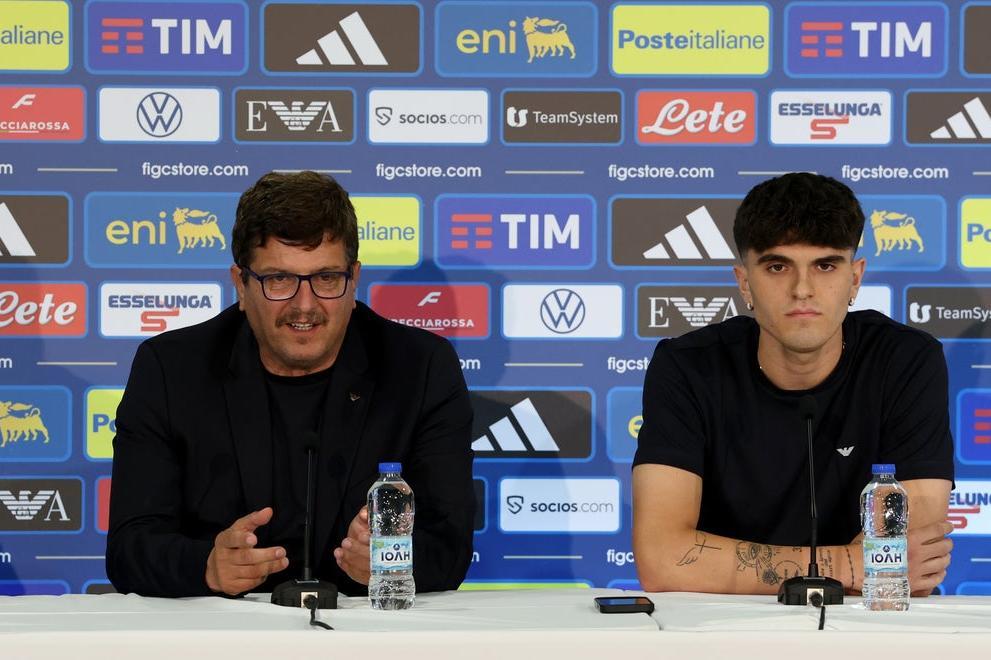
The coming-of-age journey of Silvio Baldini’s young Italy side continues with their next test in Greece. After the win in Luxembourg, the Azzurri will be back in action tomorrow evening (21:00 CEST, 22:00 local time – referee Frid of Israel) at the Pankritio Stadium in Heraklion, on the island of Crete, where they will face Greece in an international friendly. On paper, the hosts represent a tougher challenge than Luxembourg. Greece sit 47th in the FIFA rankings and come into the match after recovering from two goals down to draw 2-2 with Sweden in a friendly played on Thursday in Solna. “I expect to see the same things we showed against Luxembourg,” Baldini stated. “Although Greece are a stronger opponent, the boys must stay calm and express all of their technical quality.” The head coach is encouraged by what he has seen so far. “These are great guys,” he added during his press conference. “They joke around in their free time, but when it’s time to train, they give everything.” Several members of the squad, in Baldini’s view, have the qualities required to remain part of the senior national team setup. “One of them is sitting right next to me,” he said, referring to Bartesaghi. “He has matured enormously over the past year. There are others as well, but the evaluations will depend on whoever arrives next and on their vision of football. Whoever takes over must understand that young players are a resource, not a liability.” For Baldini, who will resume Italy U21’s European Championship qualifying campaign in October, these two matches with the senior national team will remain a source of immense pride. “My greatest memory will be having represented my country – a national team that has won four World Cups.”
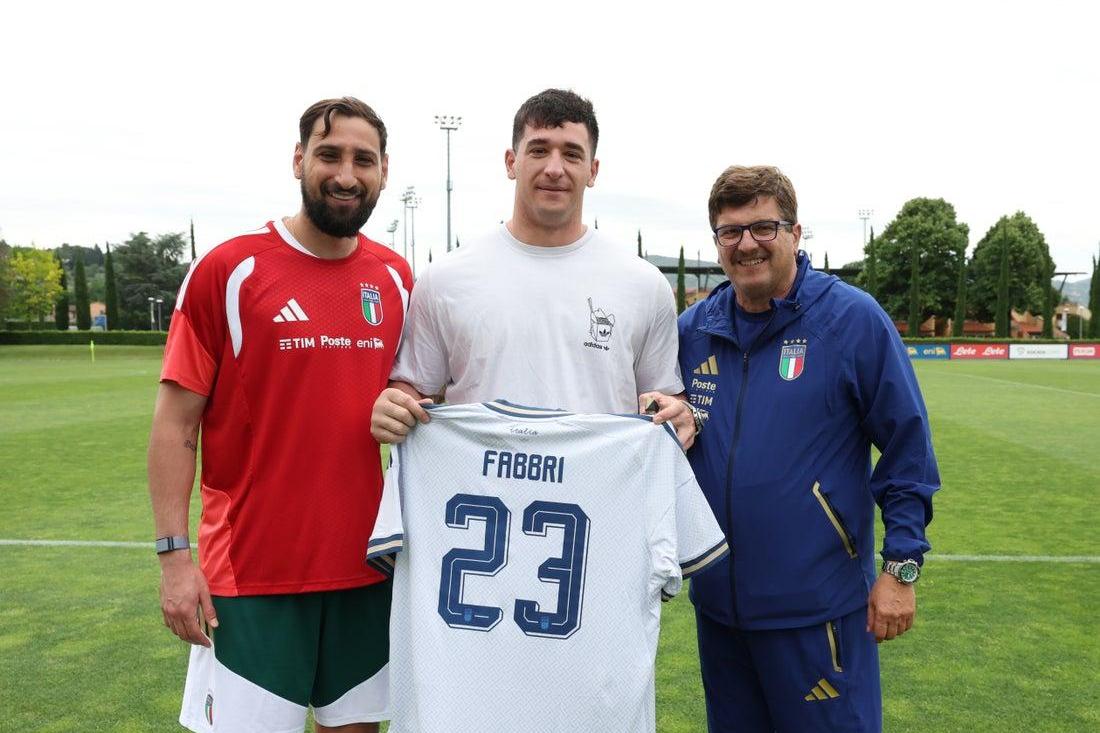
THE DECLINE OF ITALIAN FOOTBALL. Asked by a Greek journalist why Italy have failed to qualify for the last three World Cups, Baldini offered a frank assessment. “We went through a decline. We failed to realise that our football was heading towards problems. We no longer had the same generational turnover, nor players of the quality we once had. Because we did not understand this, we also failed to understand how to improve our youth systems, which became more focused on business than on developing players from a technical standpoint.” According to Baldini, one issue lies at the heart of Italian football’s struggles. “Players spend too few hours training, especially in youth academies. Let me give you two examples. At the last Olympics, Brignone won two gold medals after recovering from injury. Look at how many hours a day she trained to reach that event and perform at her best. In tennis – where tomorrow another Italian will play in the Roland Garros final – look at how much they train and how many hours they dedicate to physical preparation. If our footballers trained even a third as much as these athletes, they would be far stronger. These boys are lucky if they reach two hours of training a day. And within that time there is warm-up work, breaks in play and often not enough intensity.” Baldini then pointed to a former Italy coach as an example. “A coach who almost always finishes first or second is Antonio Conte. Why does he win? Because he has a methodology. If youth football does not return to understanding that methodology is not just about teaching technique or crossing, but about teaching a way of life, then we will not get anywhere. Young people should be practising sport before going to school, as happens in other countries.”
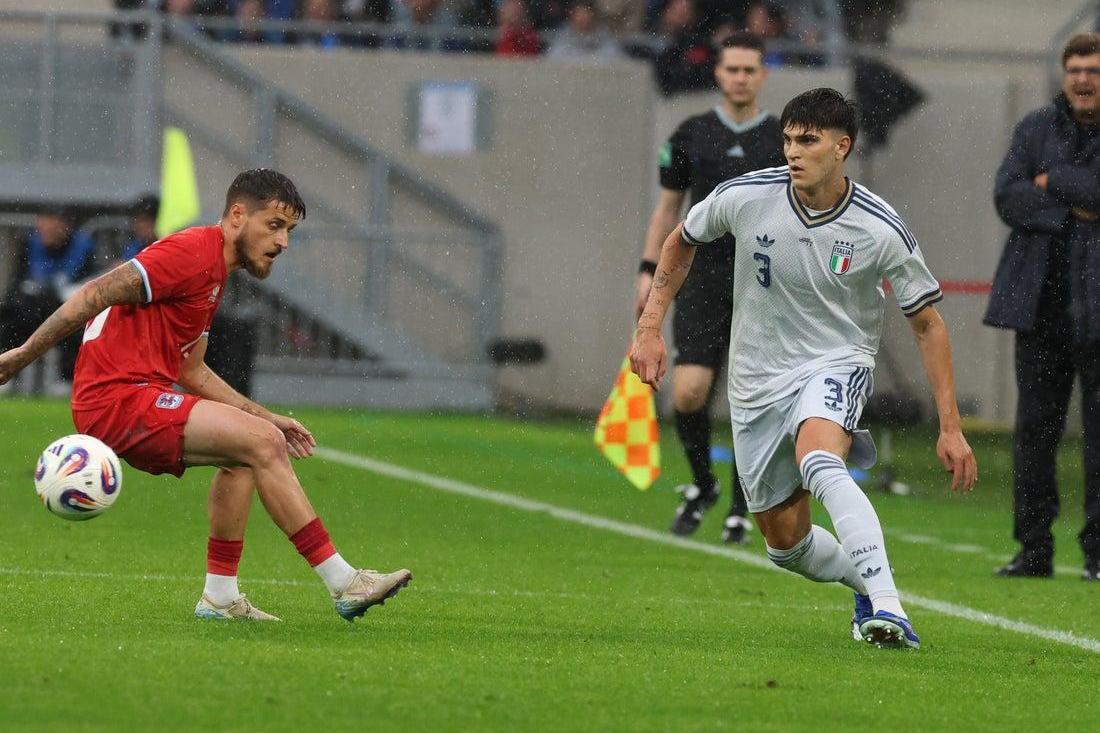
BARTESAGHI’S SPECIAL MOMENT. One of the players who made his senior Italy debut in Luxembourg was Davide Bartesaghi. For the AC Milan defender, born in 2005, it was a major milestone after a season that ended with the disappointment of missing out on Champions League qualification. “My debut for Italy was a huge achievement and an incredible emotion for me, just as it was for my teammates,” said Bartesaghi. “Tomorrow we’ll play a great match because we’re a good team and, above all, because we’re a great group.” That positive atmosphere starts with the head coach. “I thank the coach for his kind words. He and the staff give us confidence and focus. They tell us to go onto the pitch with a clear head and enjoy ourselves. The results will take care of themselves.”
SQUAD LIST
Goalkeepers: Giovanni Daffara (Avellino), Gianluigi Donnarumma (Manchester City), Lorenzo Palmisani (Frosinone);
Defenders: Honest Ahanor (Atalanta), Davide Bartesaghi (Milan), Fabio Chiarodia (Borussia Monchengladbach), Pietro Comuzzo (Fiorentina), Costantino Favasuli (Catanzaro), Niccolò Fortini (Fiorentina), Filippo Mane (Borussia Dortmund), Luca Reggiani (Borussia Dortmund);
Midfielders: Tommaso Berti (Cesena), Matteo Dagasso (Venezia), Giacomo Faticanti (Juventus), Luca Lipani (Sassuolo), Cher Ndour (Fiorentina), Niccolò Pisilli (Roma);
Forwards: Alessio Cacciamani (Juve Stabia), Francesco Camarda (Lecce), Jeff Ekhator (Genoa), Francesco Pio Esposito (Inter), Seydou Fini (Frosinone), Samuele Inacio (Borussia Dortmund), Luca Koleosho (Paris FC).