


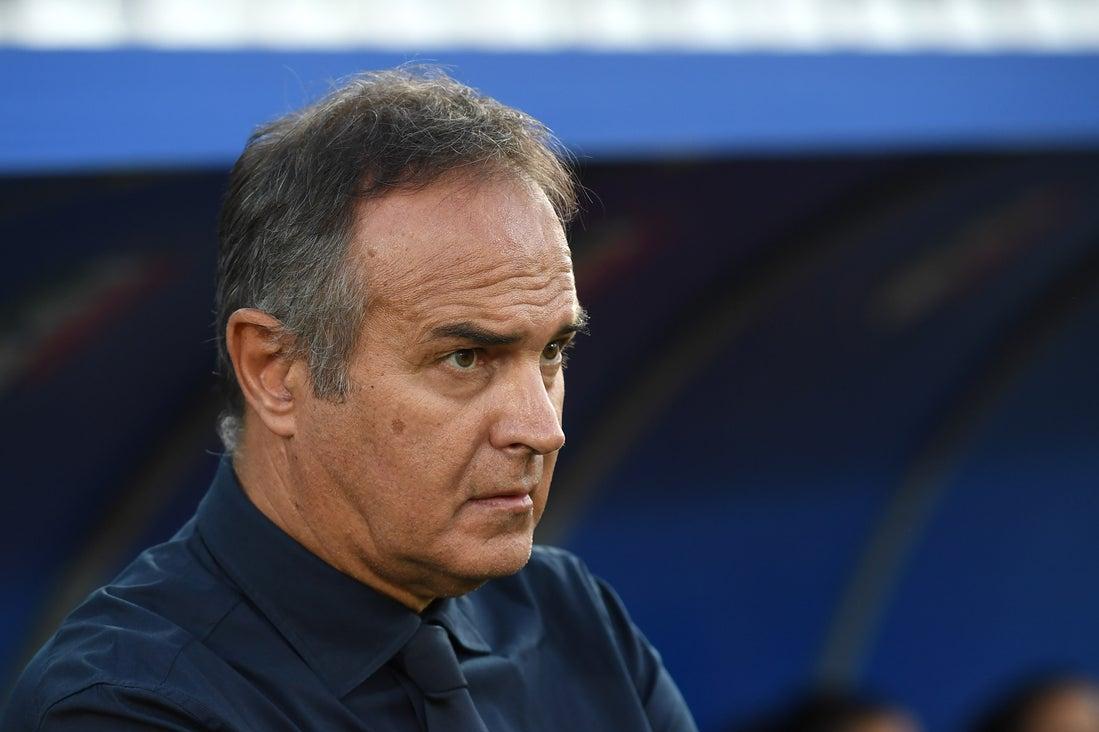
PHOTO
From zero to hero. For Antonio Cabrini, along with millions of Italians, 11 July 1982 remains an unforgettable date. At Madrid's Santiago Bernabéu, with President Sandro Pertini watching on, Italy were crowned world champions for the third time. But an hour and a half before lifting the trophy, the former Azzurri full-back experienced every footballer's worst fear: missing a penalty in a World Cup Final. "It was a difficult moment," Cabrini recalled. "It was the World Cup Final, the score was still 0-0. Before we went back out for the second half, Bearzot grabbed me by the neck, pinned me against the wall and said: 'Maybe you haven't realised it yet, but we're going to win the World Cup because of that missed penalty. Now go out there and play the way you know how.'"
Like many of his former teammates, Cabrini believes the secret behind that triumph was the strength of the group. "We were a strong team, but above all an incredible group. Many people said we only had 12 or 13 world-class players, but that wasn't true: we had 22 players of the highest level." Few members of the squad managed to sleep that night. "Marco [Tardelli], Paolo [Rossi], Scirea, Bruno [Conti] and I sat together in the hotel corridor just looking at each other, repeating: 'We're world champions.' It wasn't until the following day that we truly realised what we had achieved. When we landed at Ciampino there were 40,000 people waiting. From that moment on it was incredible – even going to a restaurant without someone insisting on paying the bill became impossible."
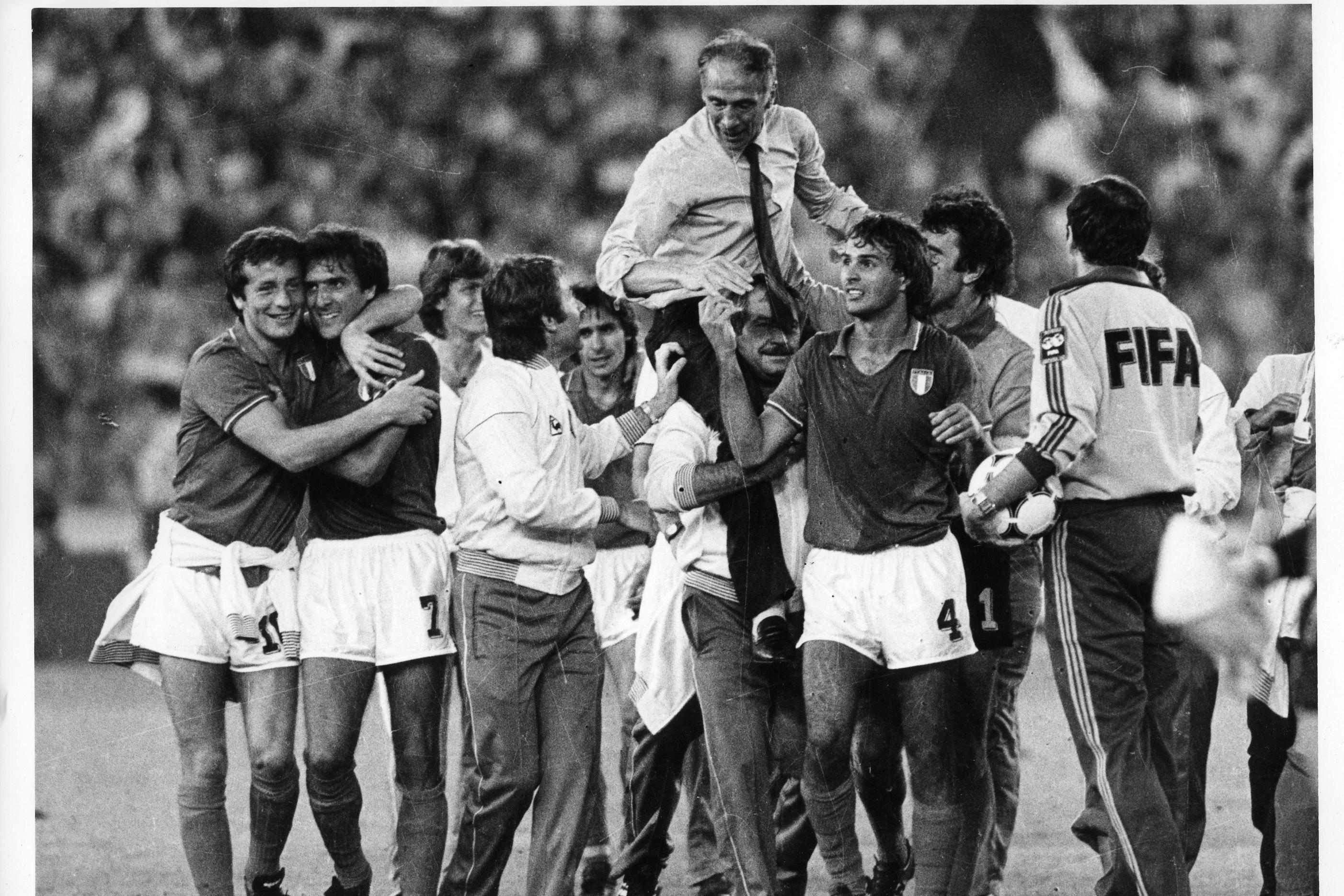
BEARZOT’S LEAP OF FAITH. Cabrini's international career lasted just over a decade, ending in October 1987 in Bern. He made 73 appearances for Italy, captained the Azzurri ten times and, with nine international goals, remains the men's national team's highest-scoring defender. Four years before Spain '82, Enzo Bearzot placed his faith in the promising young defender by selecting him for the 1978 World Cup in Argentina, despite the fact he had not yet made his Serie A debut. It was an extraordinary show of confidence, one that Cabrini repaid with outstanding performances, earning FIFA's Best Young Player award at the tournament. "Bearzot was more than a coach; he was a father to many of us. He always stood up in front of the team and took responsibility himself, whether things were going well or badly."
BRERA AND BELL’ANTONIO. Nicknamed Bell'Antonio, or Italy's Fiancé, because of his undeniable charm, Cabrini spent years balancing the back pages of sports newspapers with the covers of celebrity magazines. "Bell'Antonio came from a phrase used by the great Gianni Brera before my debut at the 1978 World Cup. At first it really annoyed me, but over time I realised I couldn't fight it. Eventually I realised I either had to learn to live with the nickname or keep getting angry every time someone uses it, so I decided to accept it and move on."
HIS FATHER’S ‘INTERVENTION’. Cabrini spent his childhood on his father's farm, around ten kilometres from Cremona. ‘Those were the happiest moments of my life. It was a carefree childhood: I spent my days with the children of the farm workers, who were my age, and we played football all the time." The only problem was that his father, Vittorio, did not approve of his son's passion for football. Unlike most parents, he actually tried to prevent Antonio from being signed after a successful trial. "When I was 14, I went for a trial with Cremonese and it went well. My father was friends with the club's president, Luzzara, and he called him asking him to do him a favour by not signing me. Luzzara was brilliant, however. He replied that I had been one of the best players at the trial and there was no way he was going to leave me without a club."
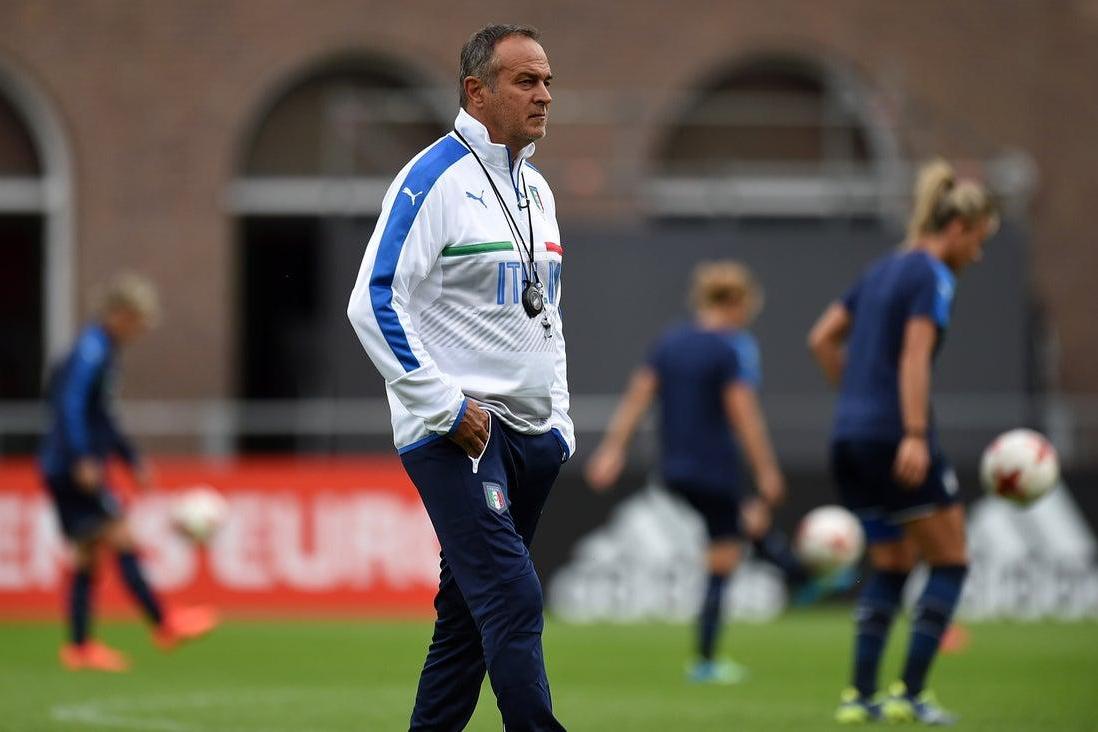
YEARS AS ITALY WOMEN’S HEAD COACH. Before the advent of professionalism in Italian women's football and before the watershed moment of the 2019 FIFA Women's World Cup in France, Cabrini also spent five years as Head Coach of the Italy Women's National Team. "It was a very positive experience. I’d like to think that I deserve some credit for giving the national team greater visibility during those years. The players needed to be seen and recognised, and I tried to give them as much media exposure as possible. The women's game has now evolved and become professional, but there is still a long way to go. It shouldn't be compared with the men's game because they are two different things, just like men's and women's volleyball are different."