

PHOTO
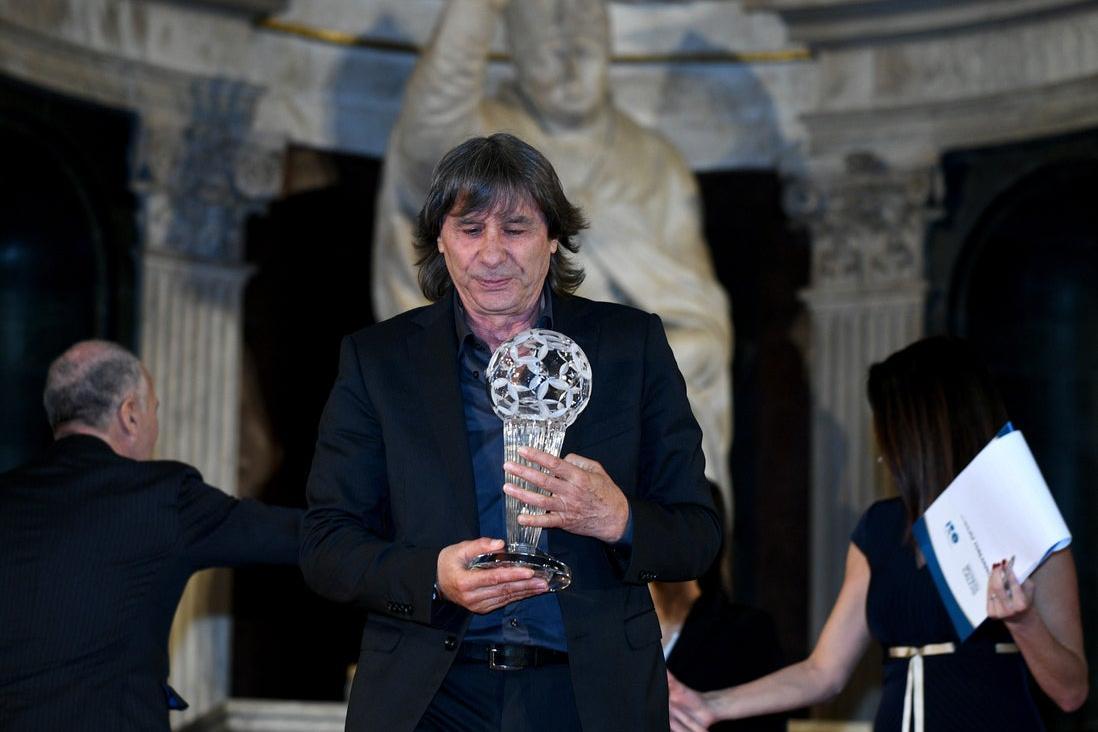
Who knows how Italian sporting history might have changed if Jannik Sinner had chosen ski racing over tennis, if Gianmarco Tamberi had opted for basketball instead of the high jump, or if at 15 years old Bruno Conti – then a promising baseball player – had accepted a scholarship from Santa Monica and moved to the United States to pursue the American dream. We’ll never know, though perhaps that’s for the best.“In the summer I played baseball, in the winter football. I started with the Black Angels,” Conti told Vivo Azzurro TV in an interview with Donatella Scarnati. “I was a pitcher.” The decision that would shape his life – and perhaps Italian football – was made by his father: "Once, this American team, Santa Monica, came on tour to Nettuno. They saw me play, and that evening, while we were having dinner at home, we heard the doorbell ring: it was the president of Nettuno and the president of Santa Monica, who wanted to take me to America. My father, however, said I was too young to go."
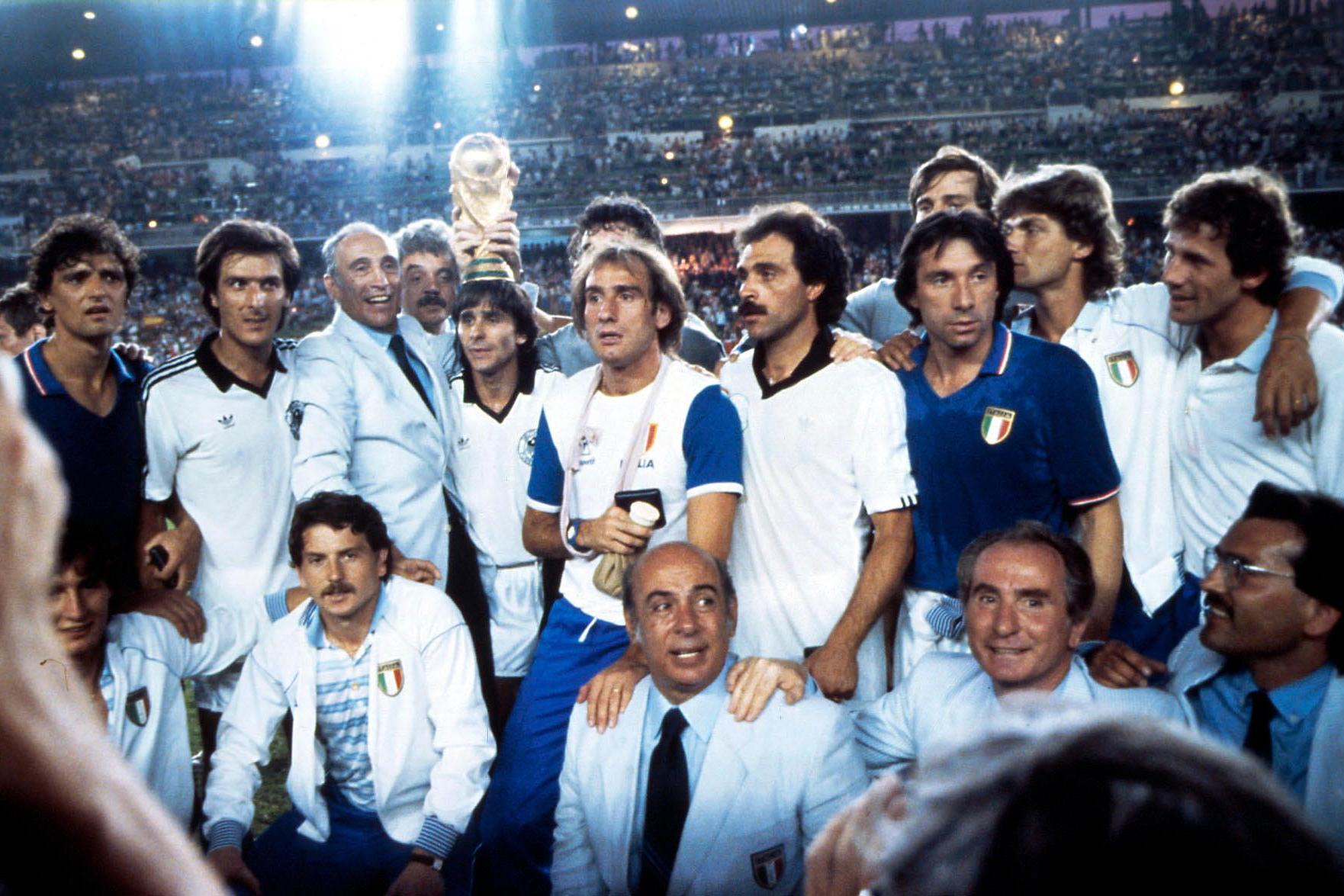
Growing up in Nettuno (“It’s my life, I love it”), Conti experienced a childhood full of both joy and hardship. "My childhood was magical, though full of challenges – growing up in a family of seven children isn't easy. I worked in my aunt Maria's shop and delivered gas cylinders on my bicycle before heading to training in the afternoons. When I brought home five lire, I was proud because I knew I'd made my small contribution." Years later, he brought home the World Cup: "When I returned to Nettuno after the World Cup, I felt like I was the Pope. They picked me up at home in a convertible, with me standing on the seat waving. There were people everywhere; seeing friends I grew up with kissing my hands was extraordinary."
DESTINED FOR ROMA. “There’s only one Bruno, and he comes from Nettuno” sang the Roma fans, the club he served for most of his career (402 appearances, 47 goals), helping them to a second Scudetto. He narrowly missed out on lifting the European Cup with the club, but his bond with the Giallorossi continued even after he hung up his boots, including in his roles as coach and manager. Yet his path began with rejection: "Roma, Bologna, and Sambenedettese all rejected me. They said, 'He's technically good, but not physically ready.' But I didn’t let that stop me, and the next day I was back on the street playing with friends. For me, sport was fun." Like many romances, his love affair with Roma blossomed in the summer: "There were famous tournaments held in Nettuno, and one day, Antonio Trebiciani, who coached Roma's Primavera team, came to watch a match. Later that same evening, the president of Anzio called me and told me Roma wanted to sign me. When I told my father – a huge Roma fan – he couldn't believe it."
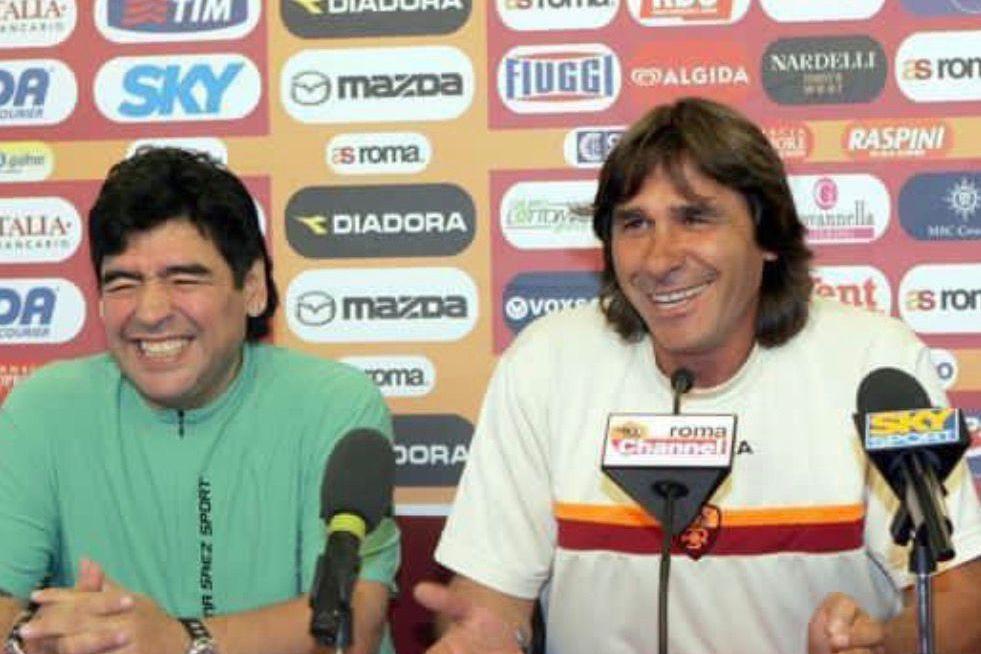
“MARAZICO”. After Italy’s triumph at the 1982 World Cup in Spain, Conti received the ultimate praise from the king. Not the Spanish monarch Juan Carlos, but Edson Arantes do Nascimento, known simply as Pelé: “Conti was the best player of the tournament.” “We're talking about Pelé here, O Rei. It was unbelievable." A nickname blending Maradona and Zico – “Marazico” – captured his extraordinary talent. “Every time we hugged before a match, Maradona would whisper for me to join Napoli. My love for Diego goes beyond everything.”
MAKING ROOM FOR THE NEXT GENERATION. De Rossi, Florenzi, Pellegrini, Aquilani, Politano, Scamacca, Frattesi, and Calafiori are just some of the young players Bruno Conti has helped launch. His impact on Italian football extended well beyond his playing days: "Today, physicality is often valued over technique. From the Under-10s to the Under-14s, we need educators, not just coaches; people who teach the fundamentals of football, the technical aspects. My greatest satisfaction wasn't winning titles, but seeing players like Totti, De Rossi, and Aquilani reach the first team. That was my goal. We must invest in youth teams and believe in our players.”
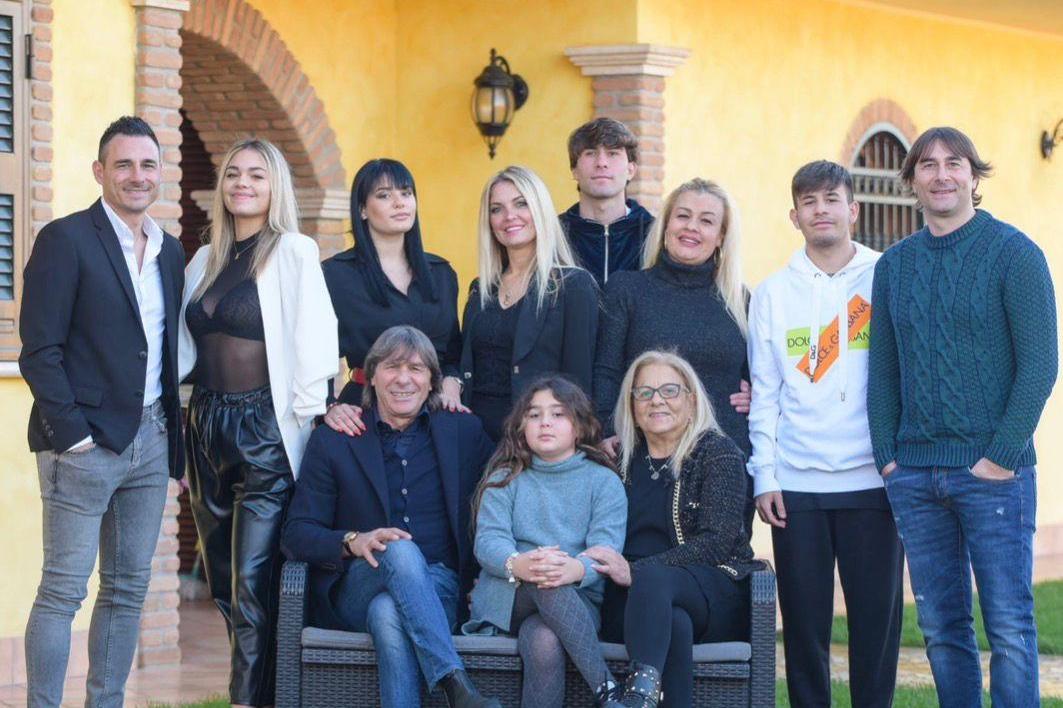
BATTLES OFF THE PITCH. Not all of Conti’s toughest opponents were on the field. “Three years ago, I was diagnosed with lung cancer. At first I didn’t feel like doing anything,” he admitted. “My strength came from my family.” Above all, from his wife: “She gave me incredible support – I owe her everything.”