PHOTO
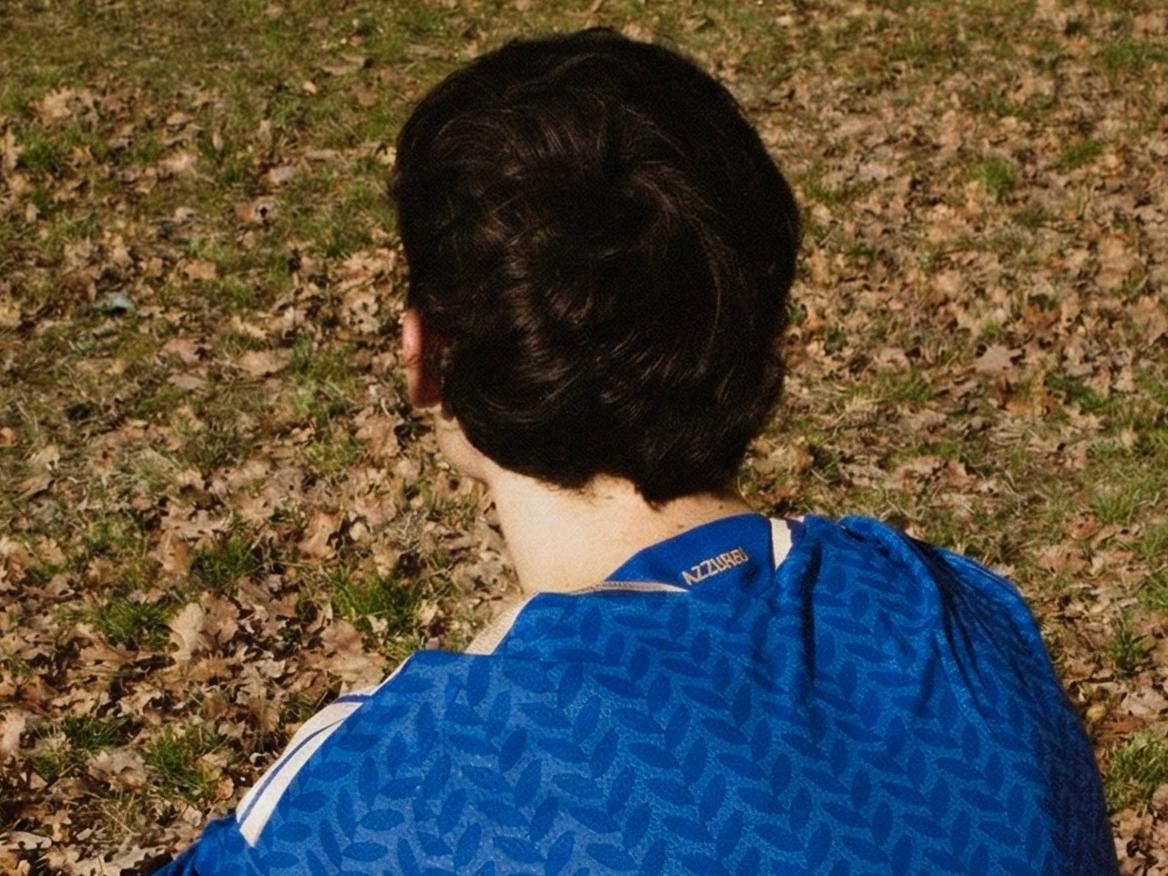
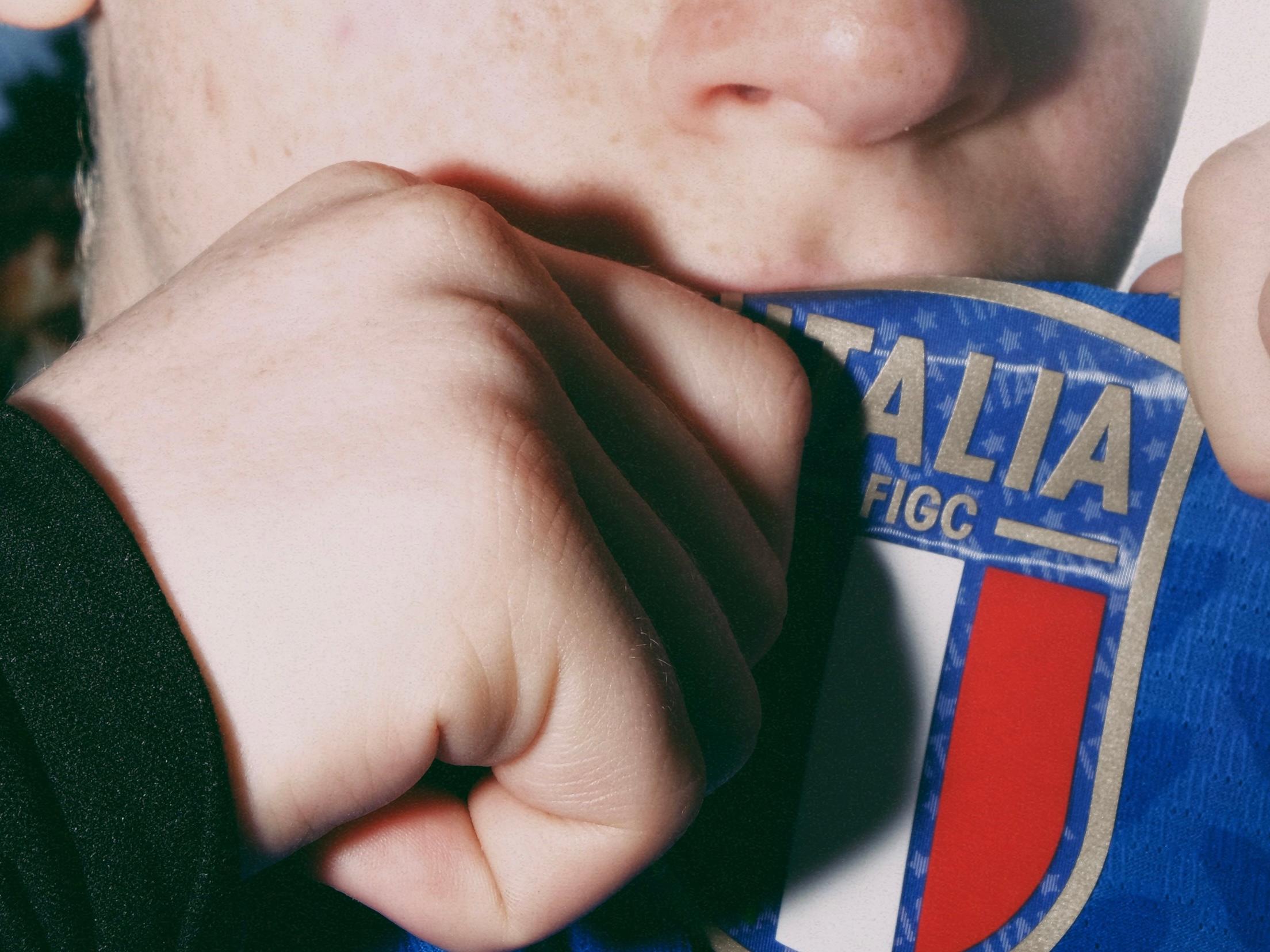
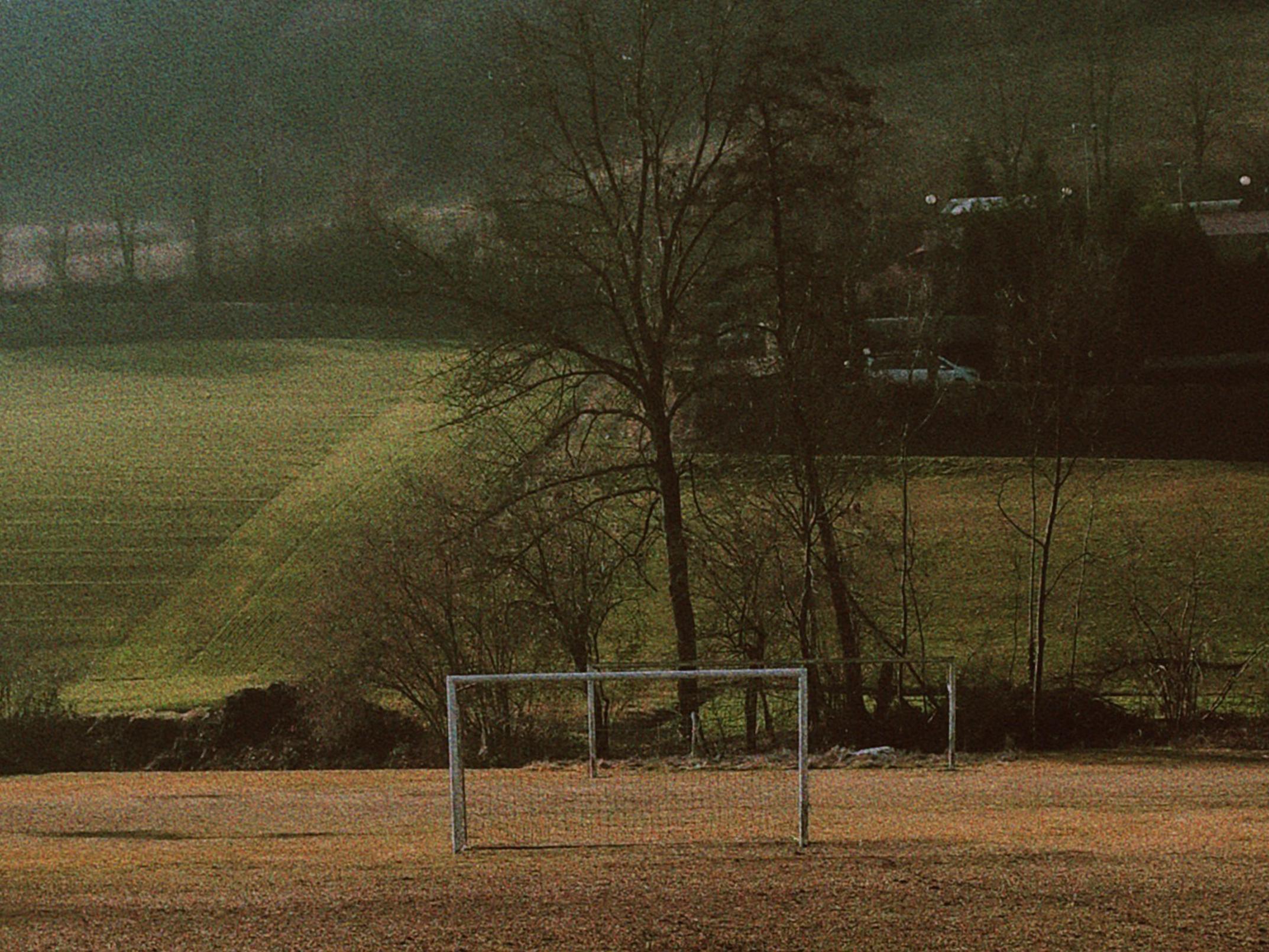
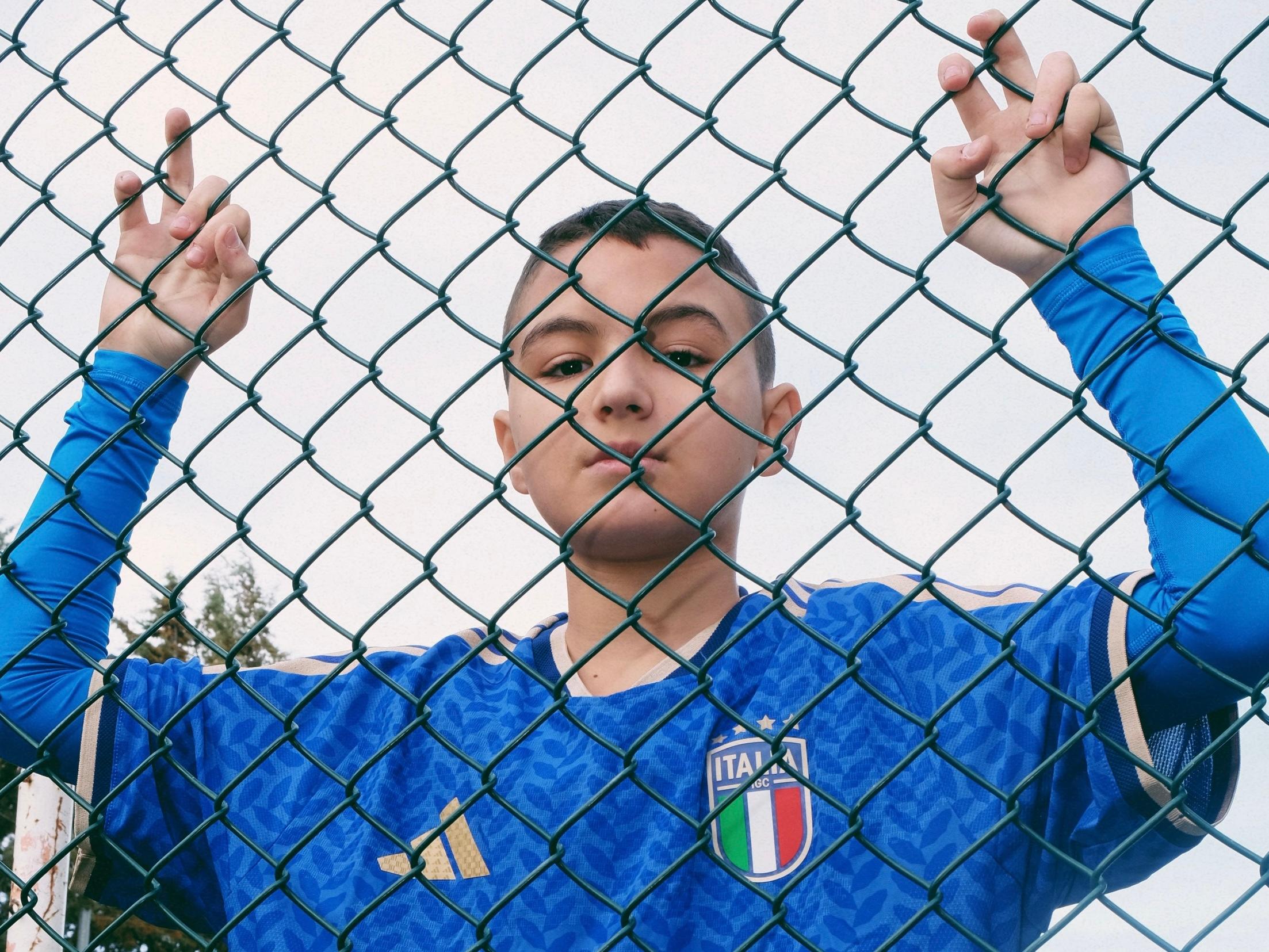
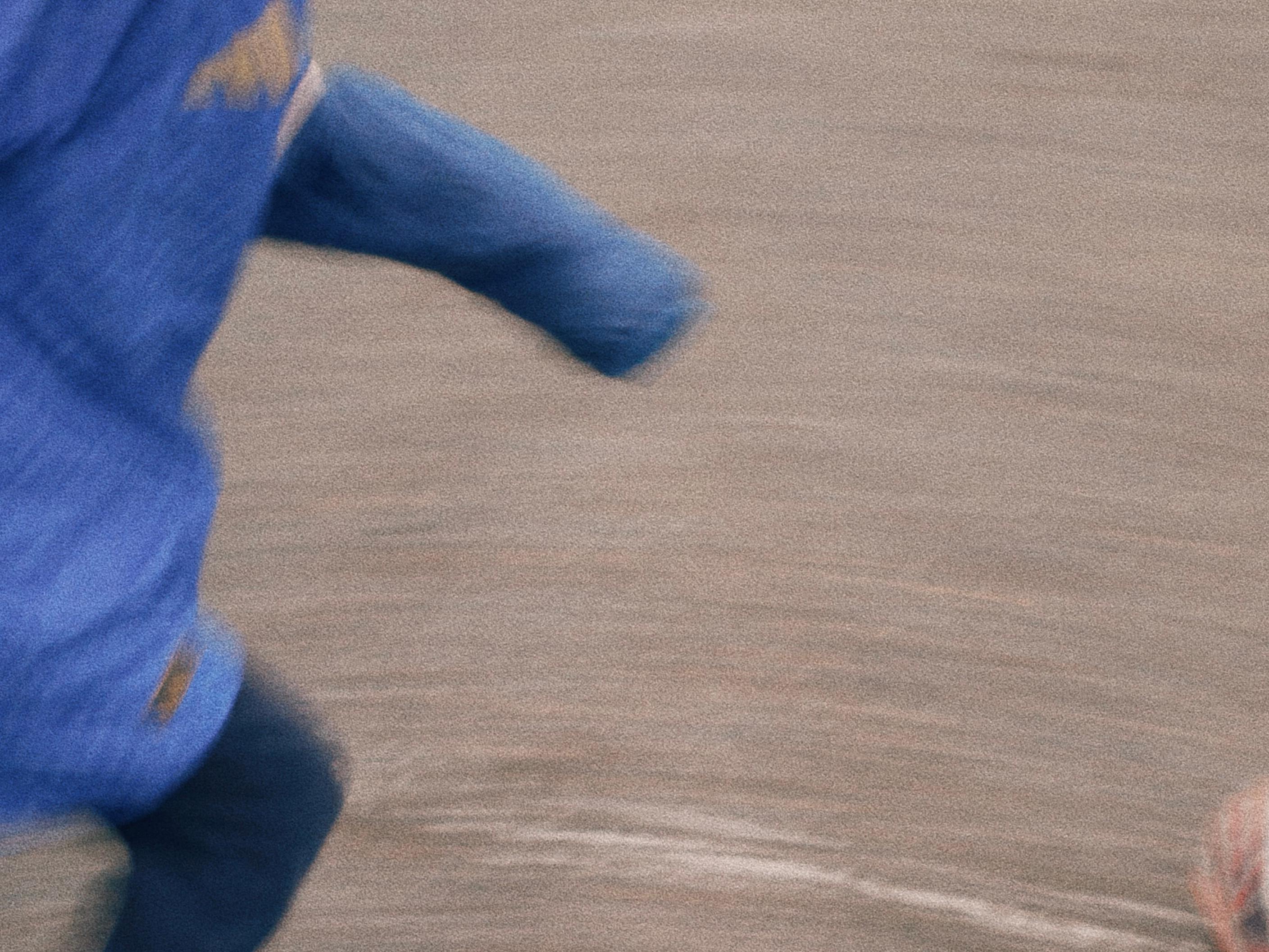
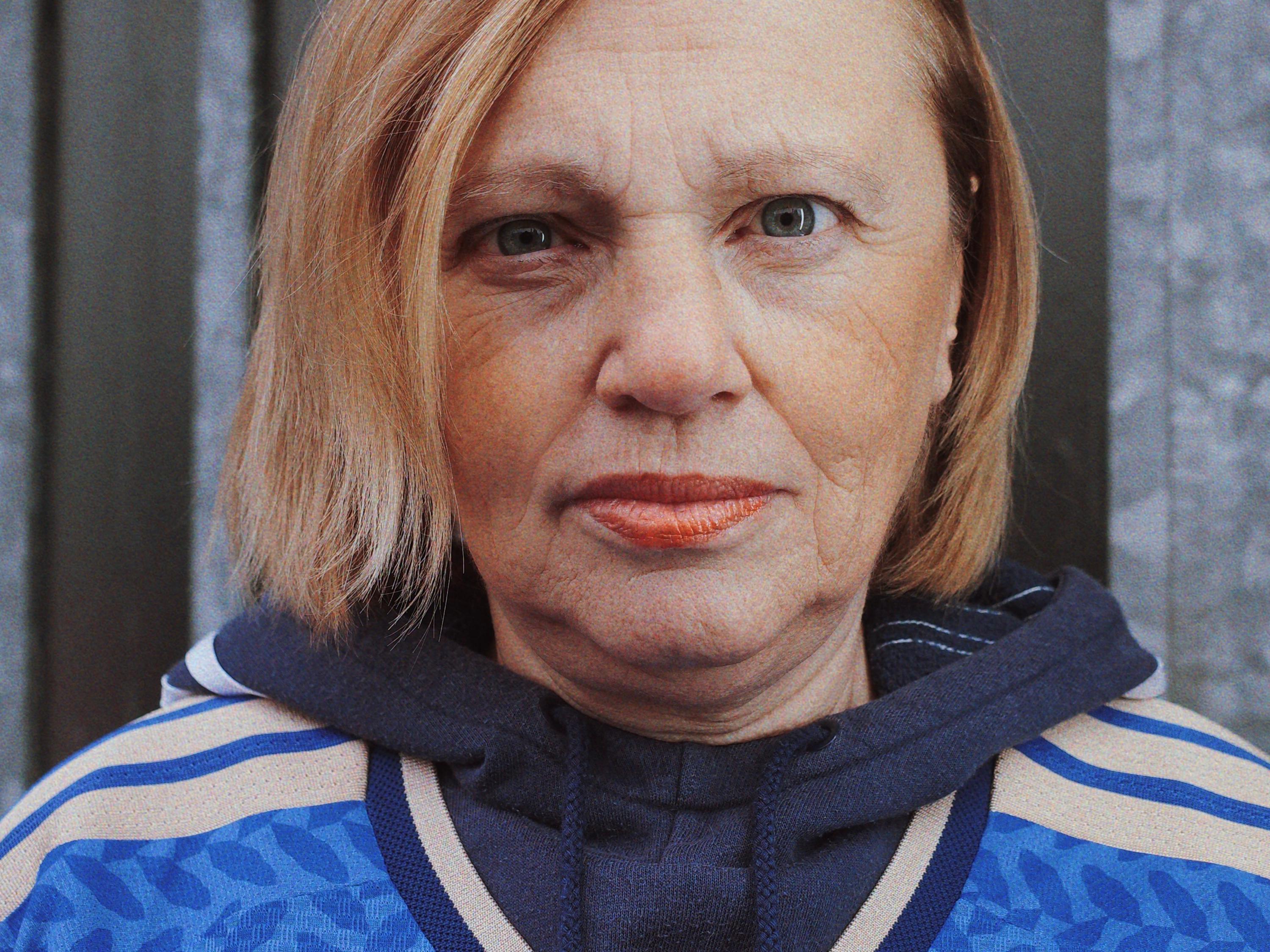
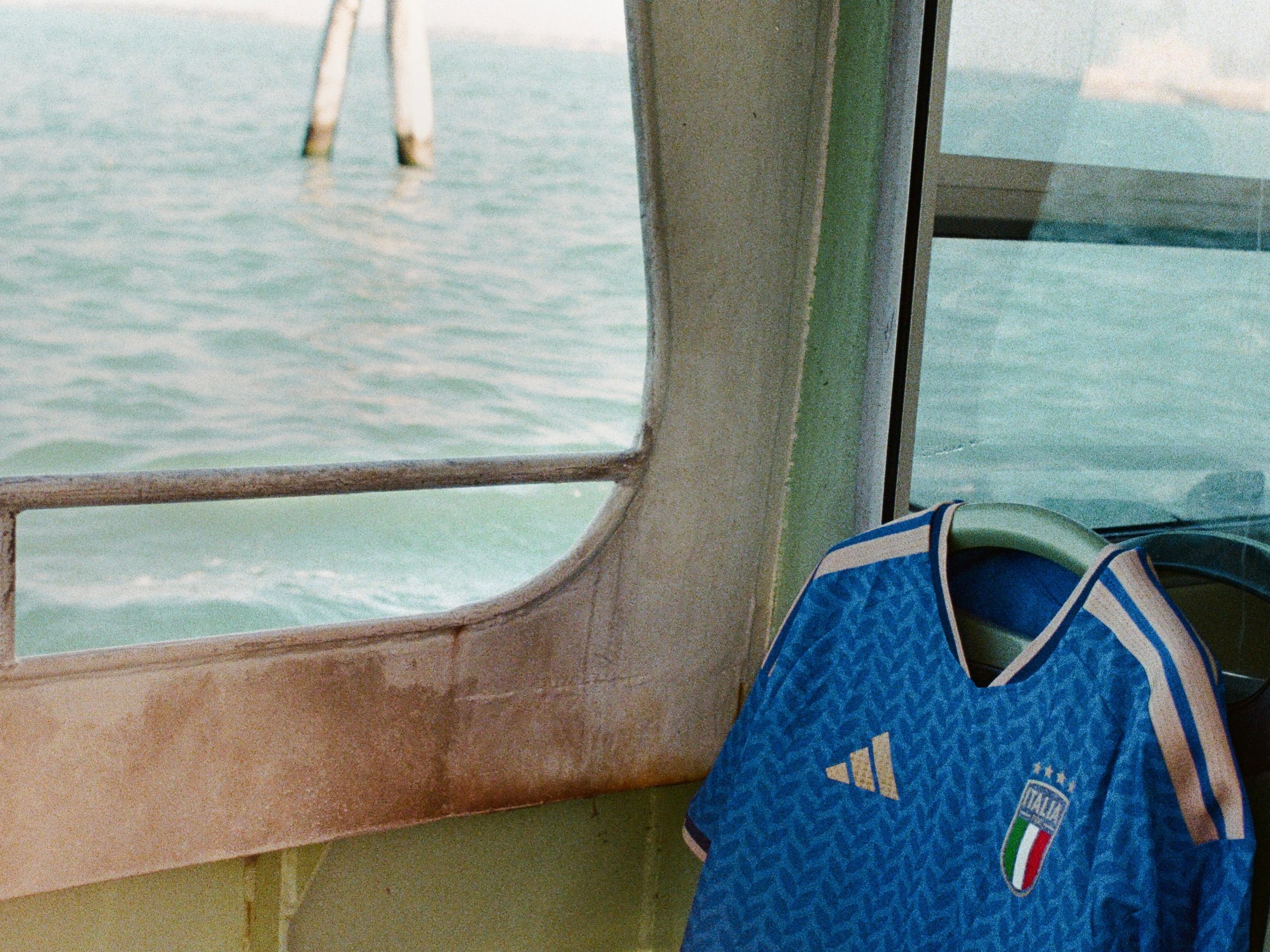
adidas and FIGC present the ‘Scatti d’Azzurro’ project, an Italian roadtrip. From the Alps to the islands, from major cities to small villages, six photographers capture the country and its football culture, united by the unique and unmistakable shade of blue that symbolises the national team.
This project was born from the shared desire of adidas and the FIGC to celebrate the deep bond between Italy and football, a passion that goes far beyond stadiums and big occasions to become part of the country’s very fabric. The Azzurri shirt is not just a sporting symbol, but a true cultural icon that brings generations and communities together across the country. Through ‘Scatti d’Azzurro,’ adidas and FIGC invited a group of talented Italian photographers to tell the story of football in the places they come from, exploring the sport’s most authentic dimension within their own communities: from Palermo to Turin, via Venice and Matera, and on to Ancona and Val Camonica. The result is a tribute to a country that lives and breathes football: a visual story of passion, identity and shared experiences. It captures a side of the game far from the spotlight. The football played on neighborhood pitches, in the streets, in spaces reinvented by imagination, and even on snowy fields or with makeshift goalposts.
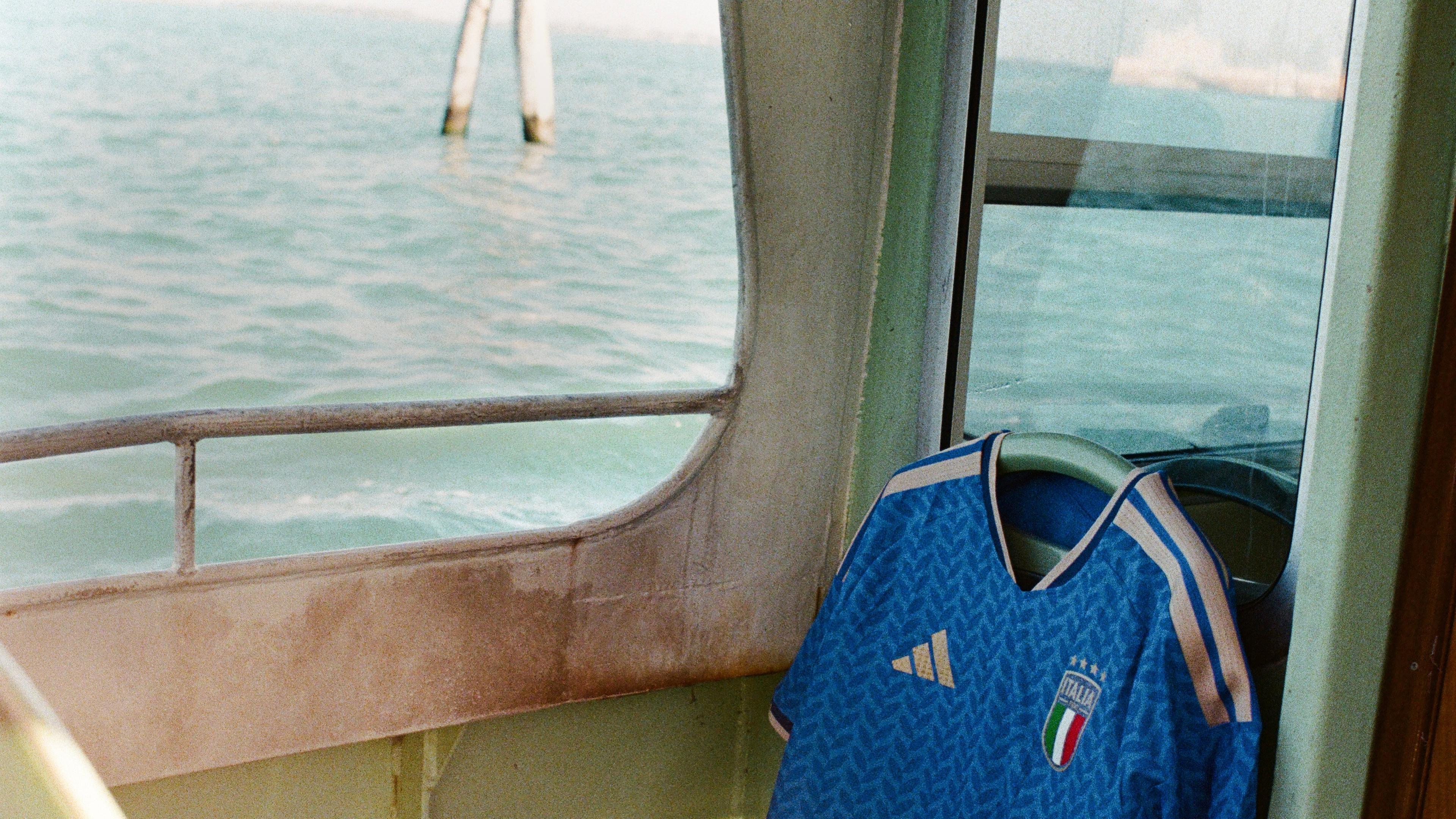
To bring this story to life, the six photographers captured the Azzurri shirt, rich with history and tradition, in the places that have shaped their journeys. Below is a selection of their images, accompanied by the words that best capture the essence of their work.
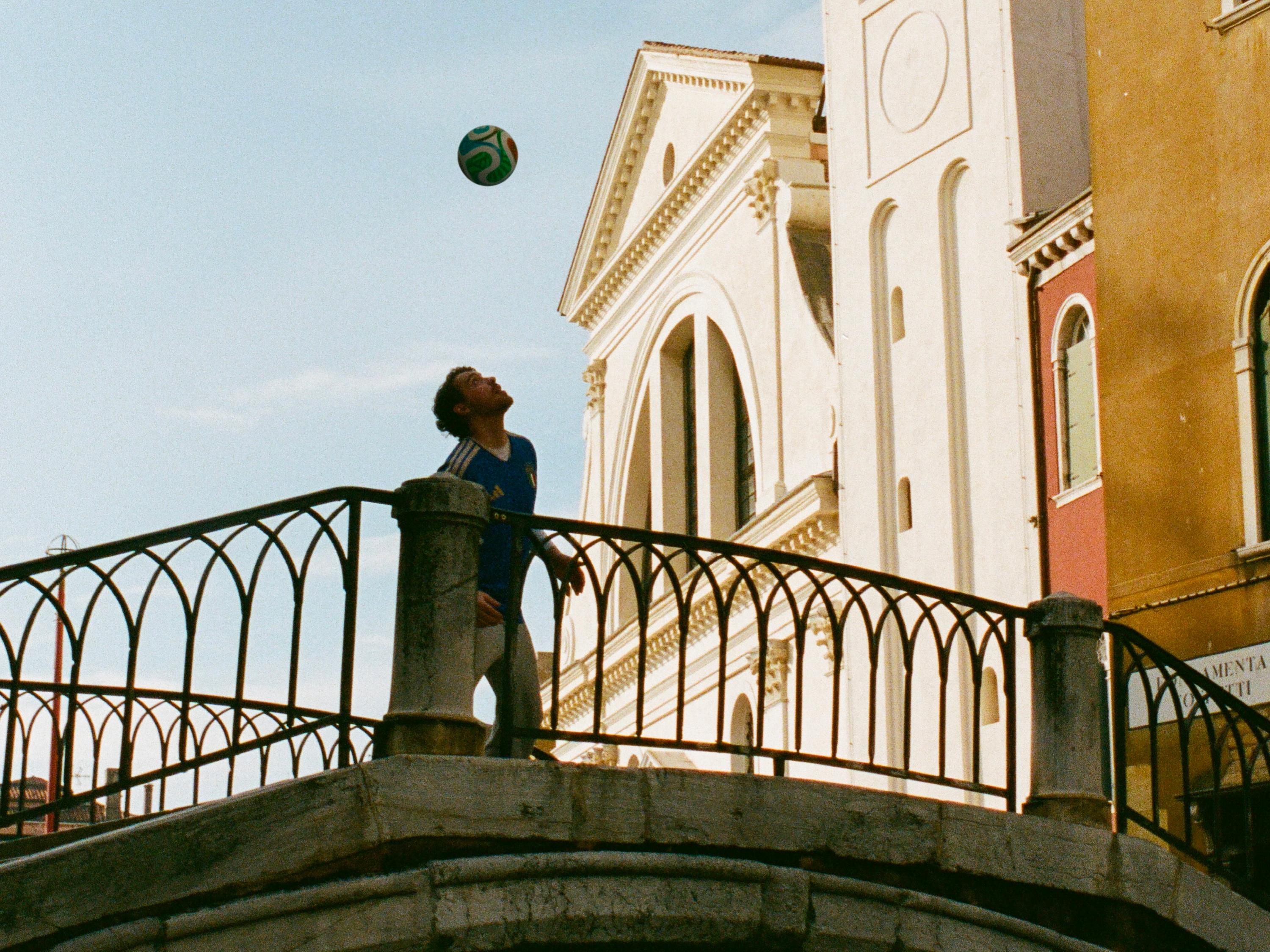
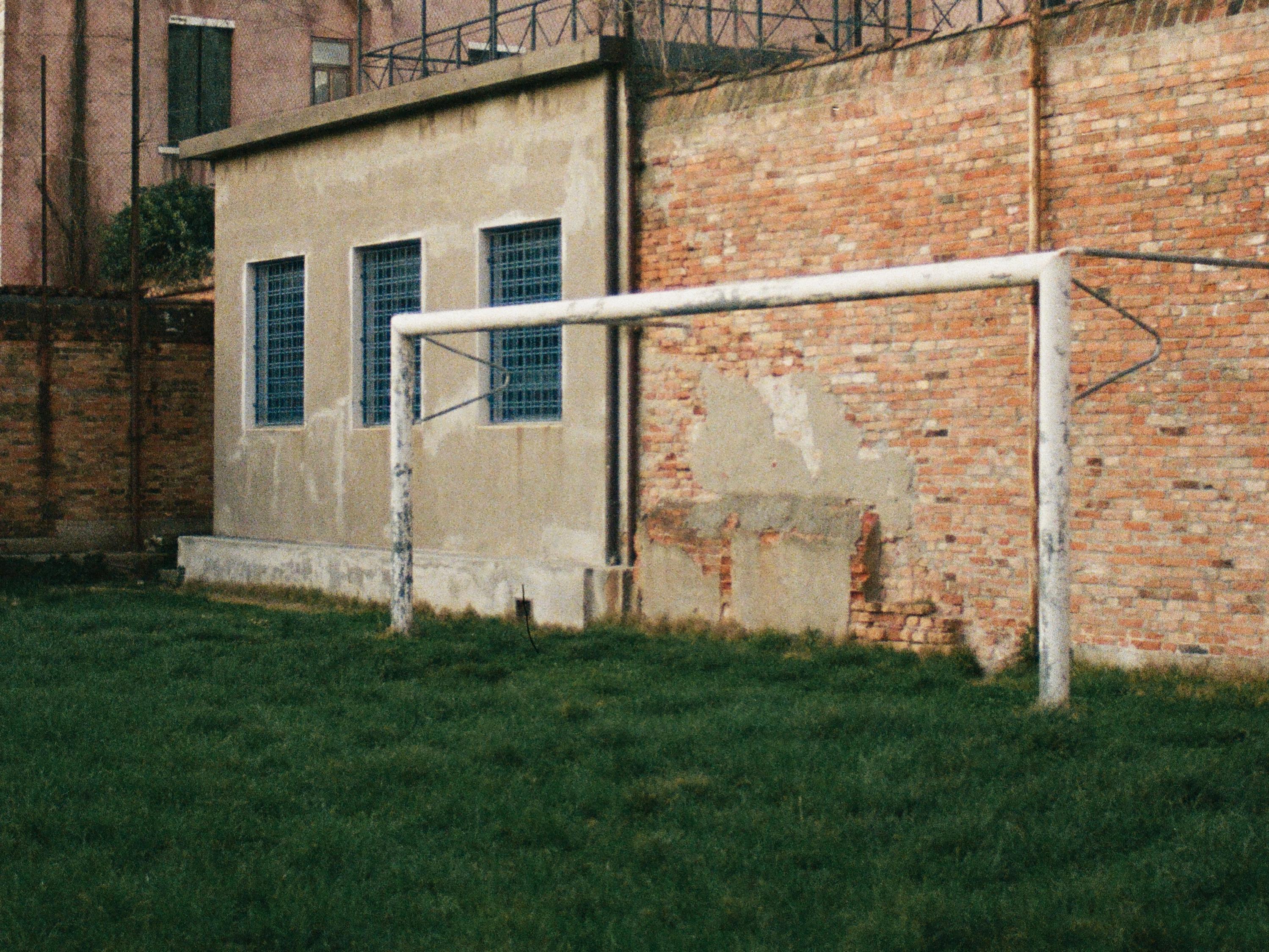
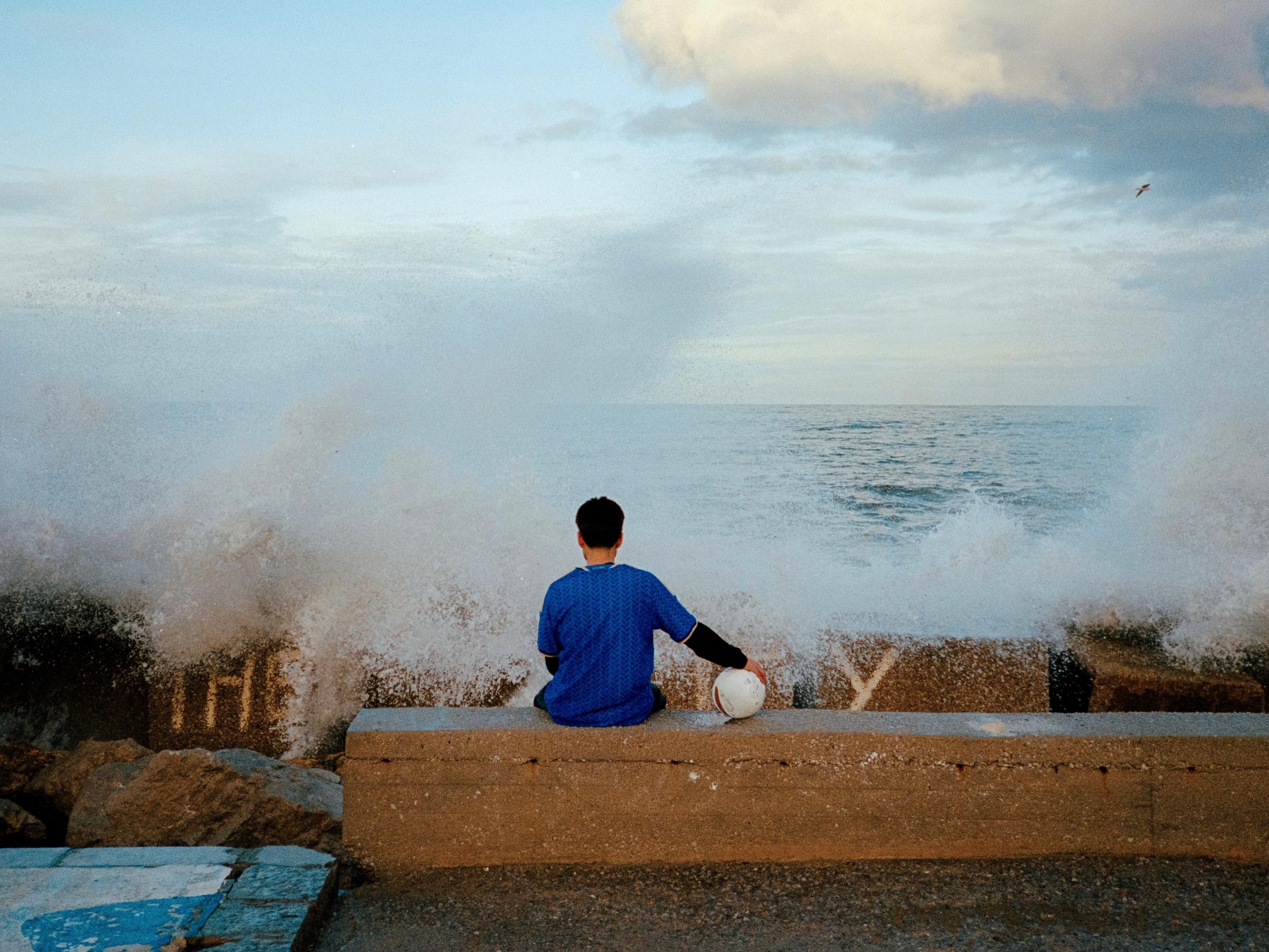
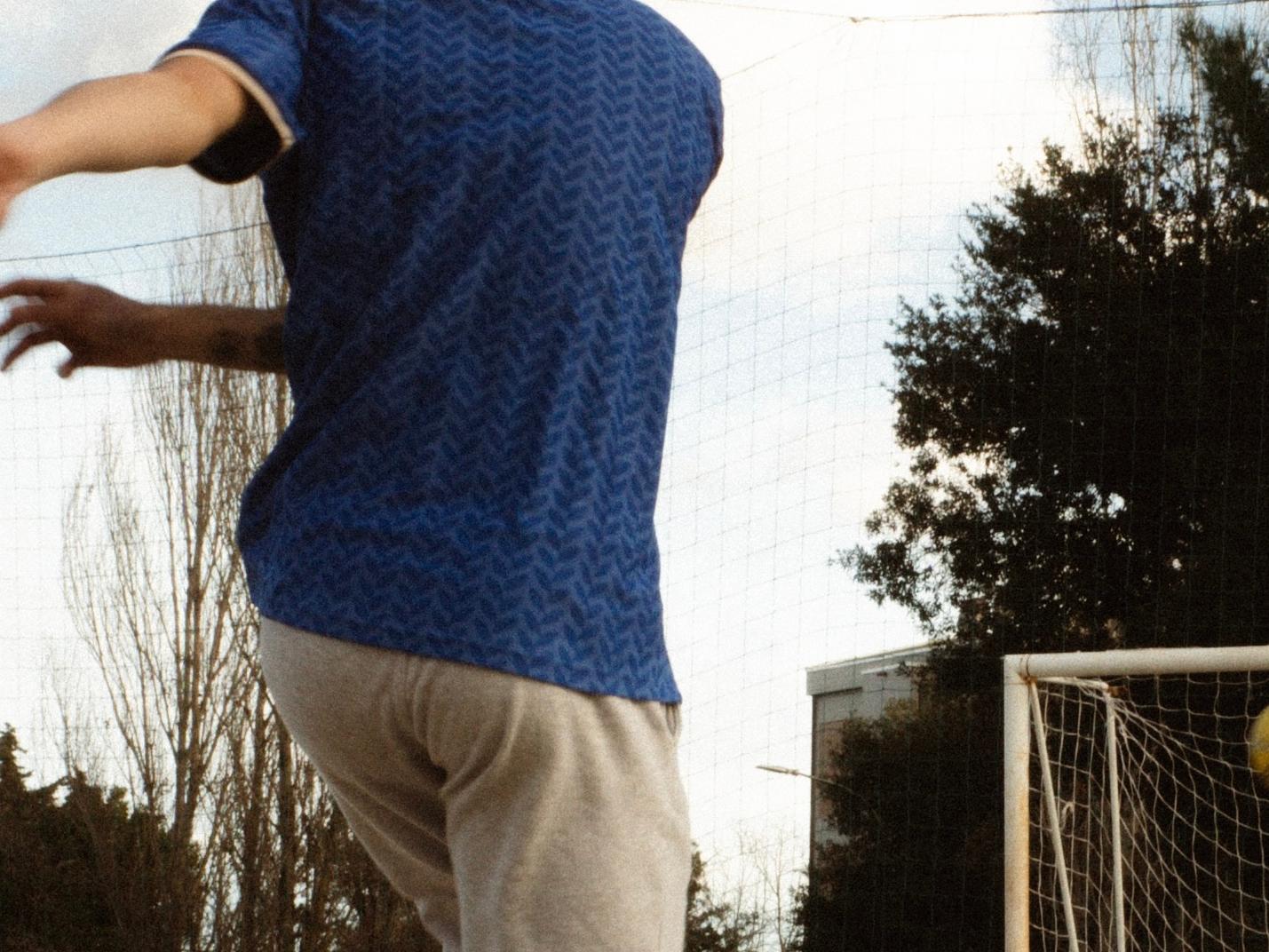
Cecilia Palmeri | Venice
“These photos were taken around the parish recreation centres of Venice and the few spaces where it’s still possible to play football the way it used to be. Only a small number of residents remain in Venice today, but they still manage to carve out a little space for themselves amid the constant flow of an increasingly crowded city. And so, after the school bell rings, the kids gather in the campielli, turning them for a few hours into improvised football pitches.”
Francesco Freddo | Matera
“The first thing I did was pick up my camera and go back in search of the places from my childhood: the squares, the worn-out pitches, those imperfect spaces where friendships were formed and hours were spent playing football. Places I’ve never forgotten. To my surprise, after all these years, I still found kids playing there. It’s not something you can take for granted today, at a time when people play in the streets less and less. And yet, in Matera, something of that spirit remains.

Paola Massarenti | Turin
“These photos were taken on the local pitches around Pavarolo, Chieri, and Riva near Chieri – where I first started playing. They capture generations united by a love for the Azzurri shirt: when you wear it, any pitch can feel like a stadium.
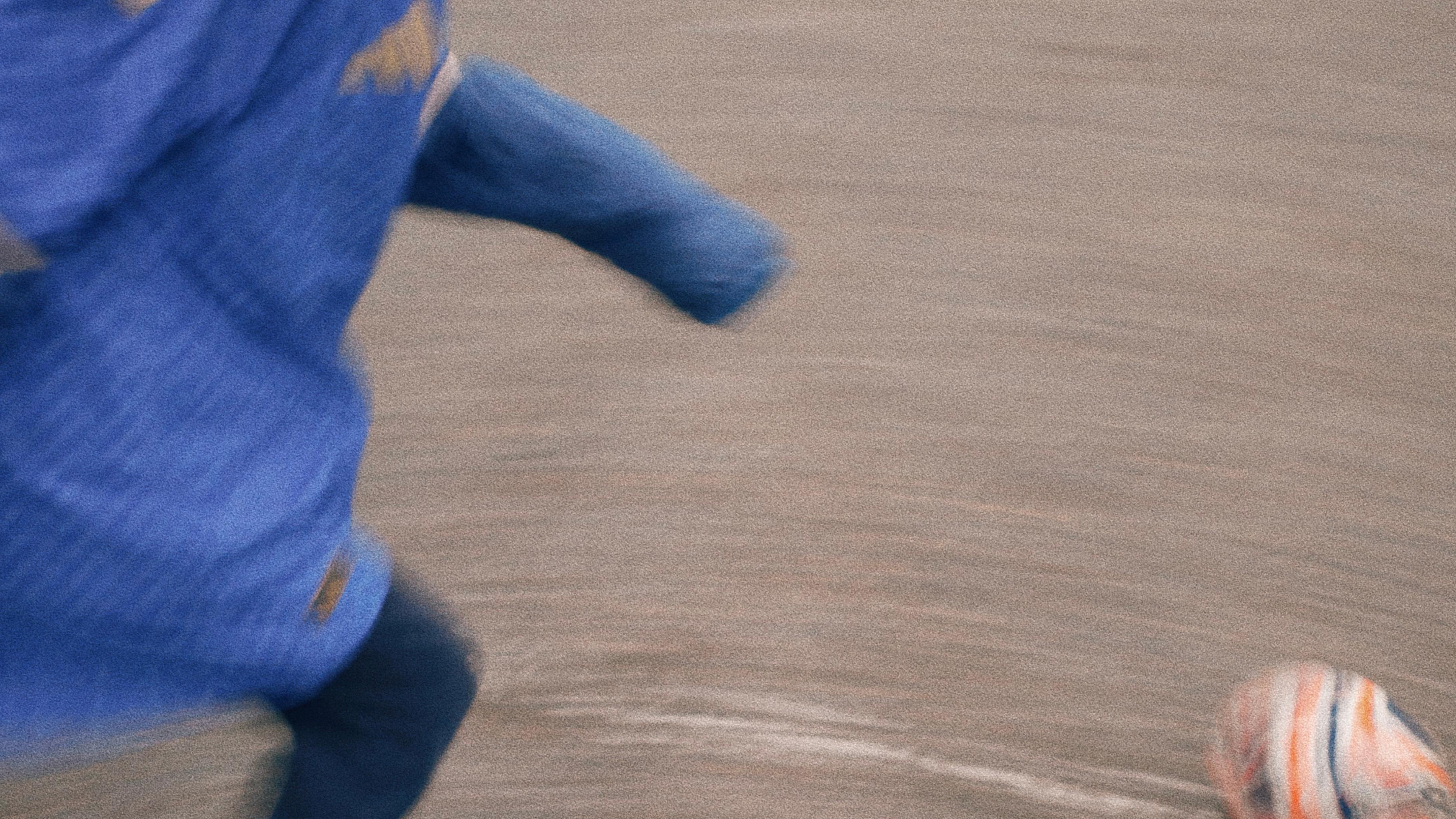
Alessandro Belussi | Brescia / Valle Camonica
“Like a vivid, dreamlike memory, I tried to capture my personal vision of football in these images. The game that starts before you even know who you are, grows with you, and is shaped by the places you’ve lived. Playing in squares and parish playgrounds with my middle school classmates, chasing the perfect goal, imagining yourself as Del Piero. All of this against the layered history of my region, from the Roman underground of Brescia to the peaks of Val Camonica.”
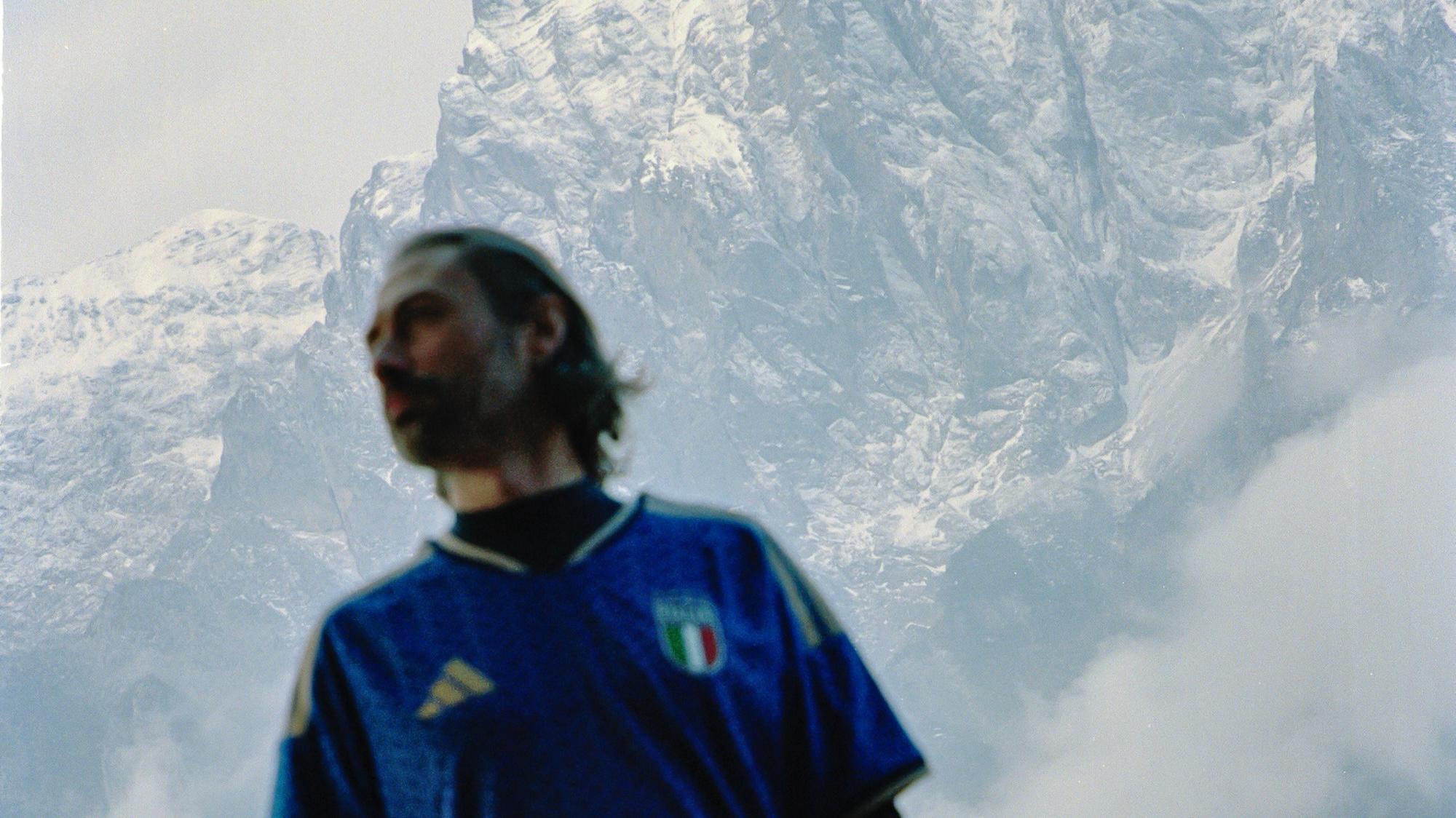
Giuseppe Scianna | Palermo
“This work comes from following football in Palermo where it still exists in its purest form: on the streets. The photos take us through makeshift pitches and iconic city locations, from the San Benedetto il Moro mural in the Ballarò district to the pitch in Zen 2, from the alleys of La Vucciria to the mural dedicated to Totò Schillaci.”

Lorenzo Bonanni | Jesi (Ancona)
“These photos were taken in Jesi, my hometown, where my passion for football was born and grew. In these shots, I wanted to convey the memories tied to this place, capturing some of my favorite spots. I remember my teenage years, the friendships formed, and the afternoons spent chasing a ball across every corner of the city, from the parks in front of middle schools to the gravel pitches with tattered nets.”